Pasta Primavera Recipe Fresh Veggie Pasta
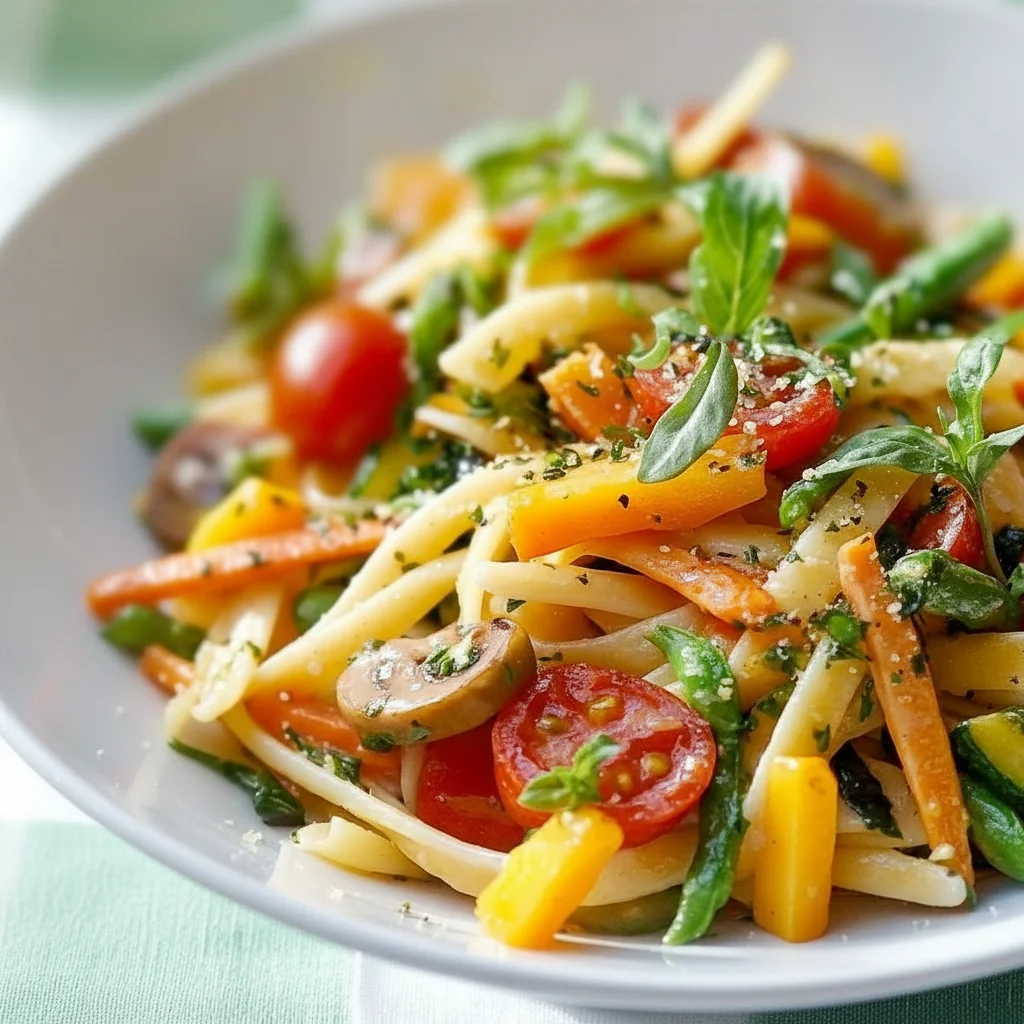
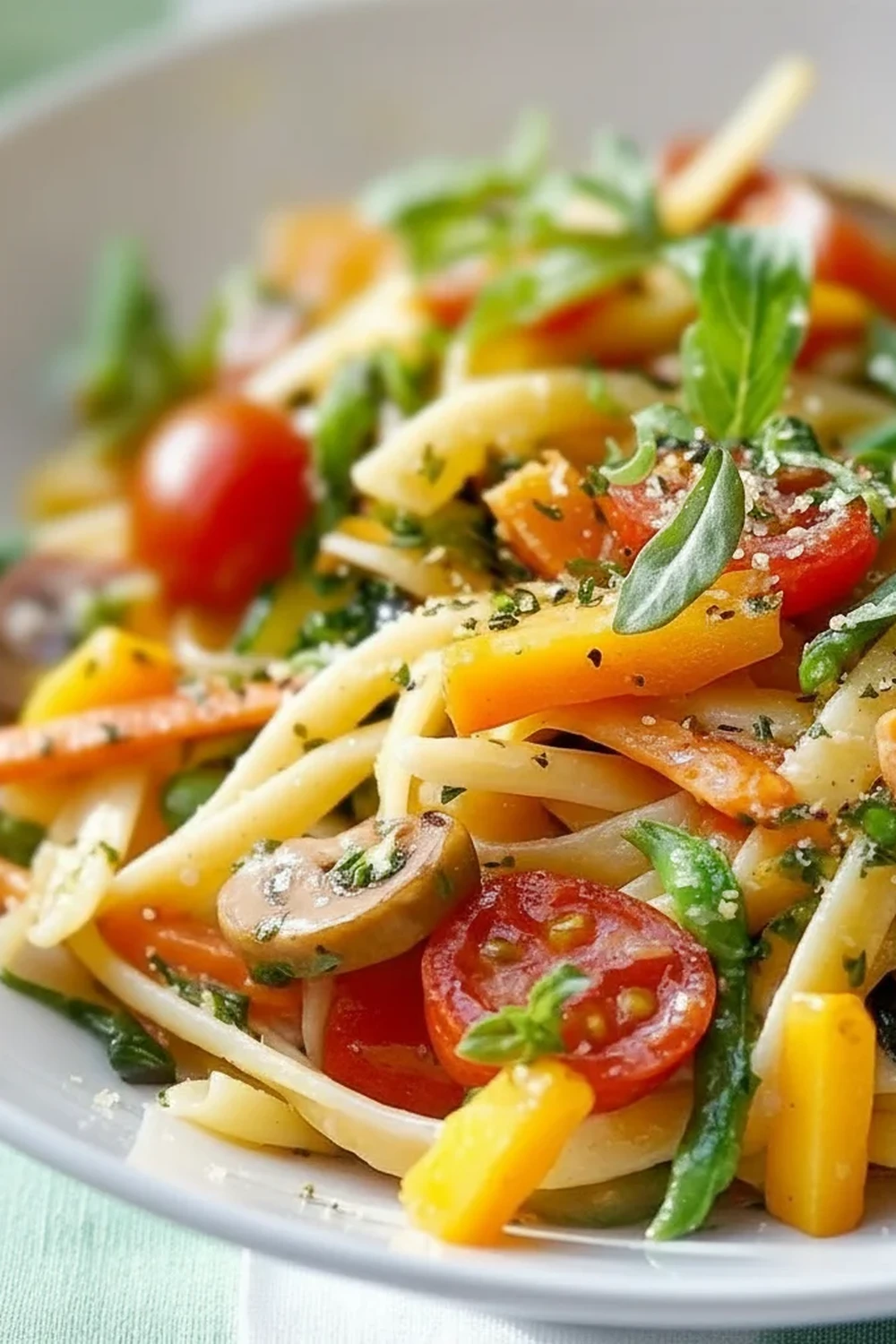
There’s a certain magic to the first truly warm day of the year, and for me, that feeling is perfectly captured in a bowl of Pasta Primavera. This isn’t just another veggie pasta; it’s a vibrant dish that showcases fresh, crisp vegetables in a light, creamy sauce that clings to every strand of pasta. The name itself, originating from the Italian word for “spring,” hints at what makes this dish so special. It’s all about celebrating the produce of the season, a tradition that, according to culinary history, gained popularity in New York in the 1970s.
This is my go-to recipe when I need something that feels a bit special but comes together in about 30 minutes. We’re not boiling the vegetables into submission here. The key is to cook each component with care so that the asparagus spears have a delightful snap, the peas pop in your mouth, and the cherry tomatoes burst with sweetness. The sauce is just rich enough to feel indulgent, with a bright, zesty finish from fresh lemon that cuts through the creaminess. It’s a wonderfully balanced meal that works beautifully for a midweek dinner or a relaxed weekend lunch.
This Pasta Primavera recipe is for anyone who appreciates the simple goodness of fresh ingredients. It’s a fantastic way to get more vegetables onto the table, and everyone in my family seems to love it, from the adults who appreciate the light sauce to the kids who enjoy picking out all the colourful bits. It’s a dish that truly tastes as good as it looks.
Recipe Overview
This recipe focuses on creating a primavera pasta where the vegetables remain the star. We achieve this by blanching the firmer vegetables separately before adding them to a simple, elegant cream sauce infused with garlic and lemon. The result is a dish where every ingredient shines. After a few attempts, I realised that adding a splash of the starchy pasta water at the end is the secret to a sauce that beautifully coats the pasta rather than pooling at the bottom of the bowl.
- Prep Time: 15 minutes
- Cook Time: 15 minutes
- Total Time: 30 minutes
- Servings: 4 people
- Difficulty: Easy
Why You’ll Love This Pasta Primavera Recipe
- Genuine Flavour: The sauce is a delicate blend of garlic, lemon, and Parmesan that complements, rather than masks, the fresh taste of the spring vegetables. Each bite offers a different combination of textures, from the tender pasta to the crisp asparagus.
- Ready in Under 30 Minutes: From chopping the first vegetable to garnishing the final dish, the whole process takes about half an hour, making it an excellent choice for a satisfying weeknight meal.
- A Truly Flexible Recipe: This dish is endlessly adaptable. Don’t have asparagus? Use broccoli florets. Not a fan of peas? Try broad beans. You can easily swap in whatever vegetables look best at the market.
- Great for a Light Dinner: It’s substantial enough to be a main course but doesn’t feel heavy, making it ideal when you want something nourishing and flavourful without feeling weighed down.
- Family Tested: This is a recipe that always gets compliments in my house. My youngest, who is usually wary of anything green, will happily eat the “little trees” (asparagus tips) in this dish. It’s a great way to introduce a variety of veggies.
Ingredients You’ll Need
For this primavera pasta, using fresh, good-quality ingredients makes all the difference. I always recommend buying a block of Parmesan cheese and grating it yourself. I find that brands like Parmigiano-Reggiano have a nutty, salty depth that you just don’t get from pre-shredded varieties, and they melt into the sauce much more smoothly.
- 350g dried linguine or fettuccine
- 1 tbsp olive oil
- 2 cloves garlic, finely minced
- 1 shallot, finely chopped
- 150g asparagus spears, woody ends snapped off, cut into 2-inch pieces
- 1 medium courgette, topped, tailed, and cut into half-moons
- 100g frozen peas (or fresh, if in season)
- 100g cherry tomatoes, halved
- 120ml vegetable stock
- 150ml double cream
- Zest and juice of 1 lemon
- 50g Parmesan cheese, freshly grated, plus extra for serving
- Small handful of fresh flat-leaf parsley, chopped
- Small handful of fresh basil leaves, torn
- Sea salt and freshly ground black pepper to taste
Marcus’s Tip: Don’t throw away the starchy water after you’ve cooked the pasta! It’s the key to a silky, well-emulsified sauce. I always scoop out a mugful just before draining.
How to Make This Pasta Primavera Recipe
The process for this veggie pasta is straightforward. The key is to have all your ingredients prepped and ready to go before you start, as things move quite quickly once you begin cooking.
- Cook the Pasta: Bring a large pot of heavily salted water to a rolling boil. Add the pasta and cook according to package directions until al dente. Just before draining, reserve about 250ml (a large mugful) of the starchy cooking water. Drain the pasta and set aside.
- Blanch the Vegetables: While the pasta is cooking, bring a smaller pan of water to a boil. Add the asparagus pieces and peas and blanch for just 1-2 minutes until bright green and tender-crisp. Drain immediately and run under cold water to stop the cooking process. This step ensures they retain their colour and bite.
- Sauté the Aromatics: In a large, deep frying pan or sauté pan, heat the olive oil over a medium heat. Add the chopped shallot and cook for 2-3 minutes until softened. Add the minced garlic and cook for another minute until fragrant, being careful not to let it burn.
- Cook the Softer Veggies: Add the courgette half-moons to the pan and cook for 4-5 minutes, stirring occasionally, until they are just tender and have a little colour. Season with a pinch of salt and pepper.
- Build the Sauce: Pour the vegetable stock into the pan, scraping up any flavourful bits from the bottom. Let it simmer and reduce by about half. Lower the heat and stir in the double cream, lemon zest, and lemon juice.
- Combine Everything: Add the cooked pasta, the blanched asparagus and peas, and the halved cherry tomatoes to the pan with the sauce. Toss everything together gently to combine. I find that using tongs works best for this part.
- Finish and Emulsify: Sprinkle in the grated Parmesan cheese and toss continuously until the cheese has melted and the sauce begins to thicken. I used to struggle with this dish until I discovered this technique: add a splash (about 60ml) of the reserved pasta water and keep tossing. The starch in the water will help the sauce cling beautifully to the pasta, creating a luscious, creamy consistency. Add more pasta water, a tablespoon at a time, if it seems too thick.
- Serve: Stir through the fresh parsley and torn basil leaves. Taste and adjust the seasoning with more salt and pepper if needed. Serve immediately in warm bowls, with extra grated Parmesan on top.
Tips From My Kitchen
- Gentle Heat for the Sauce: When you add the double cream, make sure the heat is low. Boiling cream can cause it to split or curdle, so a gentle simmer is all you need to bring the sauce together.
- The Blanching Secret: I learned that blanching is the most important step for a great Pasta Primavera. It’s a technique used by chefs to pre-cook vegetables perfectly. It guarantees that your firmer veggies, like asparagus, are cooked through but still have a satisfying crunch, preventing a mushy final result.
- Prep Ahead: To make this even faster on a weeknight, you can wash and chop all your vegetables in the morning or the day before. Store them in an airtight container in the fridge, and you’ll be ready to cook in minutes.
- Storing Leftovers: Leftovers can be stored in an airtight container in the refrigerator for up to 3 days. Reheat gently in a pan over a low heat, adding a splash of water or vegetable stock to loosen the sauce, as it will thicken upon chilling.
Common Mistakes to Avoid
- Overcooking the Vegetables: The goal is tender-crisp, not soft and mushy. Blanching helps control this, but also be mindful not to over-sauté the courgette. They should still have a slight bite.
- Burning the Garlic: Adding garlic to a pan that’s too hot is a recipe for bitterness. Always cook it over a medium-low heat for just a minute until it’s fragrant. If it starts to brown too quickly, your pan is too hot.
- Forgetting the Pasta Water: Draining all the pasta water down the sink is the most common pitfall. This starchy liquid is an essential ingredient for creating a cohesive, restaurant-quality sauce that coats every noodle.
Delicious Variations to Try
One of the best things about this recipe is how easily you can adapt it. It’s a great base for using up whatever you have in the fridge. For other family-friendly meal ideas, you might also enjoy our Creamy Chicken and Rice Recipe.
- Add a Little Heat: For a gentle warmth, add 1/2 teaspoon of red pepper flakes along with the garlic. It adds a lovely background heat that works well with the creamy sauce.
- Make it Vegan: This recipe is easily made plant-based. Use a good quality oat-based or soya-based double cream alternative and your favourite vegan Parmesan-style cheese.
- Add Some Protein: For a more substantial meal, add some pan-fried king prawns, grilled chicken breast strips, or flaked hot-smoked salmon right at the end when you’re tossing everything together.
What to Serve With This Pasta Primavera Recipe
This dish is a complete meal on its own, but a few simple accompaniments can round it out nicely for a larger dinner.
- Garlic Bread: A few slices of warm, crusty garlic bread are wonderful for mopping up any remaining sauce at the bottom of the bowl.
- A Simple Green Salad: A salad of rocket and mixed leaves with a sharp lemon vinaigrette provides a fresh, peppery contrast to the creamy pasta.
- Wine Pairing: A crisp, dry white wine like a Sauvignon Blanc or an Italian Pinot Grigio works beautifully, as its acidity cuts through the richness of the cream sauce.
Frequently Asked Questions
Pasta Primavera Recipe
Ingredients
Method
- Cook the Pasta: Bring a large pot of heavily salted water to a rolling boil. Add the pasta and cook according to package directions until al dente. Just before draining, reserve about 250ml (a large mugful) of the starchy cooking water. Drain the pasta and set aside.
- Blanch the Vegetables: While the pasta is cooking, bring a smaller pan of water to a boil. Add the asparagus pieces and peas and blanch for just 1-2 minutes until bright green and tender-crisp. Drain immediately and run under cold water to stop the cooking process. This step ensures they retain their colour and bite.
- Sauté the Aromatics: In a large, deep frying pan or sauté pan, heat the olive oil over a medium heat. Add the chopped shallot and cook for 2-3 minutes until softened. Add the minced garlic and cook for another minute until fragrant, being careful not to let it burn.
- Cook the Softer Veggies: Add the courgette half-moons to the pan and cook for 4-5 minutes, stirring occasionally, until they are just tender and have a little colour. Season with a pinch of salt and pepper.
- Build the Sauce: Pour the vegetable stock into the pan, scraping up any flavourful bits from the bottom. Let it simmer and reduce by about half. Lower the heat and stir in the double cream, lemon zest, and lemon juice.
- Combine Everything: Add the cooked pasta, the blanched asparagus and peas, and the halved cherry tomatoes to the pan with the sauce. Toss everything together gently to combine. I find that using tongs works best for this part.
- Finish and Emulsify: Sprinkle in the grated Parmesan cheese and toss continuously until the cheese has melted and the sauce begins to thicken. I used to struggle with this dish until I discovered this technique: add a splash (about 60ml) of the reserved pasta water and keep tossing. The starch in the water will help the sauce cling beautifully to the pasta, creating a luscious, creamy consistency. Add more pasta water, a tablespoon at a time, if it seems too thick.
- Serve: Stir through the fresh parsley and torn basil leaves. Taste and adjust the seasoning with more salt and pepper if needed. Serve immediately in warm bowls, with extra grated Parmesan on top.
Notes
I really hope this Pasta Primavera recipe brings a taste of spring to your kitchen table. It’s a dish I return to again and again for its fresh flavours and satisfying simplicity. If you’re looking for a dessert to follow this meal, our Lemon Crumb Bars would be a delightful, zesty finish. Let me know how you get on in the comments below – I’d love to hear if you tried any variations!