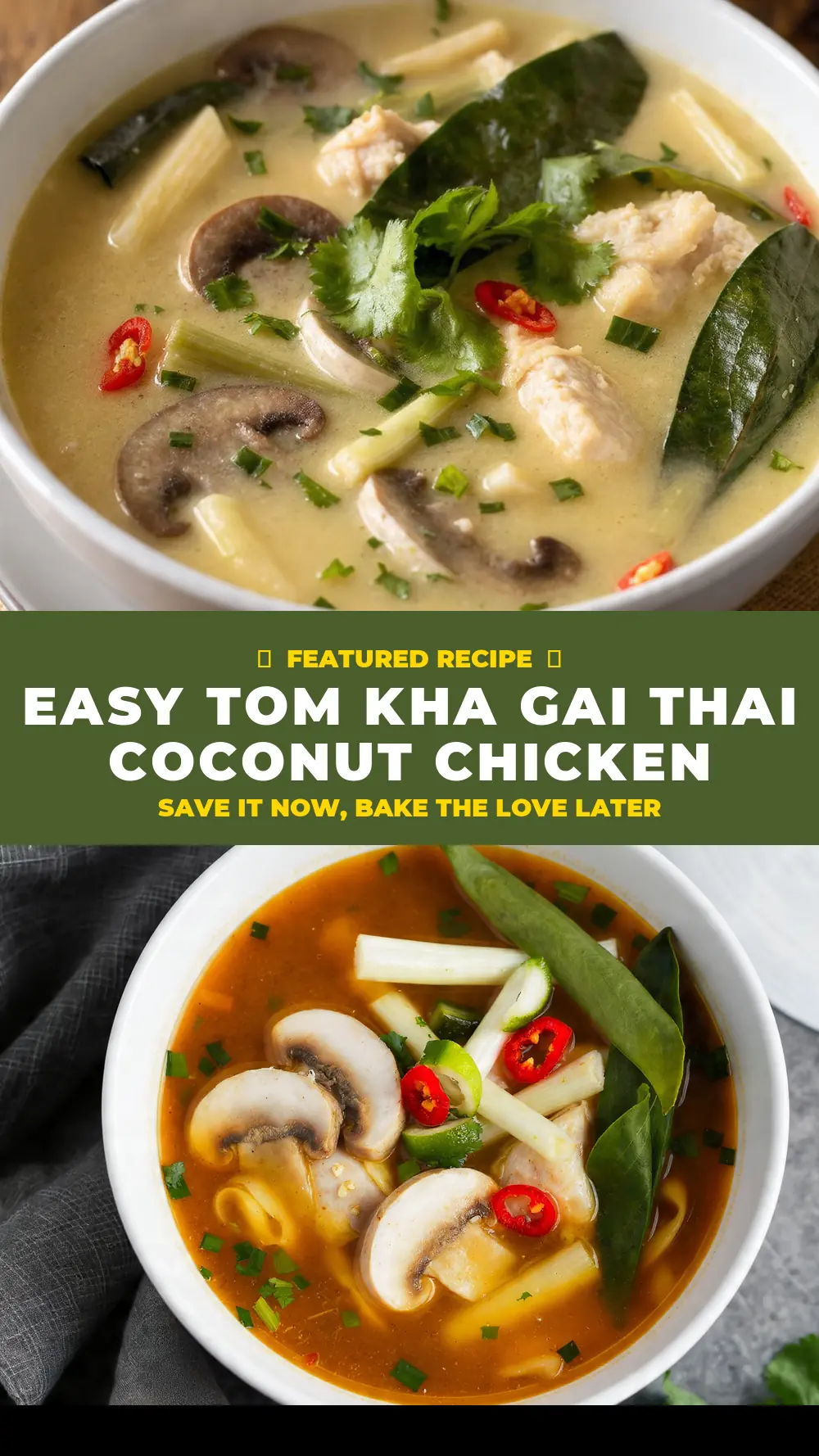
Easy Tom Kha Gai Thai Coconut Chicken Soup
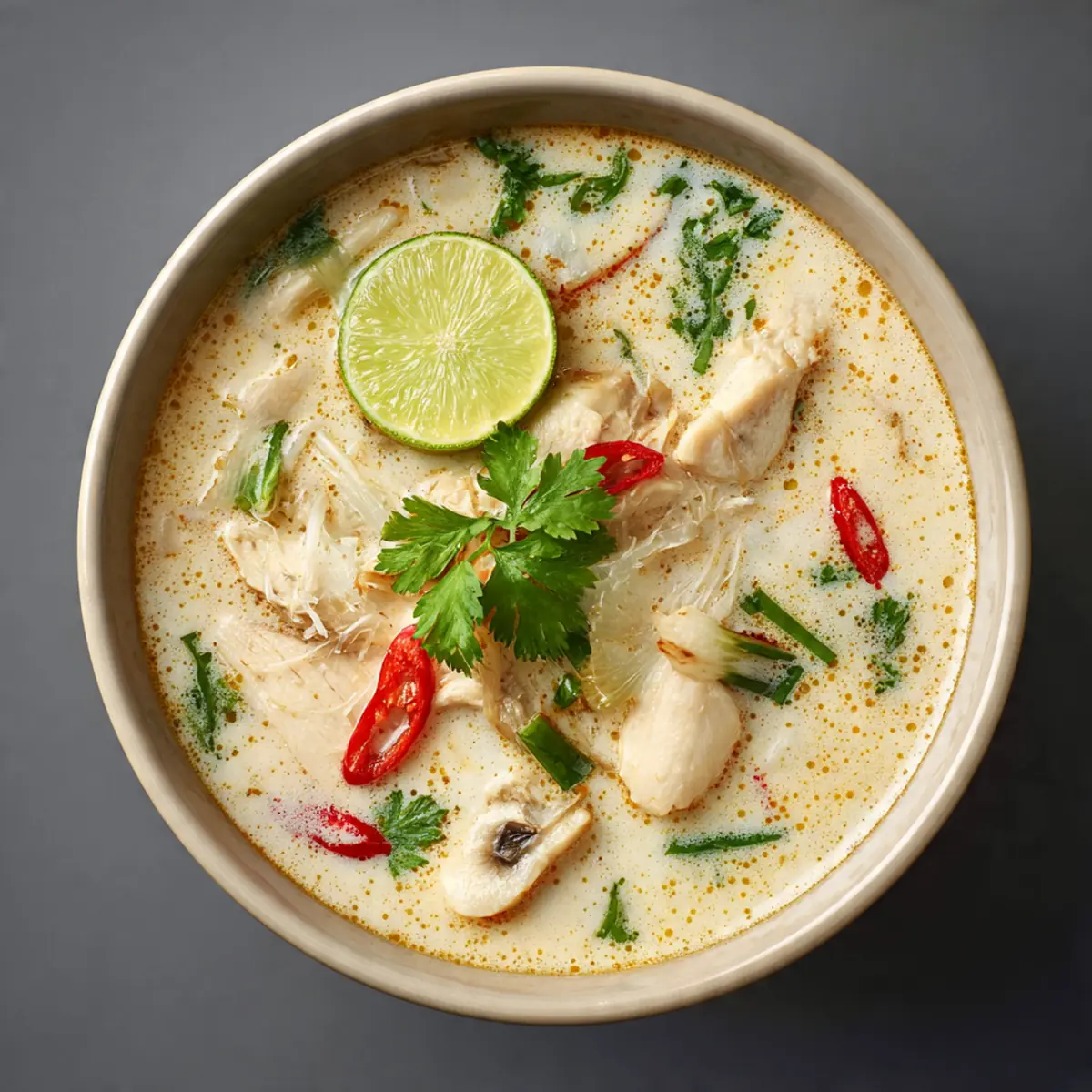
There are some meals that feel like a hug in a bowl, and this Easy Tom Kha Gai Thai Coconut Chicken Soup is precisely that. After testing this recipe five times, I finally got it just right, achieving that perfect balance of creamy, spicy, and sour that makes this Thai classic so beloved. Let’s get straight to it.
Recipe Overview
- Prep Time: 15 minutes
- Cook Time: 25 minutes
- Total Time: 40 minutes
- Servings: 4 generous portions
- Difficulty: Easy
Why You’ll Love This Easy Tom Kha Gai Thai Coconut Chicken Soup
- Authentic flavour, simplified technique: We achieve the signature aromatic depth of traditional Tom Kha Gai without needing a pantry full of obscure ingredients or hours of simmering.
- Naturally gluten-free and dairy-free: This soup relies on coconut milk for creaminess and fish sauce for saltiness, making it suitable for many dietary needs without sacrificing any richness.
- One-pot wonder: From the initial sizzle of the aromatics to the final ladleful, everything comes together in a single pot, meaning less washing up and more time enjoying your meal.
- Customisable heat level: You have total control over the spice. Love a gentle warmth? Use fewer bird’s eye chillies. Want a fiery kick? Add more. It’s entirely up to you.
- Ready in under an hour: Despite its complex, layered taste, this soup is surprisingly quick to prepare, making it an ideal choice for a weeknight dinner that feels truly special.
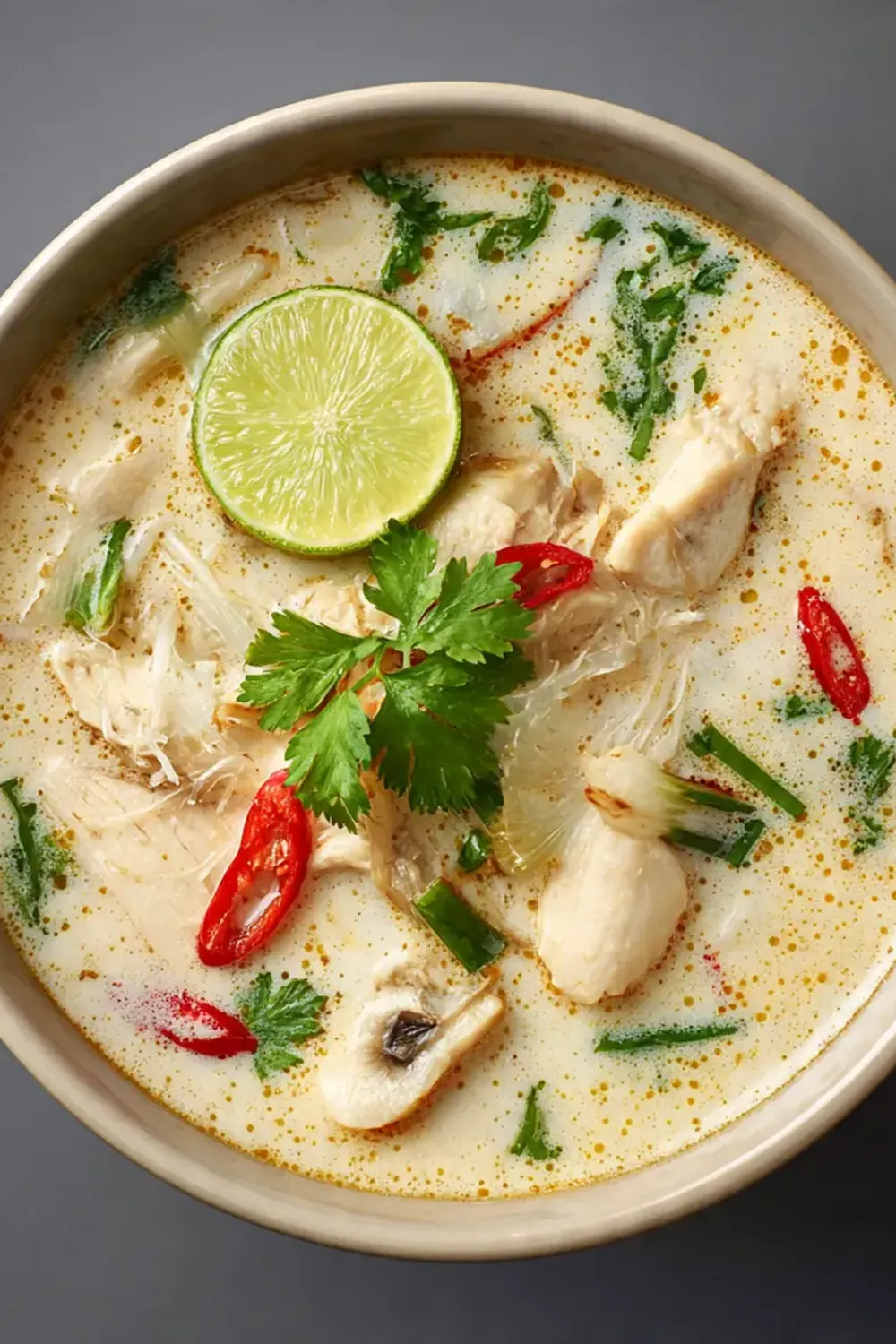
Ingredients You’ll Need
- 400ml can of full-fat coconut milk
- 500ml good-quality chicken stock
- 300g boneless, skinless chicken thighs, sliced into thin strips
- 200g chestnut mushrooms, sliced
- 3 stalks lemongrass, bruised and cut into 5cm lengths
- 5cm piece of galangal (or ginger, if unavailable), sliced into thin coins
- 4-6 kaffir lime leaves, torn slightly to release their oils
- 3 bird’s eye chillies, bruised (or 2 large red chillies for milder heat)
- 3 tablespoons fish sauce (use a good quality one)
- 3 tablespoons fresh lime juice (from about 2 limes)
- 1 tablespoon coconut sugar or soft brown sugar
- A small handful of fresh coriander, roughly chopped
- 2 spring onions, finely sliced on the diagonal
- Optional: 1 tablespoon of Thai red curry paste for extra depth
Tip: The quality of your coconut milk is paramount here. Do not use the light or reduced-fat versions—they lack the body and richness that make this soup so luxurious. A good, full-fat brand will separate slightly in the can, which is exactly what we want.
How to Make Easy Tom Kha Gai Thai Coconut Chicken Soup
- Prepare the aromatic base. In a large stockpot or Dutch oven over a medium heat, pour in the top, creamy layer of the coconut milk (about half the can). Let it heat gently until it starts to bubble and you can smell its sweet, nutty aroma. Add the bruised lemongrass, galangal slices, torn kaffir lime leaves, and chillies. Stir them through the bubbling coconut cream. The kitchen will immediately fill with a fragrant, citrusy scent. Cook for 2-3 minutes, stirring constantly, until the aromatics are soft and have released their oils into the cream.
- Build the broth. Pour in the remaining coconut milk and the chicken stock. Stir everything together, scraping the bottom of the pot to incorporate any flavourful bits. Bring the mixture to a gentle simmer, not a rolling boil. You will see small bubbles breaking the surface and the liquid will take on a pale, creamy hue. Let it simmer gently for 5 minutes to allow the flavours to meld.
- Cook the chicken and mushrooms. Add the sliced chicken thighs and mushrooms to the simmering broth. The chicken strips will look pale and raw at first, then gradually turn opaque and white as they cook. After about 5-7 minutes, the chicken should feel firm to the touch and the mushrooms will have softened and darkened slightly, releasing their earthy flavour into the soup.
- Season the soup. Turn off the heat. Stir in the fish sauce, fresh lime juice, and coconut sugar. Taste the broth. It should be a harmonious balance of salty from the fish sauce, sour from the lime, and a whisper of sweetness. Adjust these three elements to your preference. The colour of the broth will become slightly more golden and the aroma will shift from purely herby to a more rounded, savoury scent.
- Finish and serve. Fish out the large pieces of lemongrass, galangal, and kaffir lime leaves, as they are not meant to be eaten. Ladle the soup into warm bowls. Garnish generously with the fresh coriander and sliced spring onions. The bright green of the herbs against the creamy white soup is a beautiful sight. Serve immediately while steaming hot.
Tips From My Kitchen
- Bruise, don’t chop, the aromatics: You want to release the essential oils from the lemongrass, galangal, and chillies without turning them into a fine mince. Use the flat side of your knife to gently crush them. This allows for maximum flavour infusion while making them incredibly easy to remove from the finished soup. No one wants to bite into a woody chunk of lemongrass.
- Use chicken thighs, not breast: Chicken breasts can become dry and stringy when simmered in liquid. Thighs, with their higher fat content, stay beautifully tender and juicy even after cooking. They also contribute a richer flavour to the broth that is essential for a satisfying soup.
- Simmer, never boil: Once you add the coconut milk and stock, keep the heat low and steady. A vigorous boil can cause the coconut milk to split, resulting in a grainy, oily-looking soup rather than a silky, smooth one. A gentle simmer is your friend here for a luscious texture.
- Add the lime juice off the heat: This is a crucial step. Prolonged exposure to high heat will dull the bright, sharp acidity of the lime juice. Adding it just before serving ensures its zesty, fresh character shines through, providing that essential contrast to the rich coconut milk.
- Don’t skip the sugar: It might seem counterintuitive in a savoury, spicy soup, but a tiny amount of sugar is the secret to balancing the saltiness of the fish sauce and the acidity of the lime. It doesn’t make the soup sweet; it simply rounds out all the other flavours for a more complete taste.
- Make it a meal: For a more substantial dish, you can add 150g of cooked rice noodles or jasmine rice directly to the pot just before serving. This turns the soup into a hearty, all-in-one meal, perfect for a cold evening.
Equipment You’ll Need
- Large stockpot or Dutch oven
- Sharp knife and cutting board
- Measuring spoons
- Ladle
- Fine-mesh sieve (if you need to strain the broth to remove all aromatics)
Common Mistakes to Avoid
- Overcrowding the pan: This isn’t a stir-fry, but if you add too many mushrooms, they will steam rather than soften in the broth, and the temperature of the liquid will drop too quickly. Cook the chicken and mushrooms in the simmering broth, ensuring they are submerged but not crammed in. This ensures even cooking.
- Wrong temperature: As mentioned, a rapid boil is the enemy of a creamy coconut soup. The ideal temperature is a gentle simmer, where small bubbles lazily rise to the surface. If you see large, rolling bubbles, immediately reduce the heat.
- Skipping the rest time: Don’t rush to serve the moment you turn off the heat. Letting the soup sit for just one minute after adding the lime juice and fish sauce allows the flavours to marry together. This brief moment of patience makes a noticeable difference in the final depth of flavour.
What to Serve With Easy Tom Kha Gai Thai Coconut Chicken Soup
- Steamed jasmine rice, to soak up every last drop of the fragrant broth.
- Fresh, crunchy spring rolls with a peanut dipping sauce for a textural contrast.
- A simple green papaya salad or a cucumber salad with rice vinegar to complement the soup’s richness.
Frequently Asked Questions
Easy Tom Kha Gai Thai Coconut Chicken Soup
Ingredients
Method
-
Prepare the aromatic base. In a large stockpot or Dutch oven over a medium heat, pour in the top, creamy layer of the coconut milk (about half the can). Let it heat gently until it starts to bubble and you can smell its sweet, nutty aroma. Add the bruised lemongrass, galangal slices, torn kaffir lime leaves, and chillies. Stir them through the bubbling coconut cream. The kitchen will immediately fill with a fragrant, citrusy scent. Cook for 2-3 minutes, stirring constantly, until the aromatics are soft and have released their oils into the cream.
-
Build the broth. Pour in the remaining coconut milk and the chicken stock. Stir everything together, scraping the bottom of the pot to incorporate any flavourful bits. Bring the mixture to a gentle simmer, not a rolling boil. You will see small bubbles breaking the surface and the liquid will take on a pale, creamy hue. Let it simmer gently for 5 minutes to allow the flavours to meld.
-
Cook the chicken and mushrooms. Add the sliced chicken thighs and mushrooms to the simmering broth. The chicken strips will look pale and raw at first, then gradually turn opaque and white as they cook. After about 5-7 minutes, the chicken should feel firm to the touch and the mushrooms will have softened and darkened slightly, releasing their earthy flavour into the soup.
-
Season the soup. Turn off the heat. Stir in the fish sauce, fresh lime juice, and coconut sugar. Taste the broth. It should be a harmonious balance of salty from the fish sauce, sour from the lime, and a whisper of sweetness. Adjust these three elements to your preference. The colour of the broth will become slightly more golden and the aroma will shift from purely herby to a more rounded, savoury scent.
-
Finish and serve. Fish out the large pieces of lemongrass, galangal, and kaffir lime leaves, as they are not meant to be eaten. Ladle the soup into warm bowls. Garnish generously with the fresh coriander and sliced spring onions. The bright green of the herbs against the creamy white soup is a beautiful sight. Serve immediately while steaming hot.
Notes
I truly hope this recipe brings a little warmth and joy to your kitchen. I stumbled upon this combination of ingredients by accident one rainy Tuesday, and it’s been a firm favourite ever since. I’d love to hear how you get on with it, so please do leave a comment below and share your experience. If you enjoyed this, you might also like my Coconut Curry Chicken Recipe Flavorful Dinner or a classic Creamy Chicken And Rice Recipe One Pot Meal for another comforting bowl of goodness. Happy cooking!