Buttery German Potato Pancakes
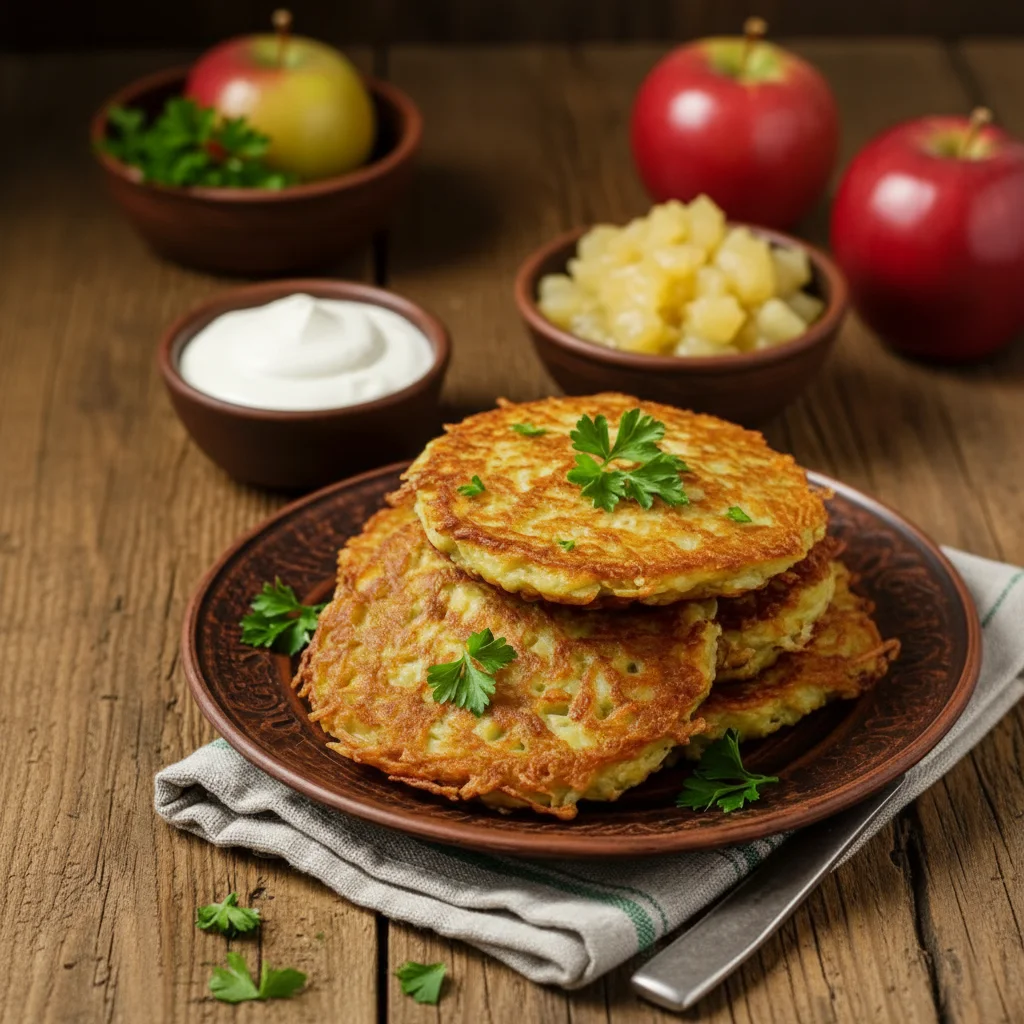
There’s a certain magic that happens when humble potatoes are transformed into something utterly magnificent. For me, that magic is most potent in the form of these Buttery German Potato Pancakes, known as Reibekuchen. It’s not just about frying potatoes; it’s about achieving that perfect contrast between shatteringly crisp, lacy edges and a soft, savoury, onion-flecked interior. The aroma alone—that of sizzling butter, sweet onion, and starchy potato—is enough to transport me straight to a bustling German Christmas market, even on a rainy Tuesday in my own kitchen.
This is my go-to recipe when I need something that feels special but comes together with minimal fuss. We’re not using any complicated techniques here, just good ingredients and a bit of care. What sets this potato recipe apart is the generous use of butter in the frying pan alongside the oil. It’s a small change that makes a world of difference, infusing the pancakes with a rich, nutty flavour that oil alone simply cannot replicate. The butter solids brown and toast, clinging to the potato shreds and creating an exceptionally delicious crust.
This dish works beautifully for a weekend brunch topped with a fried egg, a satisfying lunch with a dollop of soured cream, or even as a side dish for a hearty sausage supper. It’s a recipe that feels both rustic and refined, and everyone seems to get excited when they see them coming hot out of the pan. Let’s get grating.
Recipe Overview
This recipe guides you through creating authentic German potato pancakes with an extra buttery finish. The key is to remove as much moisture as possible from the grated potatoes, which ensures they fry up incredibly crisp rather than steaming in the pan. I found that using a combination of butter and a neutral oil gives the best flavour and prevents the butter from burning too quickly. Expect a deeply savoury pancake with a pronounced onion flavour and a texture that is simply delightful.
- Prep Time: 15 minutes
- Cook Time: 20 minutes
- Total Time: 35 minutes
- Servings: Makes about 12 pancakes (serves 4)
- Difficulty: Easy
Why You’ll Love This Buttery German Potato Pancakes Recipe
- Incredibly Crisp Texture: The combination of starchy potatoes, squeezing out excess water, and frying in a butter-oil mix results in wonderfully crisp edges and a tender middle. It’s a texture you can hear as well as taste.
- Ready in Under 40 Minutes: From grating the potatoes to serving them hot, the entire process is straightforward and takes very little time, making it ideal for a weeknight treat or a speedy weekend lunch.
- Wonderfully Versatile: These savoury pancakes are a brilliant base for all sorts of toppings. Go traditional with apple sauce and soured cream, or try smoked salmon and dill. They are delicious in any combination. For another satisfyingly crispy dish, you might enjoy these Smashed Burgers with Crispy Edges.
- Ideal for Any Occasion: Serve them as a star appetiser for a gathering, a key part of a brunch spread, or as a side dish with a main course like our Creamy Chicken and Rice One-Pot Meal.
- Family Tested and Approved: I make this recipe often, and my children absolutely devour them. They love the simple, savoury flavour, and it’s one of the few ways I can get them to eat a surprising amount of onion without complaint!
Ingredients You’ll Need
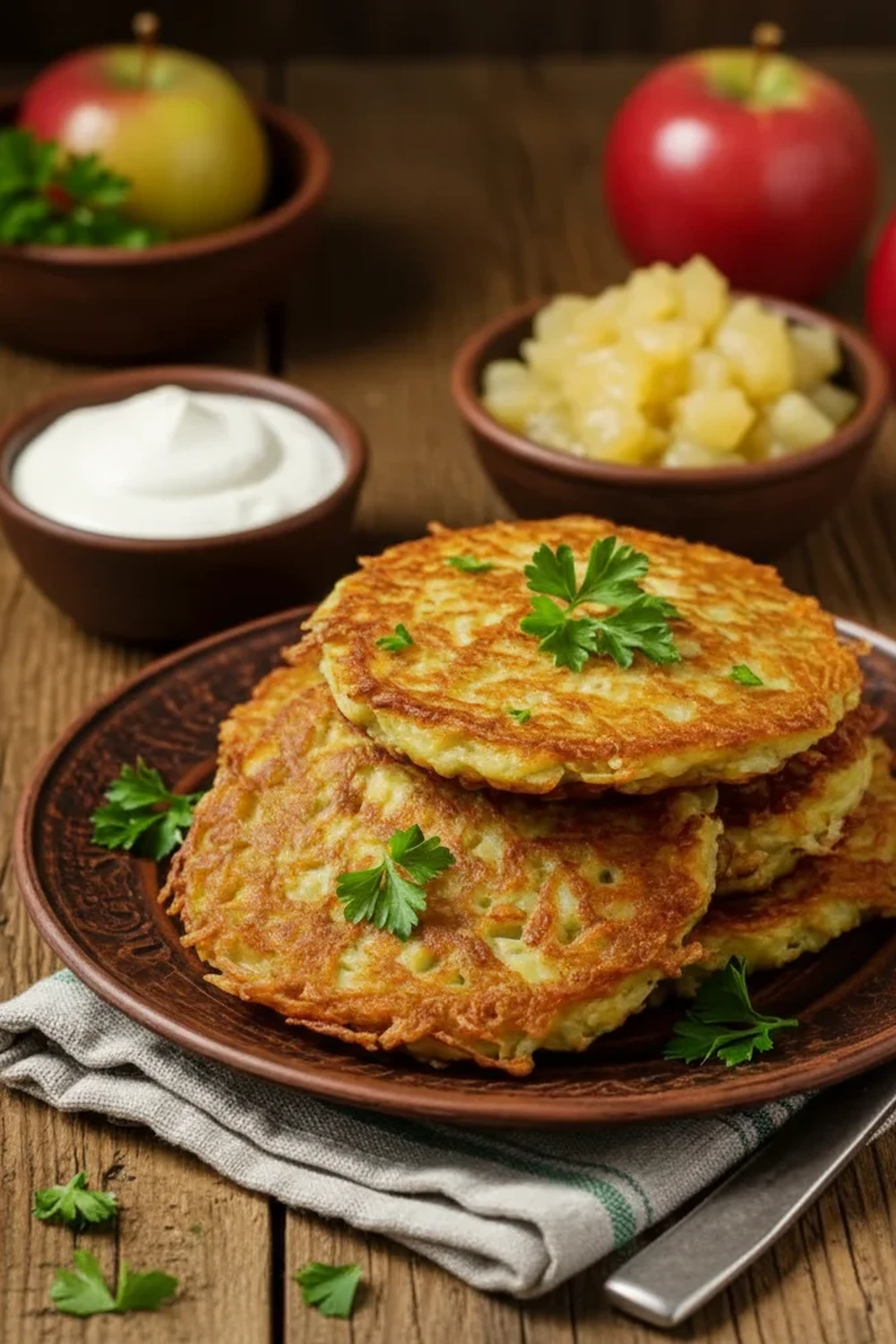
The beauty of this potato recipe lies in its simple, accessible ingredients. The most important choice you’ll make is the potato. I strongly recommend using a floury, starchy variety like Maris Piper or King Edward here in the UK. They break down just enough to create a creamy interior while their high starch content helps them crisp up beautifully. I always use a good quality salted butter, as it adds another layer of seasoning right from the start.
- 1 kg starchy potatoes (like Maris Piper), peeled
- 1 large white onion (about 200g), peeled
- 2 large free-range eggs, lightly beaten
- 50g plain flour
- 1 ½ tsp sea salt
- ½ tsp freshly ground black pepper
- ¼ tsp grated nutmeg (optional, but recommended)
- 50g unsalted butter
- 4 tbsp rapeseed oil (or another neutral oil with a high smoke point)
- For serving: soured cream or crème fraîche, apple sauce, and chopped fresh chives
Marcus’s Tip: Don’t be tempted to skip grating the onion! Dicing it will leave you with chunky, raw-tasting bits. Grating it on the same coarse setting as the potatoes allows it to melt into the pancake, distributing its sweet, savoury flavour perfectly.
How to Make Buttery German Potato Pancakes
The process is quite methodical but very rewarding. The most crucial step is squeezing the liquid from the grated potato and onion mixture. This single action is the difference between a crisp pancake and a soggy one. Work with confidence, and don’t be afraid of the sizzling pan!
- Grate the Potatoes and Onion: Using the coarse side of a box grater or a food processor with a grating attachment, grate the peeled potatoes and the onion into a large bowl.
- Squeeze Out the Liquid: This is the secret step! Tip the grated mixture into the centre of a clean tea towel or a few layers of cheesecloth. Gather the corners, twist tightly, and squeeze with all your might over the sink. You will be amazed at how much liquid comes out. The drier the mixture, the crispier your pancakes will be.
- Make the Batter: Transfer the dry potato and onion mixture to a clean, dry bowl. Add the beaten eggs, plain flour, salt, pepper, and grated nutmeg (if using). Mix everything together with a fork until just combined. Don’t overmix.
- Heat the Pan: Place a large, heavy-bottomed frying pan (cast iron or non-stick works well) over a medium-high heat. Add 1 tablespoon of oil and a knob of butter (about a quarter of the total). Let it heat up until the butter is foaming and sizzling.
- Fry the Pancakes: Take a large spoonful of the batter (about 2-3 tablespoons) and carefully place it into the hot pan. Use the back of the spoon to flatten it into a pancake about 10cm wide and 1cm thick. I find that I can fit 3-4 pancakes in my pan without overcrowding.
- Cook Until Golden: Fry for 4-5 minutes on the first side, undisturbed, until the underside is a deep golden brown and the edges are visibly crisp. Use a fish slice to carefully flip them over.
- Finish Cooking: Cook for another 3-4 minutes on the second side until equally golden and cooked through. The pancake should feel firm to the touch.
- Drain and Serve: Transfer the cooked pancakes to a wire rack set over a baking tray to drain any excess fat. This keeps them crisp. You can keep them warm in a low oven (around 100°C) while you cook the remaining batches. Add more oil and butter to the pan for each new batch. Serve immediately with soured cream, apple sauce, and a sprinkle of fresh chives.
Tips From My Kitchen
- Temperature Control is Key: The pan needs to be hot enough to create an instant sizzle, but not so hot that the butter burns before the potato is cooked. Medium-high is the sweet spot. If you notice the pancakes browning too quickly, turn the heat down slightly for the next batch.
- The Secret Squeeze: I can’t stress this enough. I learned that squeezing out every last drop of moisture is what creates that coveted crispy texture. That starchy liquid, if left in, will steam the potatoes from the inside out, leading to a softer, less satisfying result. For more on the science of crispy potatoes, Serious Eats has a great breakdown.
- Work Quickly: Once you’ve mixed the batter, don’t let it sit around for too long. The potatoes will start to oxidise and turn a greyish colour. It’s best to have your pan heating while you mix the final batter.
- Storage: These are definitely best eaten fresh from the pan. However, leftovers can be stored in an airtight container in the fridge for up to 2 days. Reheat them in a dry frying pan or in an oven at 180°C for 5-7 minutes until hot and crisp again.
Equipment You’ll Need
You don’t need a lot of fancy kit for this recipe, but a few key items make the job much easier.
- Box grater or Food Processor: A sturdy box grater is classic, but a food processor with a grating disc makes very short work of the potatoes and onion.
- Large Non-Stick or Cast Iron Frying Pan: You need a pan that distributes heat evenly and that the pancakes won’t stick to.
- Clean Tea Towel or Cheesecloth: Absolutely essential for squeezing the moisture from the potato mixture.
- Fish Slice or Spatula: A wide, thin spatula is best for flipping the delicate pancakes without breaking them.
Common Mistakes to Avoid
- Overcrowding the Pan: It’s tempting to squeeze in as many pancakes as possible, but this lowers the temperature of the oil and causes the pancakes to steam instead of fry. Give them space to sizzle and brown properly. Cook in batches for the best results.
- Not Squeezing Enough: A half-hearted squeeze will leave too much water in your mix. Be ruthless! The drier the shreds, the better the final texture. This is the number one reason for limp, greasy potato pancakes.
- Using the Wrong Potato: Waxy potatoes (like new potatoes) hold their shape too well and don’t have enough starch to bind and crisp up. Stick to floury varieties like Maris Piper, King Edward, or Russets for that classic fluffy-inside, crispy-outside texture.
Delicious Variations to Try
While the classic recipe is fantastic on its own, it’s also a wonderful canvas for other flavours. Here are a few variations we enjoy at home.
- Add Some Spice: For a gentle heat, add ½ teaspoon of smoked paprika or a pinch of cayenne pepper to the batter along with the salt and pepper.
- Herb-Flecked Pancakes: Finely chop a tablespoon of fresh parsley or dill and mix it into the batter for a fresh, herby note that works wonderfully with a smoked salmon topping.
- Add Other Veg: Swap out about 200g of the potato for grated carrot, parsnip, or even courgette (make sure to squeeze the courgette very well, as it holds a lot of water). This is a great way to add extra flavour and nutrients. For another vegetable-forward meal idea, check out these Healthy Stuffed Bell Peppers.
What to Serve With Buttery German Potato Pancakes
In Germany, these famous potato pancakes, or Reibekuchen, are most often served very simply. My serving suggestions stick to tradition but also offer a few other pairings that work beautifully.
- Apple Sauce (Apfelmus): The classic pairing. The sweetness of the apple sauce cuts through the richness of the fried potatoes perfectly. A chunky, homemade-style sauce is best.
- Soured Cream and Chives: A dollop of cool, tangy soured cream and a sprinkle of fresh, sharp chives provides a creamy contrast to the crisp pancake.
- Smoked Salmon and Dill: Elevate the pancakes for a brilliant brunch by topping them with a slice of smoked salmon, a small spoonful of crème fraîche, and a sprig of fresh dill.
- Drink Pairing: A crisp German Pilsner or a dry Riesling from the Alsace region are both fantastic choices that complement the savoury, fried character of the dish.
Frequently Asked Questions
Buttery German Potato Pancakes
Ingredients
Method
- Grate the Potatoes and Onion: Using the coarse side of a box grater or a food processor with a grating attachment, grate the peeled potatoes and the onion into a large bowl.
- Squeeze Out the Liquid: This is the secret step! Tip the grated mixture into the centre of a clean tea towel or a few layers of cheesecloth. Gather the corners, twist tightly, and squeeze with all your might over the sink. You will be amazed at how much liquid comes out. The drier the mixture, the crispier your pancakes will be.
- Make the Batter: Transfer the dry potato and onion mixture to a clean, dry bowl. Add the beaten eggs, plain flour, salt, pepper, and grated nutmeg (if using). Mix everything together with a fork until just combined. Don't overmix.
- Heat the Pan: Place a large, heavy-bottomed frying pan (cast iron or non-stick works well) over a medium-high heat. Add 1 tablespoon of oil and a knob of butter (about a quarter of the total). Let it heat up until the butter is foaming and sizzling.
- Fry the Pancakes: Take a large spoonful of the batter (about 2-3 tablespoons) and carefully place it into the hot pan. Use the back of the spoon to flatten it into a pancake about 10cm wide and 1cm thick. I find that I can fit 3-4 pancakes in my pan without overcrowding.
- Cook Until Golden: Fry for 4-5 minutes on the first side, undisturbed, until the underside is a deep golden brown and the edges are visibly crisp. Use a fish slice to carefully flip them over.
- Finish Cooking: Cook for another 3-4 minutes on the second side until equally golden and cooked through. The pancake should feel firm to the touch.
- Drain and Serve: Transfer the cooked pancakes to a wire rack set over a baking tray to drain any excess fat. This keeps them crisp. You can keep them warm in a low oven (around 100°C) while you cook the remaining batches. Add more oil and butter to the pan for each new batch. Serve immediately with soured cream, apple sauce, and a sprinkle of fresh chives.
Notes
I hope you give these buttery German potato pancakes a try in your own kitchen. They are such a simple pleasure and a wonderful way to celebrate the humble potato. The sizzle in the pan, the golden colour, and that first crispy bite are moments of pure cooking joy. If you make them, please do let me know how they turned out in the comments below. I love hearing about your experiences!