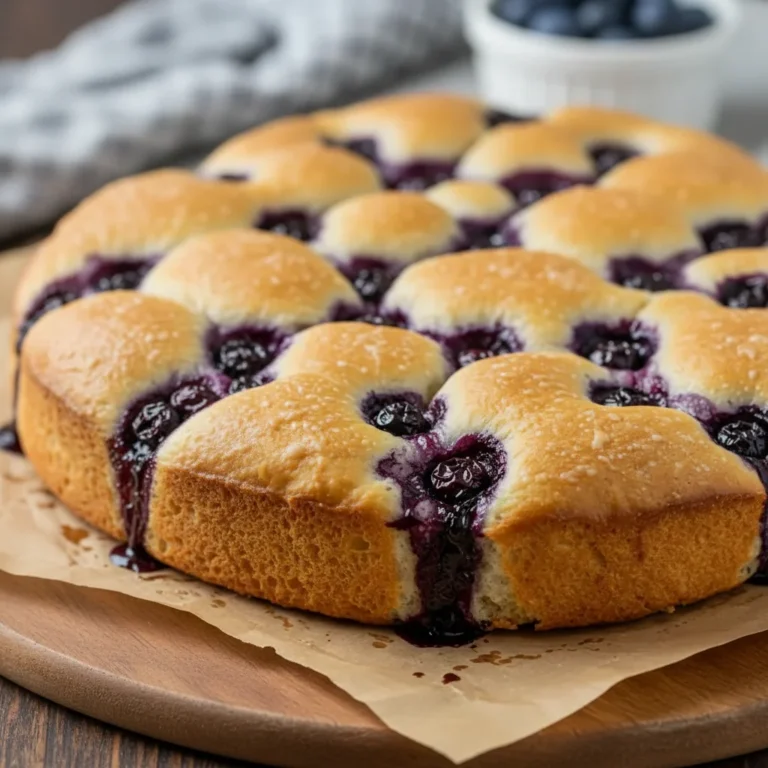
Soft Cottage Cheese Bread

There’s a unique kind of kitchen magic that happens when you bake your own bread. The aroma that fills the house, the warmth of the loaf, the satisfaction of that first slice – it’s a simple joy that never gets old. For years, I was devoted to my sourdough starter, but sometimes life calls for something a little more straightforward. That’s when I turn to this Cottage Cheese Bread. It’s a recipe that delivers a wonderfully soft, protein-rich loaf without any of the fuss of kneading or long proving times. The cottage cheese melts away into the dough, leaving behind an incredibly moist crumb and a subtle, savoury tang that is just delightful.
I’ve been making this for over 5 years now, and it’s become a staple for our weekend breakfasts and weekday sandwiches. The texture is what truly sets it apart; it’s tender and pillowy, with a delicate crust that turns a beautiful golden brown in the oven. It’s a fantastic example of healthy baking that doesn’t compromise on flavour or satisfaction. This homemade bread is ideal for anyone looking to add a little extra protein to their diet, or simply for those who appreciate a truly soft loaf for their lunchtime sandwiches. It’s a recipe we come back to time and again.
Recipe Overview
This Cottage Cheese Bread recipe produces a tender, moist loaf with a fine crumb and a mild, pleasant flavour. The protein from the cheese and eggs gives it a satisfying structure, making it a brilliant alternative to standard white bread. I’ve found that it toasts exceptionally well, getting crisp on the outside while remaining soft in the middle. It’s what we call a “quick bread,” meaning it uses baking powder for leavening instead of yeast, making the whole process much faster. You can find a great explanation of the science behind quick breads over at Serious Eats.
- Prep Time: 15 minutes
- Cook Time: 35 minutes
- Total Time: 50 minutes
- Servings: 1 loaf (about 12 slices)
- Difficulty: Easy
Why You’ll Love This Cottage Cheese Bread
- Subtle, Savoury Flavour: The cottage cheese provides a gentle tang and remarkable moistness, without an overpowering “cheesy” taste. It has a rich, buttery note from the melted butter and a wholesome character from the flour.
- Ready in Under an Hour: Because this is a no-knead, no-yeast recipe, you can go from mixing bowl to cooling rack in about 50 minutes. It’s brilliant when you realise you’re out of bread for tomorrow’s lunches.
- A Versatile Loaf: This recipe is a fantastic base. You can stir in chopped fresh herbs like chives or rosemary, add a handful of sunflower seeds for texture, or sprinkle the top with grated Parmesan before baking for a truly savoury finish.
- Great for Any Meal: It works beautifully for breakfast toast topped with avocado, as the base for a hearty sandwich, or served alongside a warming bowl of soup like our Creamy Chicken and Rice Recipe One Pot Meal.
- Family Tested: My children adore this bread for their school sandwiches. They say it’s much softer than most shop-bought loaves, and it always gets eaten without any complaints!

Ingredients You’ll Need
For this protein bread, the quality of your cottage cheese really matters. I recommend using a full-fat, small-curd cottage cheese for the best texture and moisture. I often use Longley Farm brand as its creaminess is second to none. Make sure your eggs are at room temperature to help them combine more easily with the other ingredients.
- 300g plain flour
- 2 teaspoons baking powder
- 1/2 teaspoon bicarbonate of soda
- 1/2 teaspoon salt
- 1/4 teaspoon black pepper, freshly ground
- 2 large free-range eggs, at room temperature
- 250g full-fat cottage cheese
- 120ml whole milk
- 60g unsalted butter, melted and cooled slightly
- 1 tablespoon caster sugar (optional, for balance)
- 1 tablespoon chopped fresh chives (optional)
Marcus’s Tip: Don’t be tempted to use low-fat cottage cheese. The fat content is crucial for creating that wonderfully soft and tender crumb. The full-fat version guarantees a moist, rich loaf every time.
How to Make Cottage Cheese Bread
The process for this homemade bread is wonderfully straightforward. We’re essentially using the muffin method: combine the dry ingredients, combine the wet ingredients, then gently mix them together. The key is not to overmix the batter, as this can lead to a tough loaf.
- Preheat and Prepare: First, preheat your oven to 180°C (160°C fan). Grease a 900g (2lb) loaf tin and line the bottom and sides with a strip of parchment paper, leaving an overhang to help you lift the bread out later.
- Combine Dry Ingredients: In a large mixing bowl, whisk together the 300g of plain flour, 2 tsp of baking powder, 1/2 tsp of bicarbonate of soda, 1/2 tsp of salt, and 1/4 tsp of black pepper. Whisking helps to aerate the flour and distribute the leavening agents evenly.
- Mix the Wet Ingredients: In a separate, medium-sized bowl, lightly beat the 2 large eggs. Add the 250g of cottage cheese, 120ml of milk, and 60g of cooled melted butter. If you’re using it, stir in the caster sugar now. Mix until everything is just combined. The mixture will be lumpy because of the cheese curds, which is exactly what we want.
- Gently Combine: Pour the wet ingredients into the bowl with the dry ingredients. Using a spatula, fold the mixture together until just combined. I find that about 10-12 folds is usually enough. Be careful not to overmix; a few small streaks of flour are perfectly fine. If using, fold in the chopped chives now.
- Transfer to Tin: Scrape the batter into your prepared loaf tin. It will be a thick, slightly lumpy batter rather than a smooth dough. Use your spatula to gently spread it evenly into the corners of the tin.
- Bake Until Golden: Place the loaf tin in the centre of the preheated oven and bake for 30-35 minutes. The bread is done when it’s risen, beautifully golden on top, and a wooden skewer or cake tester inserted into the centre comes out clean.
- Cool Completely: Let the bread cool in the tin for about 10 minutes before using the parchment paper ‘handles’ to lift it out. Transfer it to a wire rack to cool completely before slicing. This is an important step, as slicing while it’s still warm can make the crumb gummy.
Tips From My Kitchen
- Temperature is Key: Ensure your oven is fully preheated before the loaf goes in. An accurate oven temperature is vital for getting a good rise from the baking powder and bicarbonate of soda. An oven thermometer is a great investment for any home baker.
- The Resting Secret: I learned that letting the batter rest in the tin for 5-10 minutes on the counter before baking can yield a slightly more tender crumb. It gives the flour a moment to hydrate properly.
- Not Ideal for Make-Ahead: As this is a quick bread, the leavening agents are activated as soon as they meet the wet ingredients. For the best rise, it should be baked immediately after mixing.
- Proper Storage: This soft bread is best enjoyed within 2-3 days. Store it in an airtight container or a bread bag at room temperature. I avoid the fridge, as it can dry the bread out more quickly. It also freezes beautifully; simply slice the cooled loaf and freeze the slices in a freezer-safe bag for up to 3 months.
Equipment You’ll Need
- Large mixing bowl
- Medium mixing bowl
- Whisk
- Silicone spatula
- 900g (2lb) loaf tin
- Parchment paper
- Wire cooling rack
Delicious Variations to Try
This recipe is a wonderful canvas for your own creativity. Once you’ve mastered the basic loaf, feel free to experiment with these additions to make it your own.
- Spicy Red Pepper & Chilli: Add 1/2 teaspoon of dried chilli flakes and 2 tablespoons of finely chopped jarred roasted red peppers (patted dry) to the batter for a gentle, warming heat.
- Cheesy & Herbaceous: Fold in 50g of grated mature cheddar and 1 tablespoon of finely chopped fresh rosemary along with the chives. Sprinkle a little extra cheese on top before baking for a gloriously melty crust.
- Seeded Loaf: For extra texture and nutty flavour, mix in 2 tablespoons of sunflower seeds and 1 tablespoon of pumpkin seeds into the batter. Sprinkle a few more on top before it goes into the oven. This version makes fantastic toast.
What to Serve With Cottage Cheese Bread
This versatile loaf pairs well with so many dishes, from breakfast through to dinner. Here are a few of our family’s favourite ways to enjoy it.
- With a Hearty Soup: A thick slice is ideal for dipping into a creamy tomato and basil soup or a chunky vegetable stew. Its soft texture soaks up the broth beautifully.
- For Lunchtime Sandwiches: The bread’s structure is sturdy enough for fillings but remains wonderfully soft. It’s excellent with chicken salad, sliced ham and cheese, or a simple egg mayonnaise.
- As Morning Toast: Toasted and spread with butter is a simple delight. It’s also a great base for smashed avocado with a sprinkle of chilli flakes, or with your favourite jam. For another lovely baked breakfast idea, check out our Maple Pecan Sticky Buns.
Frequently Asked Questions
Cottage Cheese Bread
Ingredients
Method
- Preheat and Prepare: First, preheat your oven to 180°C (160°C fan). Grease a 900g (2lb) loaf tin and line the bottom and sides with a strip of parchment paper, leaving an overhang to help you lift the bread out later.
- Combine Dry Ingredients: In a large mixing bowl, whisk together the 300g of plain flour, 2 tsp of baking powder, 1/2 tsp of bicarbonate of soda, 1/2 tsp of salt, and 1/4 tsp of black pepper. Whisking helps to aerate the flour and distribute the leavening agents evenly.
- Mix the Wet Ingredients: In a separate, medium-sized bowl, lightly beat the 2 large eggs. Add the 250g of cottage cheese, 120ml of milk, and 60g of cooled melted butter. If you're using it, stir in the caster sugar now. Mix until everything is just combined. The mixture will be lumpy because of the cheese curds, which is exactly what we want.
- Gently Combine: Pour the wet ingredients into the bowl with the dry ingredients. Using a spatula, fold the mixture together until just combined. I find that about 10-12 folds is usually enough. Be careful not to overmix; a few small streaks of flour are perfectly fine. If using, fold in the chopped chives now.
- Transfer to Tin: Scrape the batter into your prepared loaf tin. It will be a thick, slightly lumpy batter rather than a smooth dough. Use your spatula to gently spread it evenly into the corners of the tin.
- Bake Until Golden: Place the loaf tin in the centre of the preheated oven and bake for 30-35 minutes. The bread is done when it's risen, beautifully golden on top, and a wooden skewer or cake tester inserted into the centre comes out clean.
- Cool Completely: Let the bread cool in the tin for about 10 minutes before using the parchment paper 'handles' to lift it out. Transfer it to a wire rack to cool completely before slicing. This is an important step, as slicing while it's still warm can make the crumb gummy.
Notes
I hope you give this Cottage Cheese Bread a try. It’s a reliable, satisfying bake that proves healthy baking can be absolutely delicious. It’s a recipe that has brought a lot of simple joy to our kitchen, and I’m sure it will do the same in yours. If you make it, please do leave a comment below and let me know how you got on. Happy baking!
– Marcus