Classic Braised Beef Short Ribs
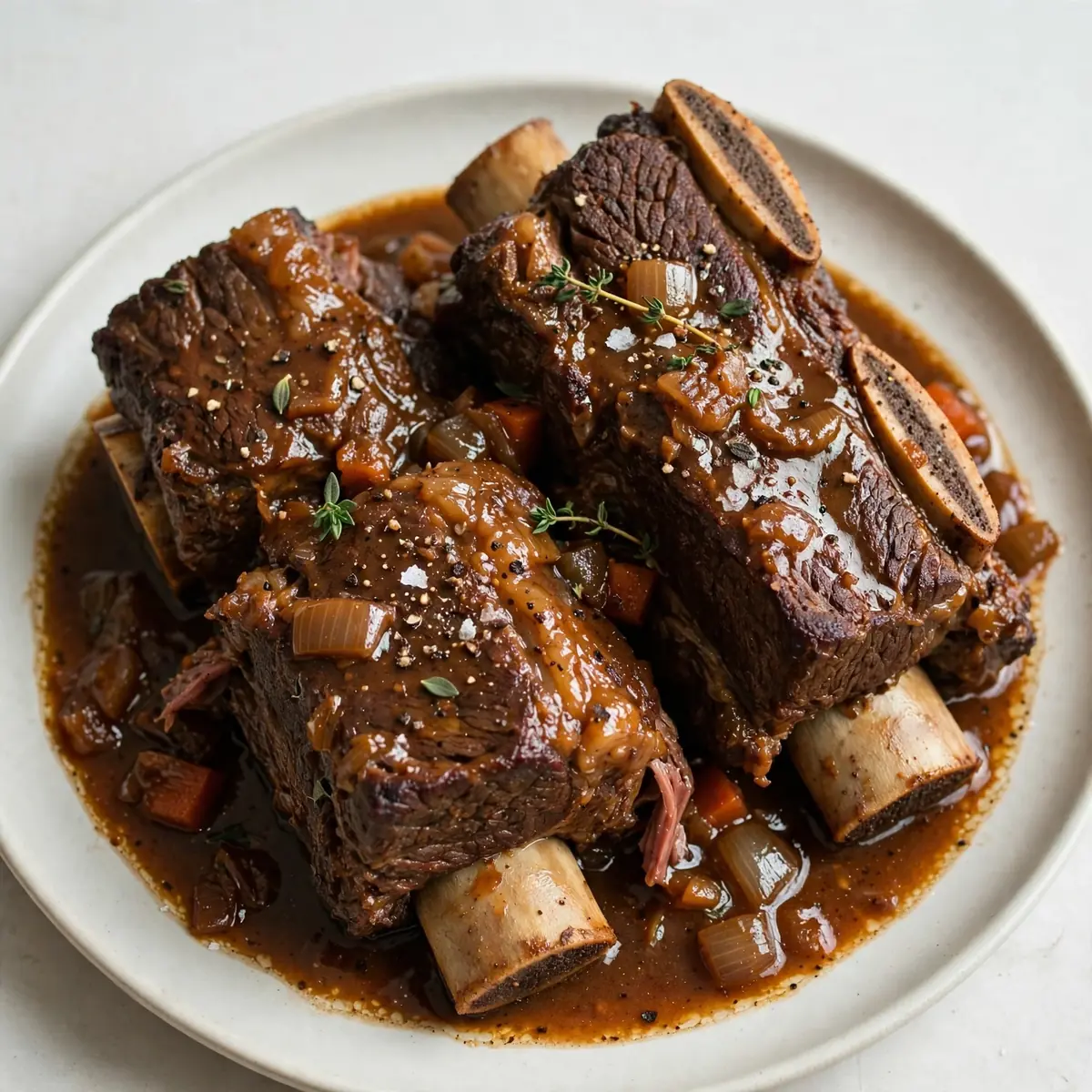
We all crave that deep, savoury, fall-apart richness of Classic Braised Beef Short Ribs, but most of us assume it’s a weekend-only project. I’m here to tell you that with a few clever shortcuts, this luxurious dish can be a reality on a hectic Tuesday, leaving you with tender meat, a silky sauce, and barely any washing up.
Recipe Overview
- Prep time: 15 minutes
- Cook time: 1 hour 45 minutes
- Total time: 2 hours
- Servings: 4
- Difficulty: Easy
Why You’ll Love This Classic Braised Beef Short Ribs
- Weeknight friendly: This version uses a pressure cooker or a heavy-bottomed pot with a lid, cutting the traditional cooking time by more than half.
- Minimal cleanup: Everything — from searing to simmering — happens in one pot. No extra pans for deglazing or reducing the sauce.
- Make-ahead magic: These ribs taste even better the next day. You can prepare them entirely in advance and simply reheat when you walk through the door.
- Deep flavour, less effort: By using a concentrated stock and a touch of vinegar, we build that complex, caramelised taste without hours of slow cooking.
- Family approved: I make this at least once a week – it’s become a family favourite. The kids fight over the tender meat, and my partner loves the rich gravy over mash.
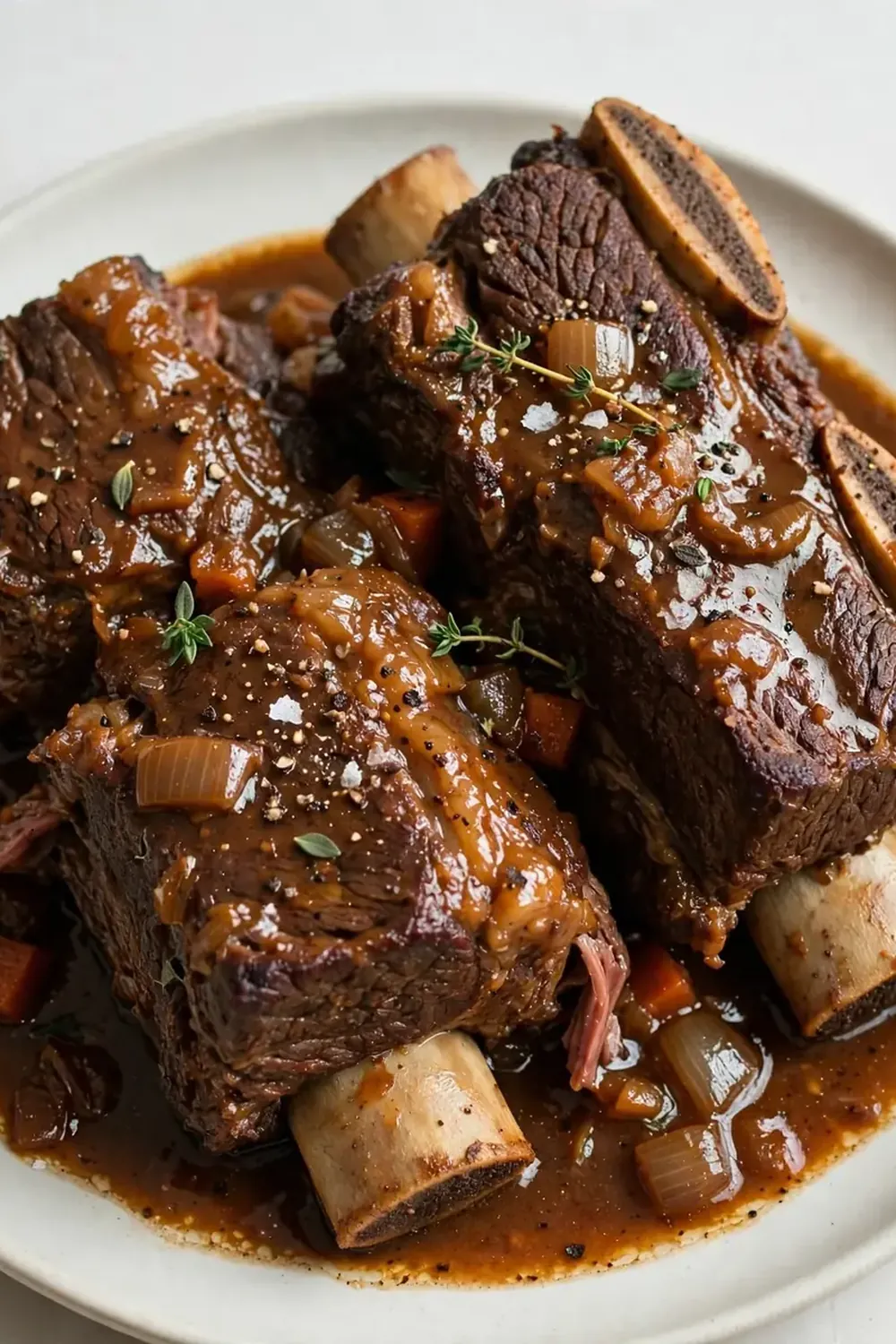
Ingredients You’ll Need
- 1.2 kg bone-in beef short ribs (about 4-6 ribs)
- 1 tablespoon vegetable oil
- 2 large onions, roughly chopped
- 4 garlic cloves, finely sliced
- 2 large carrots, peeled and cut into chunks
- 2 celery sticks, sliced
- 2 tablespoons tomato purée
- 500 ml beef stock (preferably low-salt and high-quality)
- 2 tablespoons balsamic vinegar
- 2 sprigs fresh rosemary
- 3 fresh thyme sprigs
- 2 bay leaves
- 1 teaspoon sea salt
- ½ teaspoon black pepper
- 1 tablespoon cornflour mixed with 2 tablespoons cold water (optional, for thickening)
Tip: For the most tender results, look for short ribs that have a good marbling of fat throughout the meat. The fat renders down during cooking and keeps the meat incredibly moist.
How to Make Classic Braised Beef Short Ribs
- Sear the ribs: Pat the short ribs dry with kitchen paper — this is crucial for a good crust. Heat the vegetable oil in a large, heavy-based pot or pressure cooker over a medium-high heat until it shimmers. Add the ribs in a single layer, working in batches if needed. Sear each side for 3-4 minutes until deeply browned and crusty. You’ll hear a satisfying sizzle, and the meat will release a nutty, toasty aroma. Transfer the ribs to a plate.
- Sweat the vegetables: Reduce the heat to medium. Add the onions, carrots, and celery to the pot. Cook for 5-7 minutes, stirring occasionally, until they soften and turn translucent. The onions should look glossy and smell sweet, not burnt. Add the garlic and cook for another minute until fragrant.
- Build the base: Stir in the tomato purée and cook for 2 minutes. It will darken in colour and smell intensely rich. This step removes the raw, tinny taste of the purée and adds depth.
- Deglaze and add liquid: Pour in the beef stock and balsamic vinegar, using a wooden spoon to scrape up all the browned bits stuck to the bottom of the pot. Those bits are packed with flavour. Bring the liquid to a gentle bubble — you should see small, lazy bubbles breaking the surface, not a rolling boil.
- Braise the ribs: Return the seared ribs to the pot, nestling them into the liquid. Add the rosemary, thyme, and bay leaves. If using a pressure cooker, lock the lid and cook on high pressure for 45 minutes. If using a regular pot, bring to a gentle simmer, cover with a tight-fitting lid, and cook on the hob over the lowest possible heat for 1 hour 30 minutes to 1 hour 45 minutes. The liquid should barely tremble. When done, the meat will have pulled away from the bone slightly and feel tender when pierced with a fork.
- Rest and finish: Turn off the heat and let the pot sit, covered, for 15 minutes. This resting time allows the fibres to relax and reabsorb juices. Remove the ribs to a warm plate and discard the herb sprigs. If you want a thicker sauce, bring the braising liquid to a boil and let it reduce by about a third, or stir in the cornflour slurry and simmer for 2 minutes until it coats the back of a spoon. The sauce should look glossy and feel velvety.
Tips From My Kitchen
- Dry the meat thoroughly: Moisture is the enemy of browning. If the short ribs are damp, they will steam rather than sear, and you lose that deep, caramelised crust that gives the final dish its richness. Pat them dry with kitchen paper and let them sit uncovered for 10 minutes before searing.
- Don’t skip the browning: I used to struggle with this dish until I discovered this technique. The Maillard reaction that happens during searing creates hundreds of flavour compounds that no amount of simmering can replicate. It’s worth the few extra minutes.
- Use a quality stock: The sauce is essentially concentrated stock, so its flavour matters more than you think. A good-quality, low-salt beef stock will give you a clean, meaty taste. If you use a watery stock, you’ll need to reduce it for ages to get any flavour.
- Control the heat during braising: The liquid should be at a gentle simmer, not a rolling boil. If you boil the meat, the proteins tighten and become tough and dry. Look for tiny bubbles that just barely break the surface — that’s the sweet spot.
- Make it ahead: Braised short ribs are one of the best make-ahead dishes. Cool them completely in the pot, then refrigerate overnight. The fat solidifies on top and is easy to remove, and the flavours meld and deepen. Reheat gently on the hob, adding a splash of stock if needed.
Common Mistakes to Avoid
- Overcrowding the pan: When searing, if you crowd the pan, the temperature drops and the meat steams instead of browning. The surface will look grey and unappealing, and you’ll miss that deep flavour. Sear in batches, leaving at least 2cm of space between each rib.
- Wrong temperature: Many cooks either boil the ribs or barely heat the liquid. Boiling makes the meat stringy and dry, while too-low heat means the connective tissue never breaks down. The ideal temperature is around 85°C to 90°C — a very gentle simmer with only occasional small bubbles rising.
- Skipping the rest time: After braising, the meat needs 10-15 minutes to rest. If you pull it out immediately, the juices will run out onto the plate, leaving you with dry meat. Resting allows the juices to redistribute evenly throughout the fibres.
Delicious Variations to Try
- Spicy Version: Add 2 dried chipotle chillies or 1 teaspoon of smoked paprika and a pinch of cayenne pepper along with the tomato purée. The smokiness complements the beef beautifully, and the gentle heat warms you from the inside out.
- Vegetarian/Vegan Option: Substitute the beef with large portobello mushrooms or thick slices of celeriac. Use a rich vegetable stock and add a tablespoon of soy sauce or tamari for umami. Braise for only 30-40 minutes, as the vegetables cook much faster than beef.
- Different Protein: This method works wonderfully with lamb shanks or oxtail. For lamb, reduce the cooking time by about 15 minutes. For oxtail, increase the time by 20-30 minutes, as it has more connective tissue that needs to break down. The sauce will be even richer and more gelatinous.
What to Serve With Classic Braised Beef Short Ribs
- Creamy mashed potatoes — the perfect canvas for the rich sauce
- Buttered egg noodles or pappardelle to catch every drop
- Steamed green beans or roasted carrots for a fresh, crisp contrast
- A simple green salad with a sharp vinaigrette to cut through the richness
Still hungry for ideas? You might also love Tender Crock Pot Short Ribs, High Protein Braised Beef Short Ribs from our sister kitchens.
Frequently Asked Questions
Classic Braised Beef Short Ribs
Ingredients
Method
- Sear the ribs: Pat the short ribs dry with kitchen paper — this is crucial for a good crust. Heat the vegetable oil in a large, heavy-based pot or pressure cooker over a medium-high heat until it shimmers. Add the ribs in a single layer, working in batches if needed. Sear each side for 3-4 minutes until deeply browned and crusty. You'll hear a satisfying sizzle, and the meat will release a nutty, toasty aroma. Transfer the ribs to a plate.
- Sweat the vegetables: Reduce the heat to medium. Add the onions, carrots, and celery to the pot. Cook for 5-7 minutes, stirring occasionally, until they soften and turn translucent. The onions should look glossy and smell sweet, not burnt. Add the garlic and cook for another minute until fragrant.
- Build the base: Stir in the tomato purée and cook for 2 minutes. It will darken in colour and smell intensely rich. This step removes the raw, tinny taste of the purée and adds depth.
- Deglaze and add liquid: Pour in the beef stock and balsamic vinegar, using a wooden spoon to scrape up all the browned bits stuck to the bottom of the pot. Those bits are packed with flavour. Bring the liquid to a gentle bubble — you should see small, lazy bubbles breaking the surface, not a rolling boil.
- Braise the ribs: Return the seared ribs to the pot, nestling them into the liquid. Add the rosemary, thyme, and bay leaves. If using a pressure cooker, lock the lid and cook on high pressure for 45 minutes. If using a regular pot, bring to a gentle simmer, cover with a tight-fitting lid, and cook on the hob over the lowest possible heat for 1 hour 30 minutes to 1 hour 45 minutes. The liquid should barely tremble. When done, the meat will have pulled away from the bone slightly and feel tender when pierced with a fork.
- Rest and finish: Turn off the heat and let the pot sit, covered, for 15 minutes. This resting time allows the fibres to relax and reabsorb juices. Remove the ribs to a warm plate and discard the herb sprigs. If you want a thicker sauce, bring the braising liquid to a boil and let it reduce by about a third, or stir in the cornflour slurry and simmer for 2 minutes until it coats the back of a spoon. The sauce should look glossy and feel velvety.
Notes
I’d love to hear how you get on with this quick weeknight version of Classic Braised Beef Short Ribs. Have you tried any of the variations, or do you have your own twist? Drop a comment below and share your experience — your tips might just help another busy cook discover the joy of this dish on a Tuesday night.