Creamy Tuscan Salmon Skillet
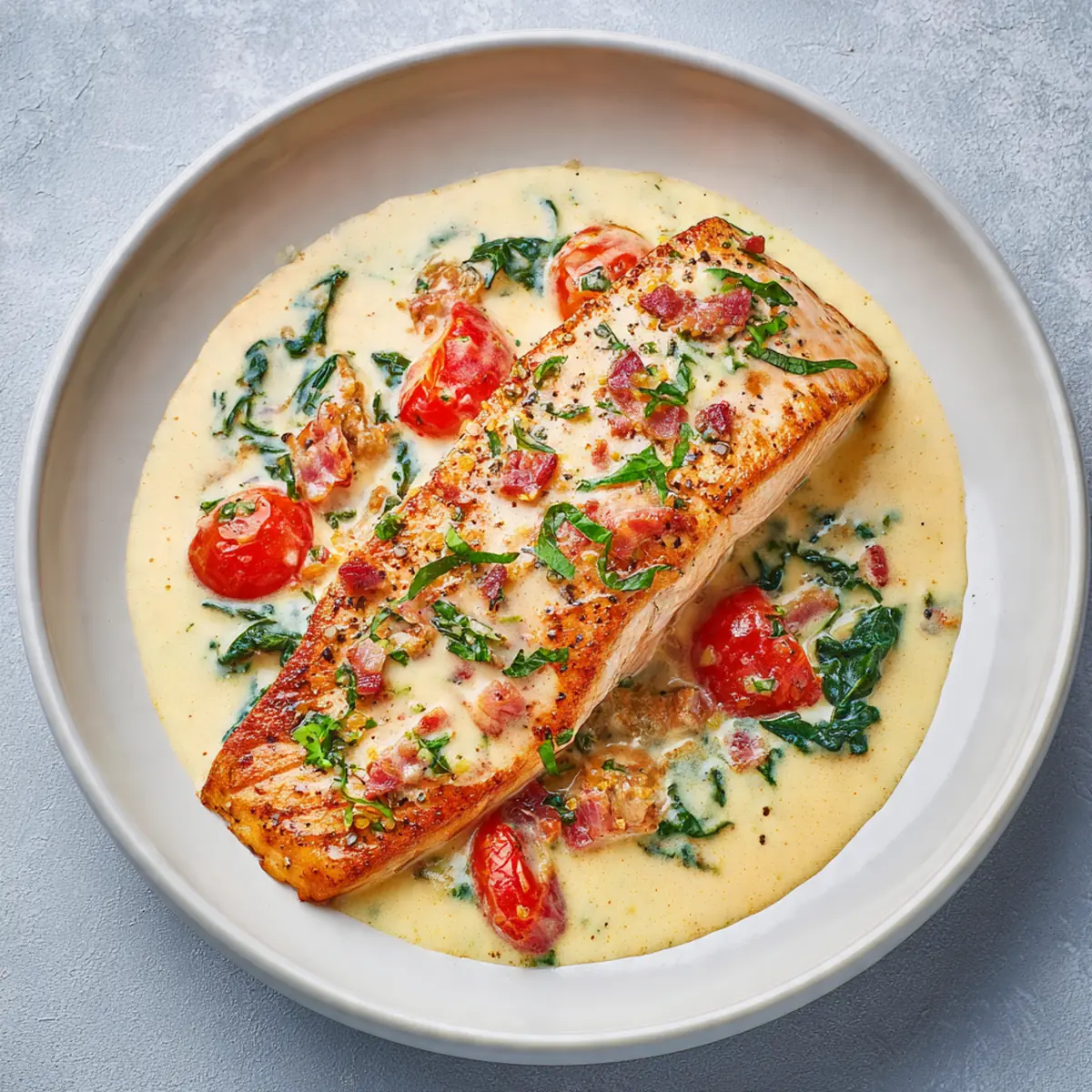
There are few things more comforting than a creamy, one-pan dinner that feels both elegant and effortless. This Creamy Tuscan Salmon Skillet is a dish I turn to again and again, whether it’s a busy weeknight or a special weekend meal. Friends always ask me for this recipe after trying it at dinner parties, and I’m always happy to share it.
Recipe Overview
- Prep Time: 10 minutes
- Cook Time: 25 minutes
- Total Time: 35 minutes
- Servings: 4
- Difficulty: Easy
Why You’ll Love This Creamy Tuscan Salmon Skillet
- One-Pan Wonder: Minimal washing up and maximum flavour, all cooked in a single skillet from start to finish.
- Restaurant-Quality at Home: The rich, velvety sauce with sun-dried tomatoes and spinach makes this dish taste like it came from a fine dining kitchen.
- Perfectly Cooked Salmon Every Time: We’ll use a simple searing technique followed by gentle simmering to ensure the salmon stays moist and flaky, never dry.
- Ready in Under 35 Minutes: From prep to plate, this recipe comes together quickly, making it ideal for both casual dinners and entertaining.
- Naturally Versatile: The creamy Tuscan sauce pairs beautifully with pasta, rice, crusty bread, or a simple green salad.
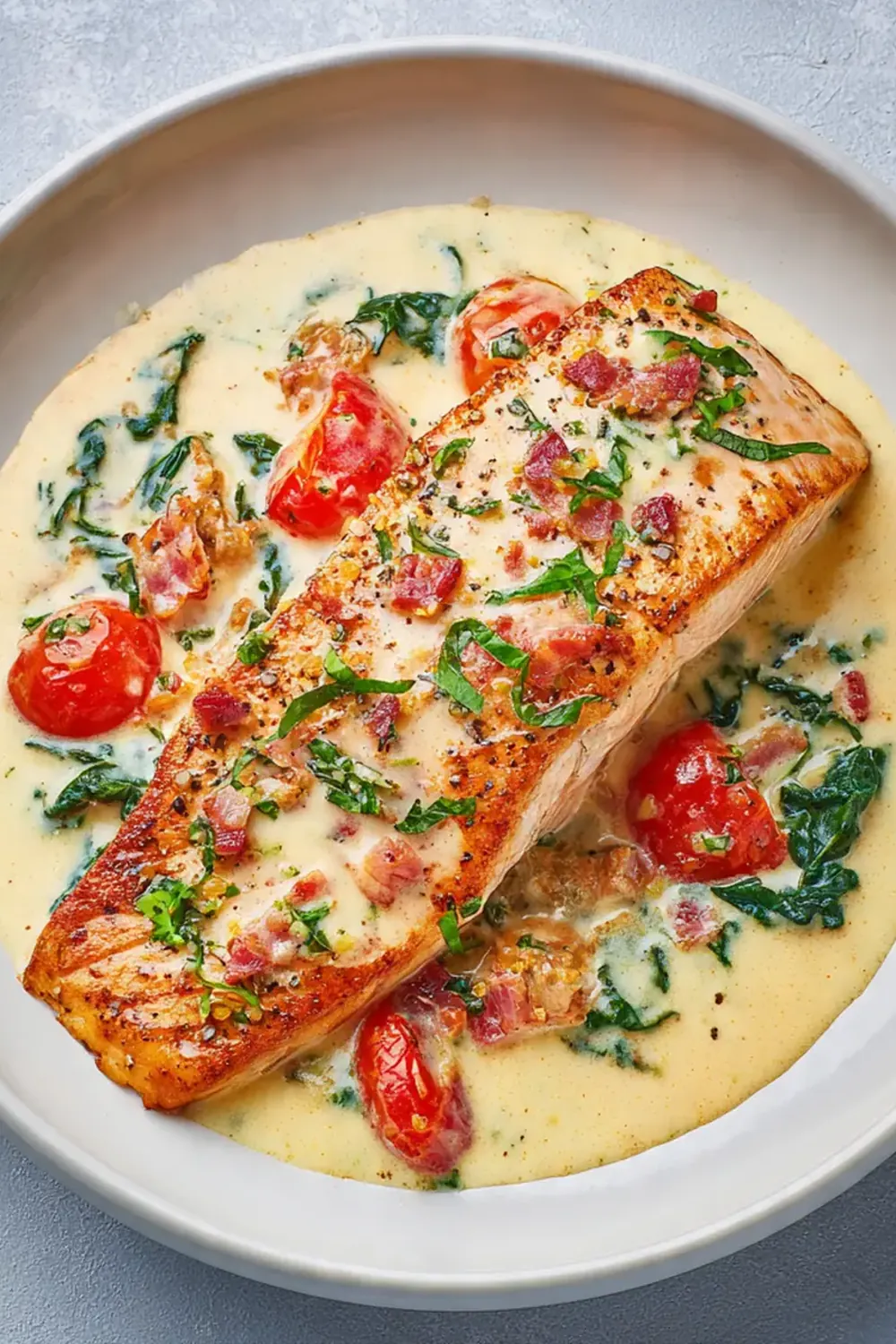
Ingredients You’ll Need
- 4 salmon fillets (about 150g each), skin on or off
- 2 tablespoons olive oil
- 3 cloves garlic, minced
- 1 small onion, finely diced
- 100g sun-dried tomatoes in oil, drained and chopped
- 250ml chicken or vegetable stock
- 300ml double cream
- 50g grated Parmesan cheese
- 100g fresh spinach
- 1 teaspoon dried oregano
- ½ teaspoon red pepper flakes (optional, for gentle heat)
- Salt and freshly ground black pepper, to taste
- Fresh basil or parsley, for garnish
Tip: For the best flavour, use sun-dried tomatoes packed in oil rather than the dry variety. The oil adds a lovely richness to the sauce.
How to Make Creamy Tuscan Salmon Skillet
- Prepare the Salmon: Pat the salmon fillets dry with kitchen paper. Season both sides generously with salt and pepper. This step is crucial for a good sear. The salmon should feel dry to the touch, not slippery.
- Sear the Salmon: Heat the olive oil in a large, heavy-based skillet over medium-high heat. When the oil shimmers and a drop of water sizzles instantly, carefully place the salmon fillets skin-side down (if using skin). Sear for 4-5 minutes without moving them. You’ll hear a steady sizzle, and the edges will turn a deep golden brown. The skin should be crispy and release easily from the pan. Flip and cook for another 2 minutes on the other side. The flesh will look opaque and feel firm to the touch. Transfer the salmon to a plate and set aside.
- Sauté the Aromatics: Reduce the heat to medium. In the same skillet, add the diced onion. Cook for 3-4 minutes, stirring occasionally, until it becomes translucent and soft, with a faint sweet aroma. Add the minced garlic and cook for a further 30 seconds until fragrant, being careful not to let it burn.
- Build the Sauce: Stir in the chopped sun-dried tomatoes and dried oregano. Cook for 1 minute, allowing the tomatoes to release their flavour. You’ll notice the pan looks quite dry at this point. Pour in the chicken stock and bring it to a gentle simmer, scraping up any browned bits from the bottom of the pan with a wooden spoon. The liquid will reduce slightly and become more concentrated in flavour.
- Make it Creamy: Reduce the heat to low and pour in the double cream. Stir gently until the sauce is smooth and fully combined. The colour will change from a clear broth to a pale, creamy gold. Add the grated Parmesan cheese and stir until it melts completely into the sauce. The sauce should now be thick enough to coat the back of a spoon, with a silky, glossy appearance.
- Wilt the Spinach: Add the fresh spinach to the skillet in handfuls. Stir gently as it wilts. The leaves will turn a vibrant, dark green and reduce significantly in volume. This takes only about 1-2 minutes. Taste the sauce and adjust seasoning with salt, pepper, and red pepper flakes if desired.
- Finish the Dish: Return the seared salmon fillets to the skillet, nestling them into the creamy sauce. Spoon some of the sauce over the top of each fillet. Let everything simmer together on low heat for 3-4 minutes. The salmon will finish cooking through, and the sauce will thicken slightly more. The fish should flake easily when tested with a fork, and the sauce will have a luscious, velvety texture.
- Rest and Serve: Remove the skillet from the heat. Let it rest for 2-3 minutes. This allows the salmon to relax and the sauce to settle. Garnish with fresh basil or parsley and serve immediately.
Tips From My Kitchen
- Don’t Skip Drying the Salmon: Moisture is the enemy of a good sear. If the salmon is wet, it will steam rather than brown, resulting in a pale, soft skin. Patting it dry ensures you get that beautiful, crispy exterior and rich flavour.
- Use a Heavy-Bottomed Skillet: A cast-iron or stainless-steel skillet distributes heat evenly and holds it well. This prevents hot spots that can burn the garlic or cause the cream to split. A thin pan will lead to uneven cooking and a less reliable sauce.
- Control the Heat for the Cream: When adding the double cream, ensure the heat is on low. High heat can cause the cream to curdle or separate, resulting in a grainy, unappealing sauce. A gentle simmer is all that’s needed to thicken it beautifully.
- Grate Your Own Parmesan: Pre-shredded cheese often contains anti-caking agents that prevent it from melting smoothly. Grating a block of Parmesan yourself ensures a silky, lump-free sauce that clings perfectly to the salmon and spinach.
- Let the Salmon Rest Before Slicing: After cooking, allowing the salmon to rest for a few minutes helps the juices redistribute throughout the fillet. If you cut into it immediately, the juices will run out onto the plate, leaving the fish drier than it should be.
Common Mistakes to Avoid
- Overcrowding the pan: If your skillet is too small, the salmon will steam instead of sear. Use a pan large enough to hold the fillets in a single layer with at least 2cm of space between each one. If necessary, cook the salmon in two batches to ensure a perfect golden crust.
- Wrong temperature: Cooking the salmon over too high heat will burn the outside before the inside is cooked. Conversely, too low heat will result in a pale, leathery texture. A steady medium-high heat for searing and a low heat for the cream sauce is the winning combination.
- Skipping the rest time: Resting the finished dish for just a couple of minutes allows the sauce to thicken slightly and the flavours to meld together. It also makes the salmon more tender. My husband, who’s usually picky, asked for seconds the first time I made this, and resting was a key step.
Delicious Variations to Try
- Spicy Version: For those who enjoy a kick, add a finely chopped fresh red chilli along with the garlic, or increase the red pepper flakes to a full teaspoon. A dash of hot paprika stirred into the cream sauce also works wonderfully.
- Vegetarian/Vegan Option: Replace the salmon with thick slices of firm tofu or halloumi. For a vegan version, use a plant-based double cream and a dairy-free Parmesan alternative. Add a can of drained chickpeas for extra protein and texture.
- Different Protein: This creamy Tuscan sauce is incredibly versatile. Try it with boneless, skinless chicken breasts (pound them to an even thickness first) or large, peeled prawns. If you enjoy other seafood dishes, you might also like our Shrimp Pasta Recipe Simple And Quick Seafood for a different take on a creamy skillet meal.
What to Serve With Creamy Tuscan Salmon Skillet
- Buttered pasta, such as fettuccine or pappardelle, to soak up the sauce
- Fluffy steamed rice or creamy mashed potatoes
- Crusty bread for dipping
- A simple green salad with a lemon vinaigrette to cut through the richness
- Steamed green beans or roasted asparagus
Frequently Asked Questions
Creamy Tuscan Salmon Skillet
Ingredients
Method
- Prepare the Salmon: Pat the salmon fillets dry with kitchen paper. Season both sides generously with salt and pepper. This step is crucial for a good sear. The salmon should feel dry to the touch, not slippery.
- Sear the Salmon: Heat the olive oil in a large, heavy-based skillet over medium-high heat. When the oil shimmers and a drop of water sizzles instantly, carefully place the salmon fillets skin-side down (if using skin). Sear for 4-5 minutes without moving them. You'll hear a steady sizzle, and the edges will turn a deep golden brown. The skin should be crispy and release easily from the pan. Flip and cook for another 2 minutes on the other side. The flesh will look opaque and feel firm to the touch. Transfer the salmon to a plate and set aside.
- Sauté the Aromatics: Reduce the heat to medium. In the same skillet, add the diced onion. Cook for 3-4 minutes, stirring occasionally, until it becomes translucent and soft, with a faint sweet aroma. Add the minced garlic and cook for a further 30 seconds until fragrant, being careful not to let it burn.
- Build the Sauce: Stir in the chopped sun-dried tomatoes and dried oregano. Cook for 1 minute, allowing the tomatoes to release their flavour. You'll notice the pan looks quite dry at this point. Pour in the chicken stock and bring it to a gentle simmer, scraping up any browned bits from the bottom of the pan with a wooden spoon. The liquid will reduce slightly and become more concentrated in flavour.
- Make it Creamy: Reduce the heat to low and pour in the double cream. Stir gently until the sauce is smooth and fully combined. The colour will change from a clear broth to a pale, creamy gold. Add the grated Parmesan cheese and stir until it melts completely into the sauce. The sauce should now be thick enough to coat the back of a spoon, with a silky, glossy appearance.
- Wilt the Spinach: Add the fresh spinach to the skillet in handfuls. Stir gently as it wilts. The leaves will turn a vibrant, dark green and reduce significantly in volume. This takes only about 1-2 minutes. Taste the sauce and adjust seasoning with salt, pepper, and red pepper flakes if desired.
- Finish the Dish: Return the seared salmon fillets to the skillet, nestling them into the creamy sauce. Spoon some of the sauce over the top of each fillet. Let everything simmer together on low heat for 3-4 minutes. The salmon will finish cooking through, and the sauce will thicken slightly more. The fish should flake easily when tested with a fork, and the sauce will have a luscious, velvety texture.
- Rest and Serve: Remove the skillet from the heat. Let it rest for 2-3 minutes. This allows the salmon to relax and the sauce to settle. Garnish with fresh basil or parsley and serve immediately.
Notes
I hope this Creamy Tuscan Salmon Skillet becomes a beloved staple in your kitchen, just as it has in mine. It’s one of those recipes that feels special enough for a celebration but is straightforward enough for a Tuesday night dinner. If you enjoy this style of cooking, you might also love our Italian Stromboli Recipe Cheesy Roll Up for another satisfying meal. I’d love to hear how yours turns out — please leave a comment below and share your experience!