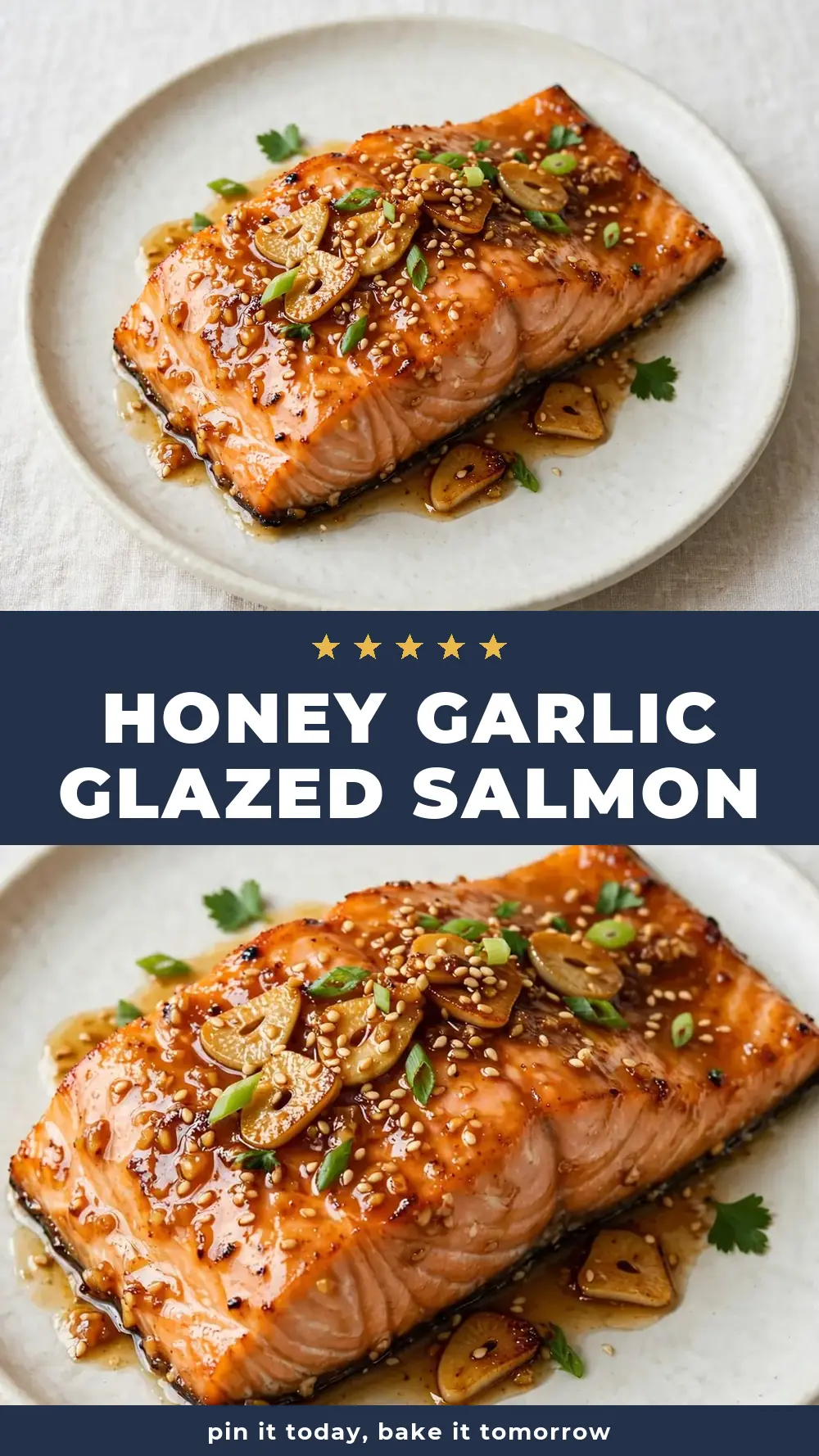
Honey Garlic Glazed Salmon
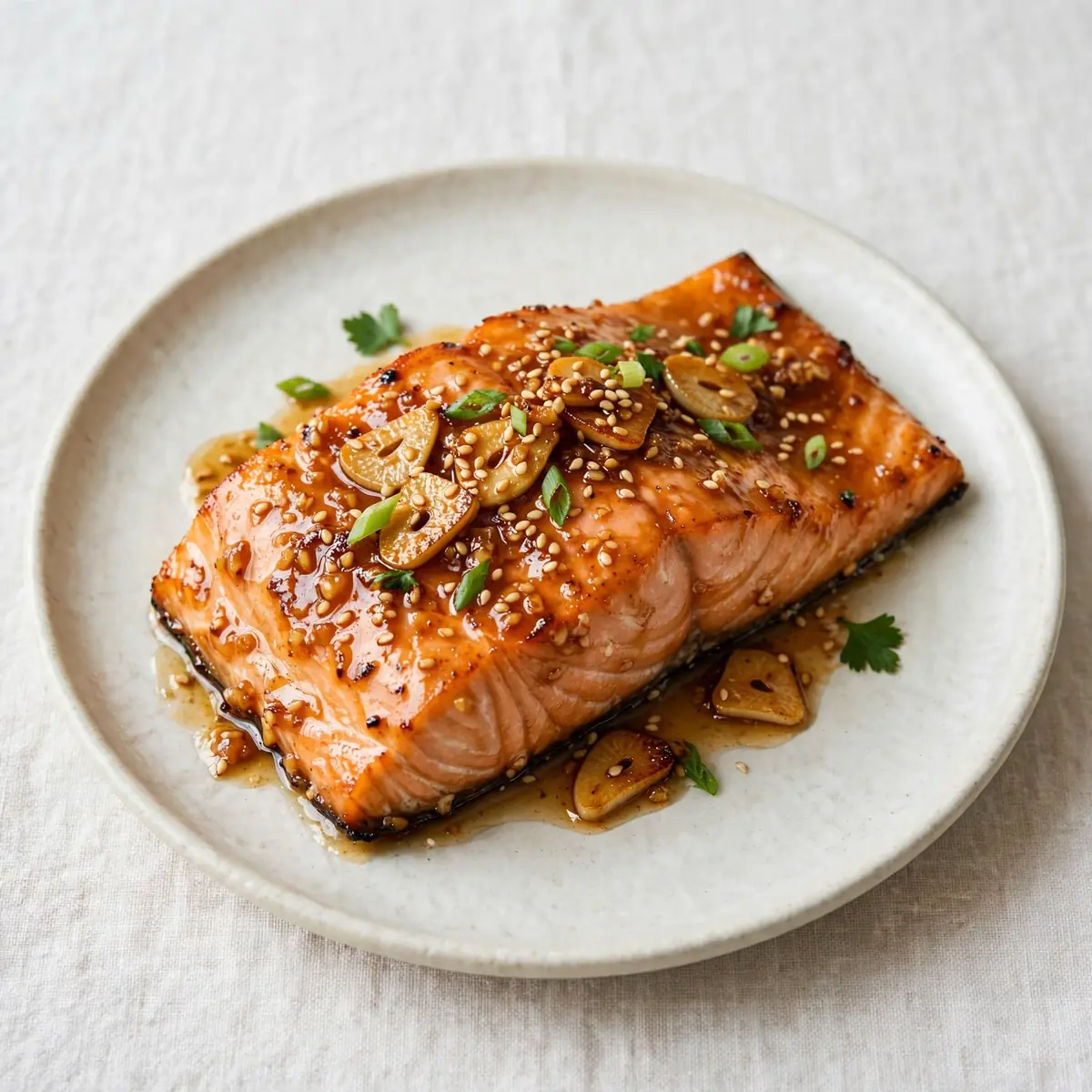
When the clock strikes six and my family is already circling the kitchen like hungry sharks, this honey garlic glazed salmon is my secret weapon. It comes together in under twenty minutes, leaves me with just one pan to wash, and somehow makes a Tuesday night feel like a bit of an occasion.
Recipe Overview
- Prep time: 5 minutes
- Cook time: 12 minutes
- Total time: 17 minutes
- Servings: 4
- Difficulty: Easy
Why You’ll Love This Honey Garlic Glazed Salmon
- One-pan wonder: Everything happens in a single skillet, meaning you’re not staring at a mountain of washing-up after dinner. I’ve been known to eat straight from the pan just to avoid another dirty plate.
- Store-cupboard friendly: The glaze uses ingredients you likely already have — honey, soy sauce, garlic, and a splash of vinegar. No special trips to the shops required.
- Make-ahead magic: You can whisk the glaze together the night before and keep it in the fridge. On busy evenings, that’s five minutes of prep already done before you even start cooking.
- Naturally impressive: This is my go-to recipe when I need something quick but impressive. The glossy, sticky glaze makes the salmon look restaurant-quality, yet it takes less time than ordering takeaway.
- Family-friendly flavour: The sweet-savoury balance appeals to both grown-ups and little ones, much like our Honey Lime Grilled Chicken. My youngest, who usually picks at fish, asks for seconds every time.
Ingredients You’ll Need
- 4 salmon fillets (about 150g each), skin on or off
- 3 tablespoons honey
- 2 tablespoons soy sauce (or tamari for gluten-free)
- 3 cloves garlic, finely minced
- 1 tablespoon apple cider vinegar
- 1 tablespoon olive oil
- ½ teaspoon ground black pepper
- ¼ teaspoon salt
- 1 tablespoon unsalted butter
- 1 tablespoon sesame seeds, for garnish (optional)
- 2 spring onions, sliced, for garnish (optional)
Tip: For the best texture, choose fillets that are roughly the same thickness so they cook evenly. If your fillets have the skin on, that’s absolutely fine — the skin crisps up beautifully and helps keep the fish moist.
How to Make Honey Garlic Glazed Salmon
- Pat the salmon dry with kitchen paper. This step matters more than you might think — excess moisture stops the glaze from sticking and prevents that lovely golden crust from forming. Season both sides with salt and pepper. The fillets should feel dry to the touch, not slick.
- Whisk the glaze in a small bowl: honey, soy sauce, minced garlic, and apple cider vinegar. Stir until the honey has fully dissolved into the liquid. You’ll notice the mixture turning a uniform amber colour, and the sharp scent of vinegar will mellow as it combines with the honey.
- Heat the olive oil in a large non-stick skillet over medium-high heat. When the oil shimmers and you see faint wisps of smoke rising, it’s ready. Lay the salmon fillets in the pan, presentation side down (the side that was facing up when you bought them). You should hear a satisfying sizzle — that’s the sound of a good sear beginning.
- Sear for 3-4 minutes without moving the fillets. The edges will turn opaque and golden, and you’ll see the colour creeping up the sides. When you gently lift a corner with a spatula, the underside should be a deep golden brown. Flip each fillet carefully — the cooked side should look caramelised and slightly crisp.
- Add the butter and glaze to the pan, pouring it around the fillets rather than directly on top. Reduce the heat to medium. As the butter melts, tilt the pan slightly so the glaze pools around the salmon. You’ll smell the garlic becoming fragrant and the honey beginning to caramelise — a sweet, savoury aroma that fills the kitchen.
- Spoon the glaze over the fillets continuously for 2-3 minutes. Use a spoon to baste the tops of the salmon with the bubbling glaze. The sauce will thicken and become sticky, clinging to the fish. The salmon should flake easily when pressed gently with a fork, and the internal temperature should reach 63°C if you’re using a thermometer. The centre will be a warm, translucent pink when flaked.
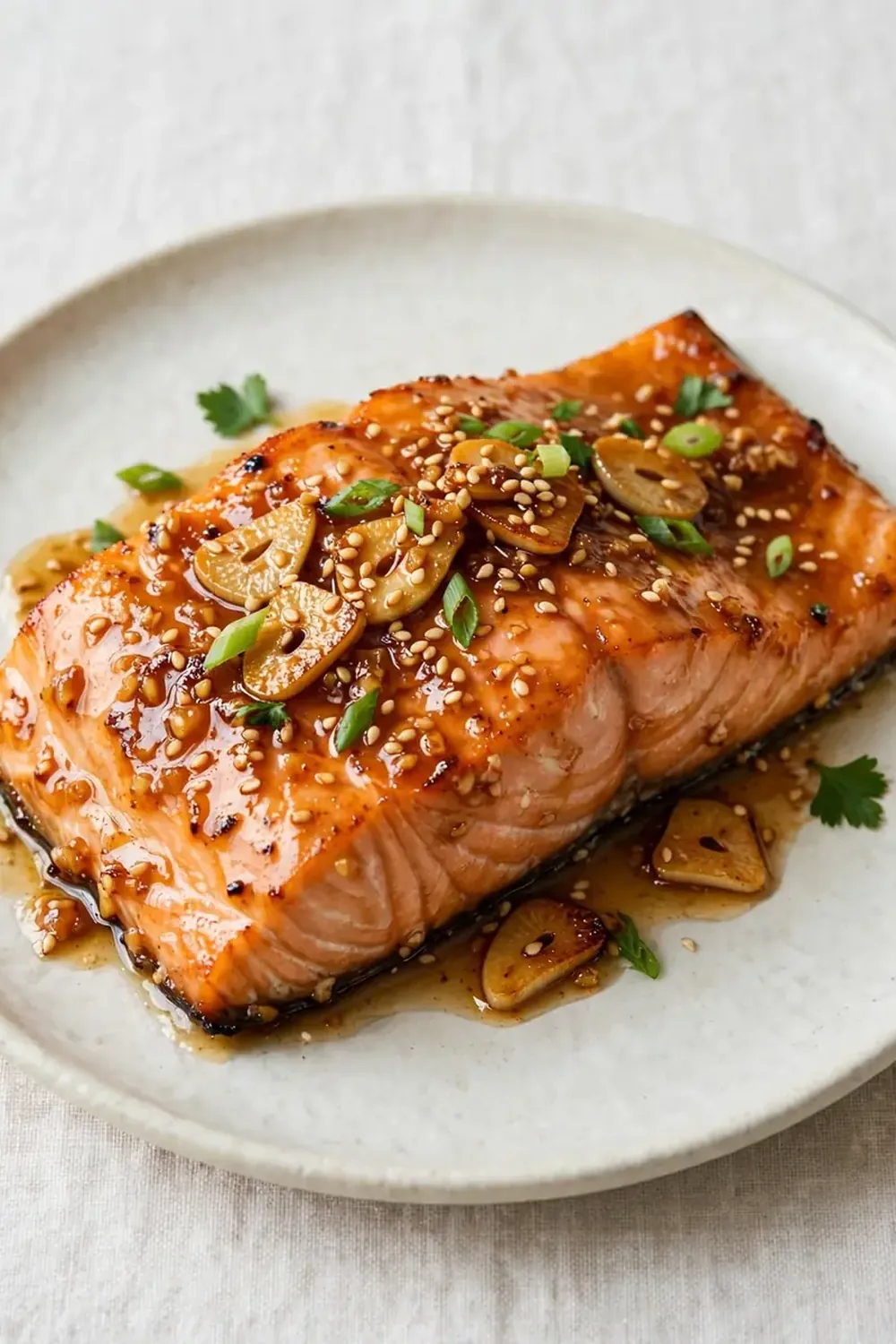
- Remove from heat immediately and transfer the salmon to serving plates. Spoon any remaining glaze from the pan over the top. Sprinkle with sesame seeds and spring onions if using. The glaze should be glossy and thick enough to coat the back of a spoon.
Tips From My Kitchen
- Don’t overcrowd the pan: If you’re cooking more than four fillets, do it in batches. When the pan is too full, the temperature drops and the salmon steams rather than sears. You want that golden crust, not pale, rubbery fish. I learned this the hard way when I tried to feed eight people in one go — the first batch was glorious, the second was sad.
- Use a non-stick skillet: A good non-stick pan is worth its weight in gold here. The honey glaze can stick and burn onto stainless steel or cast iron, making cleanup a nightmare. With non-stick, the glaze slides right off, and you’re done washing up in thirty seconds flat.
- Make the glaze ahead: Combine the honey, soy sauce, garlic, and vinegar in a small jar and keep it in the fridge for up to three days. On busy evenings, you can have this dish on the table in twelve minutes flat — just sear the salmon and pour the ready-made glaze in. It’s a game-changer for chaotic weeknights.
- Watch the heat: Honey burns quickly because of its high sugar content. If the glaze starts to smoke or turn dark brown, reduce the heat immediately. You want a gentle bubble, not a furious boil. The glaze should be amber and glossy, not dark and bitter.
- Let the salmon rest: After you take the pan off the heat, let the fillets sit for a minute before serving. This allows the juices to redistribute throughout the fish, making every bite moist and tender. If you cut into it straight away, those precious juices will run out onto the plate instead of staying inside the salmon.
- Double the glaze for extra sauce: If you’re like me and love spooning extra glaze over rice or vegetables, simply double the glaze ingredients. Just be sure to cook it for an extra minute or two in the pan to thicken it properly before serving.
Delicious Variations to Try
- Spicy Version: Add ½ teaspoon of red chilli flakes or a teaspoon of sriracha to the glaze before cooking. The heat cuts through the sweetness beautifully. For an extra kick, garnish with thinly sliced fresh red chilli just before serving.
- Vegetarian/Vegan Option: Substitute the salmon with thick slices of firm tofu or large portobello mushrooms. Press the tofu well to remove excess moisture, then follow the same searing and glazing method. The glaze works just as well on plant-based proteins, creating that same sticky, glossy finish.
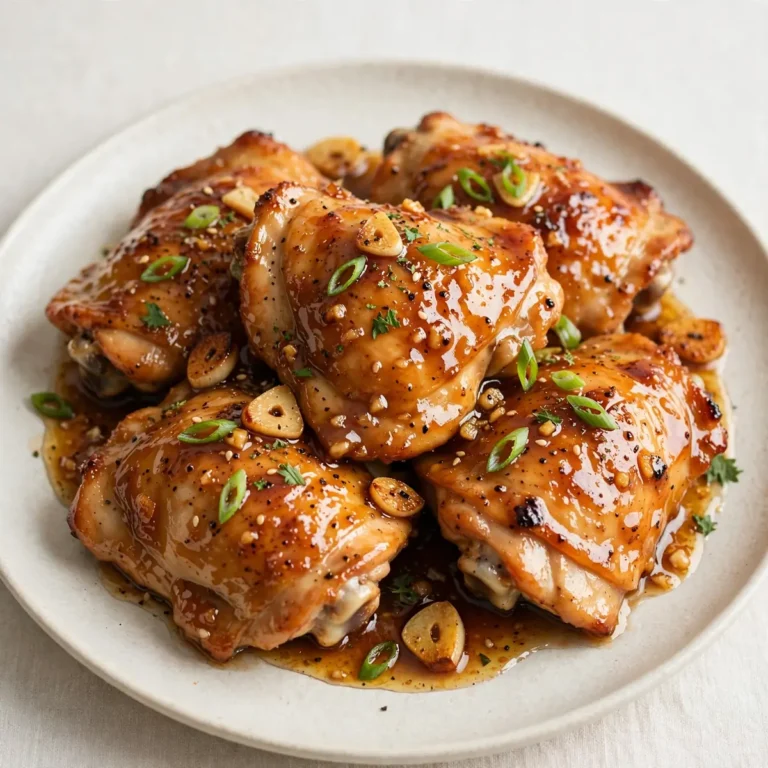
- Different Protein: This glaze is fantastic on chicken thighs or prawns. For chicken, sear thigh fillets for 5-6 minutes per side before adding the glaze. For prawns, cook them for just 2 minutes per side — they cook so quickly that you’ll want to add the glaze almost immediately after flipping.
What to Serve With Honey Garlic Glazed Salmon
- Steamed jasmine rice or sticky white rice to soak up every drop of glaze
- Steamed tenderstem broccoli or green beans, tossed in a little butter
- A simple cucumber and sesame salad with a rice vinegar dressing
- Buttered noodles or mashed potatoes for a more filling meal
- If you’re after another speedy weeknight dinner, try our Creamy Garlic Herb Chicken Recipe Skillet Meal for a similar one-pan experience
Still hungry for ideas? You might also love Crispy Honey Garlic Salmon Bites, High Protein Honey Garlic Salmon from our sister kitchens.
Frequently Asked Questions
Honey Garlic Glazed Salmon
Ingredients
Method
-
Pat the salmon dry with kitchen paper. This step matters more than you might think — excess moisture stops the glaze from sticking and prevents that lovely golden crust from forming. Season both sides with salt and pepper. The fillets should feel dry to the touch, not slick.
-
Whisk the glaze in a small bowl: honey, soy sauce, minced garlic, and apple cider vinegar. Stir until the honey has fully dissolved into the liquid. You’ll notice the mixture turning a uniform amber colour, and the sharp scent of vinegar will mellow as it combines with the honey.
-
Heat the olive oil in a large non-stick skillet over medium-high heat. When the oil shimmers and you see faint wisps of smoke rising, it’s ready. Lay the salmon fillets in the pan, presentation side down (the side that was facing up when you bought them). You should hear a satisfying sizzle — that’s the sound of a good sear beginning.
-
Sear for 3-4 minutes without moving the fillets. The edges will turn opaque and golden, and you’ll see the colour creeping up the sides. When you gently lift a corner with a spatula, the underside should be a deep golden brown. Flip each fillet carefully — the cooked side should look caramelised and slightly crisp.
-
Add the butter and glaze to the pan, pouring it around the fillets rather than directly on top. Reduce the heat to medium. As the butter melts, tilt the pan slightly so the glaze pools around the salmon. You’ll smell the garlic becoming fragrant and the honey beginning to caramelise — a sweet, savoury aroma that fills the kitchen.
-
Spoon the glaze over the fillets continuously for 2-3 minutes. Use a spoon to baste the tops of the salmon with the bubbling glaze. The sauce will thicken and become sticky, clinging to the fish. The salmon should flake easily when pressed gently with a fork, and the internal temperature should reach 63°C if you’re using a thermometer. The centre will be a warm, translucent pink when flaked.
-
Remove from heat immediately and transfer the salmon to serving plates. Spoon any remaining glaze from the pan over the top. Sprinkle with sesame seeds and spring onions if using. The glaze should be glossy and thick enough to coat the back of a spoon.
Notes
I stumbled upon this combination by accident one frantic Tuesday when I had half a bottle of honey and a craving for something savoury, and it’s been a hit ever since. I’d love to hear how this honey garlic glazed salmon works out for your family — drop a comment below and let me know if you added your own twist or served it with something unexpected. Happy cooking, and here’s to more weeknights that feel a little less rushed.