Juicy Pork Tenderloin Roast
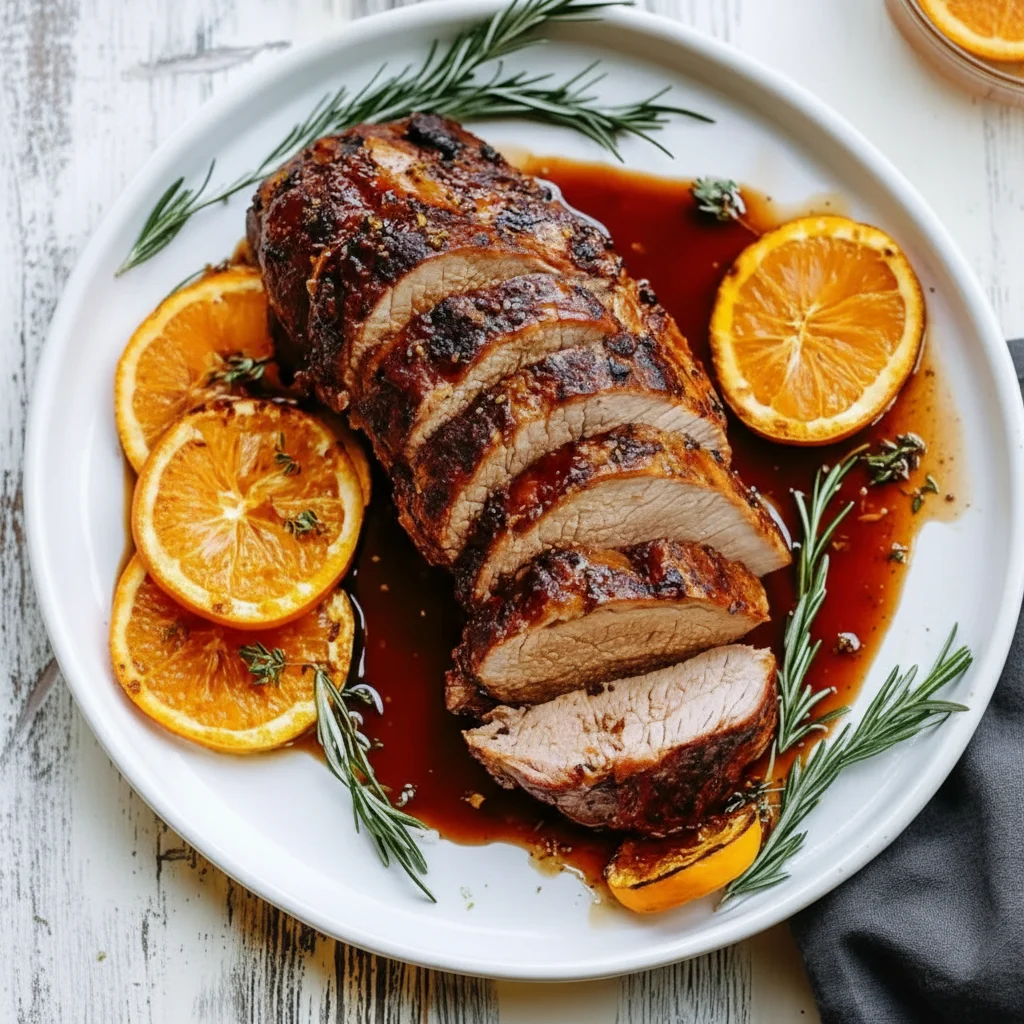
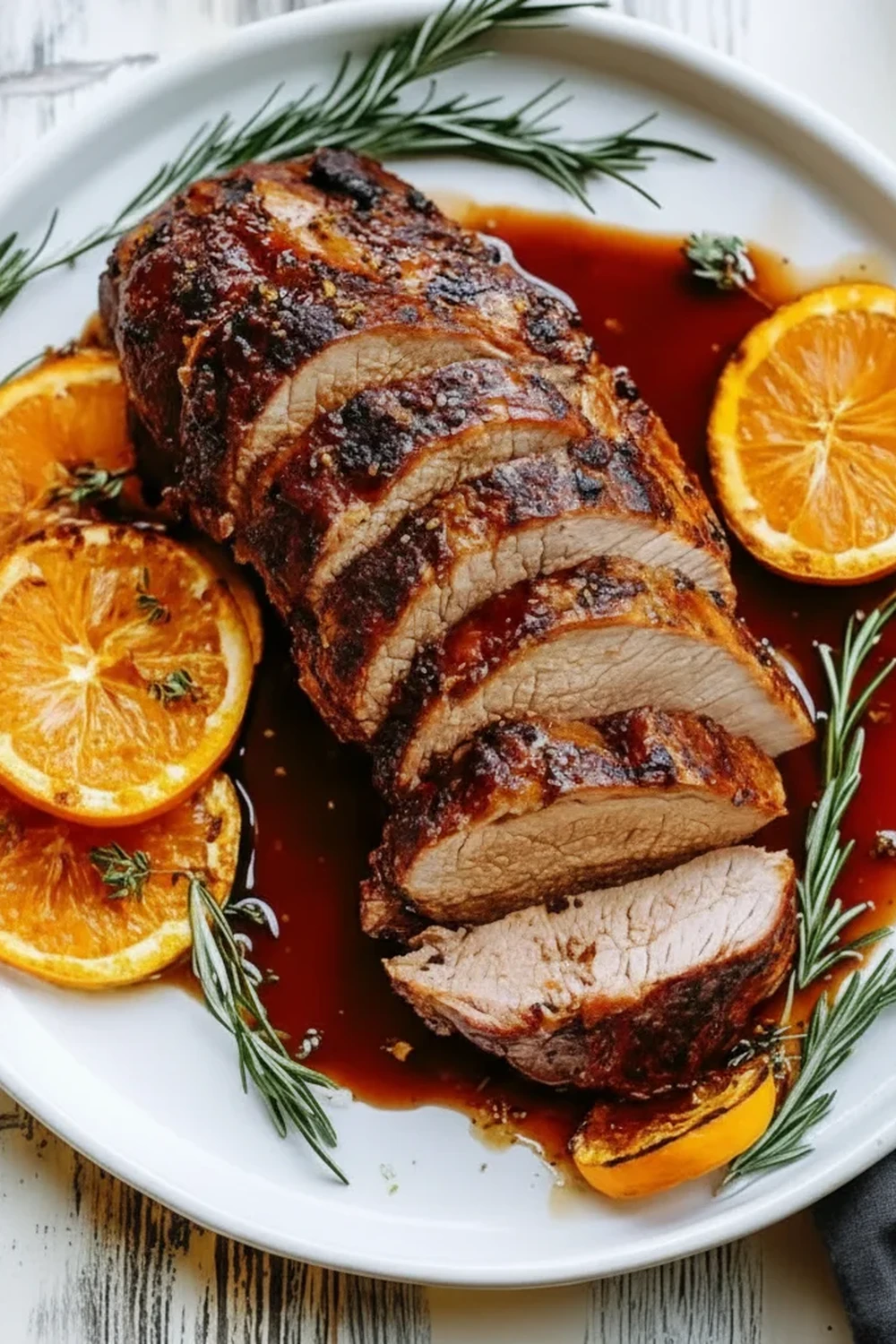
There is something fundamentally satisfying about a beautifully cooked roast, and it doesn’t need to be a weekend-long affair. The pork tenderloin roast, with its lean profile and delicate flavour, is a cut of meat we return to time and again in my kitchen. It’s elegant enough for a special occasion but straightforward enough for a Tuesday evening when you fancy something a little more special. This particular recipe, with a fragrant crust of garlic and herbs, results in an incredibly juicy pork dinner that smells as wonderful as it tastes. Friends always ask me for this recipe after trying it at dinner parties.
What makes this pork recipe stand out is the balance we strike between the robust, aromatic crust and the tender, succulent meat inside. We’re not masking the pork’s natural flavour; we’re complementing it. The high-heat searing followed by a quick roast in the oven is a classic technique that guarantees a caramelised exterior while keeping the inside moist. It’s a method that respects the quality of the meat, ensuring every slice is a proper treat.
This is a dinner roast for anyone who appreciates simple, high-quality ingredients coming together to create something truly memorable. It works beautifully for a small family Sunday lunch, a dinner for two that feels a bit celebratory, or for when you’re hosting and want a reliable main course that doesn’t demand your constant attention. Paired with some simple roasted vegetables, it’s a complete and satisfying meal.
Recipe Overview
This recipe focuses on creating the best possible pork tenderloin roast with a simple yet powerful garlic and herb crust. Expect a deeply savoury flavour from the seared exterior, with fragrant notes of rosemary and thyme infusing the juicy, tender meat. After testing this recipe five times, I finally got it just right by adjusting the searing time and resting period to maximise succulence.
- Prep Time: 15 minutes
- Cook Time: 25 minutes
- Total Time: 50 minutes (includes resting)
- Servings: 4 people
- Difficulty: Easy-Medium
Why You’ll Love This Pork Tenderloin Roast
- Genuine Flavour: The simple rub of fresh garlic, rosemary, and thyme creates a wonderfully fragrant, savoury crust that penetrates the meat without overpowering its delicate taste. It’s a classic combination that just works.
- Ready in Under an Hour: From start to finish, this impressive roast is on the table in about 50 minutes, making it a brilliant option for a midweek meal that feels a bit luxurious.
- A Truly Flexible Recipe: The herb rub is wonderfully adaptable. If you don’t have rosemary, fresh sage or oregano are excellent substitutes. You can even add a pinch of fennel seeds for a gentle aniseed note.
- Great for a Sunday Roast: This dish is ideal when you want the tradition of a Sunday roast without spending hours in the kitchen. It has all the hallmarks of a special meal.
- Family Tested: My whole family enjoys this one, and it’s a recipe that always gets compliments from guests. It’s proof that you don’t need dozens of ingredients for a standout main course.
Ingredients You’ll Need
We’re using a handful of quality ingredients to let the pork shine. When it comes to the sea salt, I always reach for Maldon Sea Salt Flakes; the texture makes a real difference to the crust. Fresh herbs are also a must here for the best aroma and flavour.
- 2 pork tenderloins (approx. 450-500g each)
- 2 tablespoons olive oil
- 4 cloves garlic, minced
- 1 tablespoon fresh rosemary, finely chopped
- 1 tablespoon fresh thyme leaves, removed from stems
- 1 ½ teaspoons coarse sea salt
- 1 teaspoon freshly ground black pepper
- 50ml dry white wine or chicken stock (optional, for deglazing)
Marcus’s Tip: Take your pork tenderloins out of the fridge about 30 minutes before you plan to cook them. Letting the meat come closer to room temperature helps it cook much more evenly.
How to Make This Pork Tenderloin Roast
The process is quite straightforward. We start by creating a flavourful paste, searing the pork on the hob to build a crust, and then finishing it in a hot oven to cook it through perfectly.
- Preheat and Prepare: First, preheat your oven to 200°C (180°C fan). While it’s heating up, pat the pork tenderloins completely dry with a paper towel. This step is crucial for getting a good, crisp sear.
- Make the Herb Rub: In a small bowl, mix together the minced garlic, chopped rosemary, thyme, coarse sea salt, and black pepper. Add one tablespoon of the olive oil and stir to form a thick, fragrant paste.
- Coat the Pork: Rub the garlic and herb paste evenly all over the surface of both tenderloins. Don’t be afraid to use your hands to really press it into the meat.
- Sear for Colour and Flavour: Heat the remaining tablespoon of olive oil in a large, oven-safe frying pan over a medium-high heat. Once the oil is shimmering, carefully place the tenderloins in the pan. Sear for 2-3 minutes on each side, until a beautiful golden-brown crust has formed. What works best for me is to use tongs to turn the meat, ensuring every surface gets nicely caramelised.
- Deglaze the Pan (Optional): If you’re using it, pour the white wine or chicken stock into the pan. Let it bubble for about 30 seconds, scraping up any browned bits from the bottom of the pan with a wooden spoon. This adds another layer of flavour to your final dish.
- Roast in the Oven: Transfer the entire frying pan to the preheated oven. If your pan isn’t oven-safe, quickly move the seared tenderloins to a small roasting tin. Roast for 15-20 minutes.
- Check for Doneness: The safest way to ensure your pork is cooked perfectly is with a meat thermometer. According to the UK’s Food Standards Agency, pork should be cooked until steaming hot with no pink meat. For a tender, juicy result, I aim for an internal temperature of 63°C (145°F) in the thickest part. The meat may still have a hint of pink, which is perfectly safe and delicious.
- Rest the Meat: This is the most important step for a juicy pork roast! Transfer the cooked tenderloins to a cutting board and cover them loosely with foil. Let them rest for 10 minutes before slicing. This allows the juices to redistribute throughout the meat.
- Slice and Serve: After resting, slice the pork into 2-3cm thick medallions and serve immediately, drizzling any juices from the board or pan over the top. For a different main course idea for another night, check out my recipe for Creamy Chicken and Rice.
Tips From My Kitchen
- Temperature is Everything: A meat thermometer is your best friend for avoiding dry pork. Overcooked tenderloin is tough and disappointing. Cooking to 63°C and then resting ensures it remains succulent and tender.
- The Secret to an Even Cook: I learned that letting the tenderloin sit at room temperature for 20-30 minutes before cooking makes a huge difference. A less-chilled piece of meat cooks more evenly from edge to centre.
- Make-Ahead Method: You can prepare the garlic and herb rub up to 24 hours in advance and store it in an airtight container in the fridge. You can even rub it onto the pork a few hours ahead to let the flavours marinate.
- Storing Leftovers: Any leftover pork can be stored in an airtight container in the fridge for up to 3 days. It’s delicious cold in salads or sandwiches the next day.
Equipment You’ll Need
- Large, oven-safe frying pan
- Sharp knife and cutting board
- Small mixing bowl
- Tongs
- Meat thermometer (highly recommended)
Common Mistakes to Avoid
- Using a Cold Pan: Placing the tenderloin in a pan that isn’t hot enough will cause it to steam rather than sear. Make sure your pan and oil are properly heated before the meat goes in to achieve that lovely brown crust.
- Cooking Straight From the Fridge: As I mentioned in my tips, cooking cold meat can result in an overcooked exterior and an undercooked centre. Let it rest on the counter for a bit first.
- Skipping the Rest Time: If you slice into the pork immediately after it comes out of the oven, all the delicious juices will run out onto the cutting board, leaving you with dry meat. Resting is a non-negotiable step for a juicy pork roast.
Delicious Variations to Try
Once you’ve mastered the basic recipe, it’s fun to experiment with different flavours. Here are a few ideas we’ve enjoyed.
- A Little Heat: Add ½ teaspoon of crushed red chilli flakes or smoked paprika to the rub for a gentle, smoky warmth.
- Herbaceous and Lemony: Add the zest of one lemon to the herb rub for a bright, citrusy lift that cuts through the richness of the pork beautifully.
- Mustard and Maple Glaze: For a different flavour profile, sear the pork as directed, then brush it with a mixture of 2 tablespoons of Dijon mustard and 1 tablespoon of maple syrup before it goes into the oven.
What to Serve With This Pork Tenderloin Roast
This roast pork pairs well with so many different sides, from simple greens to heartier starches. Here are some of our favourites:
- Creamy Mashed Potatoes: The classic choice for a reason. They are perfect for soaking up any pan juices.
- Roasted Asparagus with Parmesan: Toss some asparagus spears with olive oil, salt, and pepper, and roast them alongside the pork for the last 10-12 minutes. Sprinkle with Parmesan before serving.
- Apple Sauce: A simple, homemade apple sauce provides a lovely sweet and tangy contrast to the savoury pork.
- Wine Pairing: A light-bodied red wine like a Pinot Noir or a Beaujolais works wonderfully, as does a crisp, dry rosé or even a good quality cider.
Frequently Asked Questions
Pork Tenderloin Roast
Ingredients
Method
- Preheat and Prepare: First, preheat your oven to 200°C (180°C fan). While it’s heating up, pat the pork tenderloins completely dry with a paper towel. This step is crucial for getting a good, crisp sear.
- Make the Herb Rub: In a small bowl, mix together the minced garlic, chopped rosemary, thyme, coarse sea salt, and black pepper. Add one tablespoon of the olive oil and stir to form a thick, fragrant paste.
- Coat the Pork: Rub the garlic and herb paste evenly all over the surface of both tenderloins. Don't be afraid to use your hands to really press it into the meat.
- Sear for Colour and Flavour: Heat the remaining tablespoon of olive oil in a large, oven-safe frying pan over a medium-high heat. Once the oil is shimmering, carefully place the tenderloins in the pan. Sear for 2-3 minutes on each side, until a beautiful golden-brown crust has formed. What works best for me is to use tongs to turn the meat, ensuring every surface gets nicely caramelised.
- Deglaze the Pan (Optional): If you’re using it, pour the white wine or chicken stock into the pan. Let it bubble for about 30 seconds, scraping up any browned bits from the bottom of the pan with a wooden spoon. This adds another layer of flavour to your final dish.
- Roast in the Oven: Transfer the entire frying pan to the preheated oven. If your pan isn't oven-safe, quickly move the seared tenderloins to a small roasting tin. Roast for 15-20 minutes.
- Check for Doneness: The safest way to ensure your pork is cooked perfectly is with a meat thermometer. According to the UK's Food Standards Agency, pork should be cooked until steaming hot with no pink meat. For a tender, juicy result, I aim for an internal temperature of 63°C (145°F) in the thickest part. The meat may still have a hint of pink, which is perfectly safe and delicious.
- Rest the Meat: This is the most important step for a juicy pork roast! Transfer the cooked tenderloins to a cutting board and cover them loosely with foil. Let them rest for 10 minutes before slicing. This allows the juices to redistribute throughout the meat.
- Slice and Serve: After resting, slice the pork into 2-3cm thick medallions and serve immediately, drizzling any juices from the board or pan over the top. For a different main course idea for another night, check out my recipe for Creamy Chicken and Rice.
Notes
We truly hope this Pork Tenderloin Roast becomes a staple in your home, just as it is in ours. It’s a testament to how a few simple, well-chosen ingredients can create a meal that feels both comforting and sophisticated. If you’re looking for a dessert to follow this meal, our Lemon Crumb Bars would be a wonderful, zesty finish. Please let me know how you get on with the recipe in the comments below – I love hearing from you! – Marcus