Sweet & Spicy Gochujang Glazed Salmon
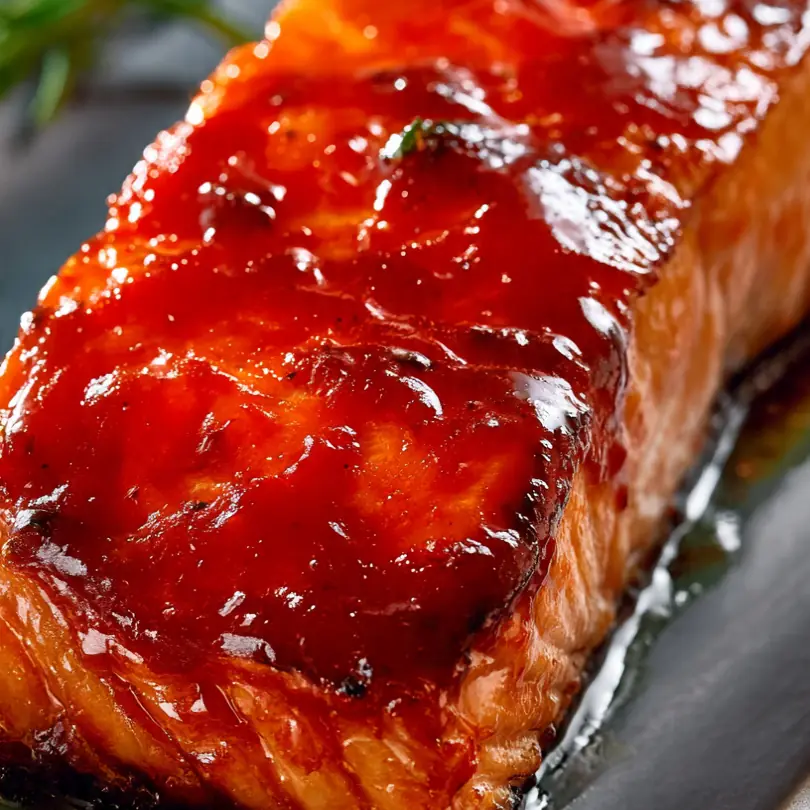
There’s a particular kind of magic that happens when a slick of fiery, sweet gochujang glaze meets the rich, oily flesh of a salmon fillet. Friends always ask me for this recipe after trying it at dinner parties, and I’m always happy to share it. This is my go-to recipe when I need something quick but impressive, and it has become a staple in our home for busy weeknights and relaxed weekend dinners alike.
Recipe Overview
- Prep Time: 10 minutes
- Cook Time: 15 minutes
- Total Time: 25 minutes
- Servings: 2 generous portions
- Difficulty: Easy
Why You’ll Love This Sweet & Spicy Gochujang Glazed Salmon
- Bold, Balanced Flavour: The deep, savoury heat of gochujang is tempered by a touch of honey and rice vinegar, creating a glossy, complex glaze that clings beautifully to the salmon.
- Restaurant-Quality at Home: This dish looks and tastes like something from a fine dining menu, yet it comes together in under half an hour with minimal fuss.
- Perfectly Cooked Fish Every Time: The method is straightforward and reliable, producing salmon that is flaky, moist, and never dry, with a caramelised, sticky exterior.
- Quick Weeknight Hero: With just 10 minutes of active preparation and a single pan to wash, this recipe is a lifesaver on those evenings when time is short but you still want a proper meal.
- Incredibly Versatile: The glaze is a powerhouse of flavour that works wonders on other proteins, tofu, or even roasted vegetables, making it a fantastic staple to have in your repertoire.

Ingredients You’ll Need
- 2 salmon fillets (about 150g each), skin on or off
- 2 tablespoons gochujang (Korean chilli paste)
- 2 tablespoons honey
- 1 tablespoon rice vinegar
- 1 tablespoon soy sauce or tamari
- 1 teaspoon toasted sesame oil
- 2 cloves garlic, finely grated
- 1 teaspoon finely grated fresh ginger
- 1 tablespoon neutral oil (such as vegetable or grapeseed)
- 1 spring onion, thinly sliced, for garnish
- 1 teaspoon toasted sesame seeds, for garnish
Tip: For the best results, use salmon fillets that are of even thickness so they cook uniformly. If your fillets have a thin tail end, simply fold it under before cooking to prevent it from drying out.
How to Make Sweet & Spicy Gochujang Glazed Salmon
- Prepare the glaze: In a small bowl, whisk together the gochujang, honey, rice vinegar, soy sauce, sesame oil, grated garlic, and grated ginger until you have a smooth, deep red paste. The aroma will be pungent, sweet, and savoury all at once.
- Pat the salmon dry: Use kitchen paper to gently pat the salmon fillets completely dry. This step is crucial – a dry surface will help the glaze stick and encourage a beautiful caramelised crust. The fish should feel slightly tacky to the touch.
- Sear the salmon: Heat the neutral oil in a non-stick frying pan over medium-high heat. When the oil shimmers and a drop of water sizzles on contact, carefully place the salmon fillets, skin-side down (if using skin-on fillets). You should hear a satisfying, vigorous sizzle. Cook for 3-4 minutes, until the skin is golden brown and crispy. The flesh will begin to turn opaque from the bottom.
- Flip and glaze: Gently flip the salmon using a fish slice. The seared side should be a deep, appetising gold. Reduce the heat to medium-low. Spoon half of the gochujang glaze over the top of each fillet, spreading it evenly. The glaze will look thick and glossy against the pale pink flesh.
- Finish in the pan: Cook for another 3-5 minutes, depending on the thickness of your fillets. The glaze will bubble and thicken, becoming sticky and aromatic. The salmon is done when it flakes easily with a fork and the centre is just cooked through – look for a translucent, coral-pink centre that is no longer raw.
- Rest and serve: Remove the pan from the heat. Let the salmon rest in the pan for 1-2 minutes. This allows the juices to redistribute. Transfer the fillets to serving plates, spoon any remaining glaze from the pan over the top, and garnish with sliced spring onion and toasted sesame seeds.
Tips From My Kitchen
- Don’t skip drying the salmon: Moisture is the enemy of a good sear. If the salmon is wet, it will steam instead of sear, resulting in a pale, soft exterior rather than a crisp, golden crust. Patting it dry ensures the Maillard reaction can take place, creating that deep flavour and appealing texture.
- Use a non-stick pan: Gochujang glazes are high in sugar, which can burn and stick to regular stainless steel or cast iron pans. A good non-stick pan makes the process foolproof, ensuring the glaze caramelises without scorching and the fish slides out effortlessly.
- Control the heat carefully: The honey in the glaze can burn quickly over high heat. Once you add the glaze after flipping the salmon, always reduce the heat to medium-low. The glaze should bubble gently, not furiously. If you see it darkening too quickly, lift the pan off the heat for a moment.
- Adjust the spice level to your taste: Gochujang has a moderate, pleasant heat, but you can easily dial it up or down. For a milder glaze, use a little less gochujang and add an extra teaspoon of honey. For more fire, add a pinch of gochugaru (Korean chilli flakes) or a drop of chilli oil to the glaze.
- Make extra glaze for serving: The recipe makes just enough to coat the salmon. If you like a saucy finish, double the glaze ingredients. You can simmer the extra in a small saucepan for a minute or two until it thickens, then drizzle it over the finished dish or your chosen side of rice or vegetables.
- Resting is non-negotiable: I know it’s tempting to serve immediately, but that brief rest makes a real difference. As the salmon sits, the juices that have been pushed to the surface during cooking redistribute throughout the flesh, resulting in a more succulent and tender bite.
Common Mistakes to Avoid
- Overcrowding the pan: If you try to cook more than two fillets at once in a standard pan, the temperature will drop, and the fish will steam rather than sear. Cook in batches if necessary, or use a larger pan. Each fillet needs space for the heat to circulate and create that golden crust.
- Wrong temperature: Cooking salmon over too low a heat will result in a pale, rubbery texture, while cooking it over too high a heat will burn the glaze before the fish is cooked through. Medium-high for the initial sear and medium-low after glazing is the sweet spot.
- Skipping the rest time: Cutting into the salmon immediately after cooking will cause the juices to run out onto the plate, leaving the fish dry. That short, two-minute rest allows the fibres to relax and hold onto their moisture, giving you a perfectly juicy fillet.
Delicious Variations to Try
- Spicy Version: For those who love serious heat, add 1-2 teaspoons of gochugaru (Korean red pepper flakes) to the glaze mixture. You can also finish the dish with a drizzle of chilli crisp oil for an extra layer of heat and texture.
- Vegetarian/Vegan Option: This glaze is spectacular on thick slices of firm tofu or halloumi. For a vegan version, use extra-firm tofu, press it well, and follow the same searing and glazing method. The result is just as sticky, savoury, and satisfying.
- Different Protein: The glaze is not just for salmon. It works beautifully on chicken thighs, prawns, or even a thick fillet of white fish like cod or halibut. If you enjoy white fish, you might also like our Garlic Butter Seared White Fish Recipe Light for a different flavour profile.
What to Serve With Sweet & Spicy Gochujang Glazed Salmon
- Steamed jasmine rice or sticky brown rice to soak up the extra glaze.
- A simple side of steamed or stir-fried bok choy, tenderstem broccoli, or green beans.
- A crisp, refreshing cucumber and sesame salad with a light rice vinegar dressing.
- For a heartier meal, try it alongside our Spicy Chicken Power Bowl Recipe High Protein for a protein-packed feast.
- Quick pickled radishes or carrots add a bright, acidic contrast to the rich, sweet glaze.
Frequently Asked Questions
Sweet & Spicy Gochujang Glazed Salmon
Ingredients
Method
- Prepare the glaze: In a small bowl, whisk together the gochujang, honey, rice vinegar, soy sauce, sesame oil, grated garlic, and grated ginger until you have a smooth, deep red paste. The aroma will be pungent, sweet, and savoury all at once.
- Pat the salmon dry: Use kitchen paper to gently pat the salmon fillets completely dry. This step is crucial – a dry surface will help the glaze stick and encourage a beautiful caramelised crust. The fish should feel slightly tacky to the touch.
- Sear the salmon: Heat the neutral oil in a non-stick frying pan over medium-high heat. When the oil shimmers and a drop of water sizzles on contact, carefully place the salmon fillets, skin-side down (if using skin-on fillets). You should hear a satisfying, vigorous sizzle. Cook for 3-4 minutes, until the skin is golden brown and crispy. The flesh will begin to turn opaque from the bottom.
- Flip and glaze: Gently flip the salmon using a fish slice. The seared side should be a deep, appetising gold. Reduce the heat to medium-low. Spoon half of the gochujang glaze over the top of each fillet, spreading it evenly. The glaze will look thick and glossy against the pale pink flesh.
- Finish in the pan: Cook for another 3-5 minutes, depending on the thickness of your fillets. The glaze will bubble and thicken, becoming sticky and aromatic. The salmon is done when it flakes easily with a fork and the centre is just cooked through – look for a translucent, coral-pink centre that is no longer raw.
- Rest and serve: Remove the pan from the heat. Let the salmon rest in the pan for 1-2 minutes. This allows the juices to redistribute. Transfer the fillets to serving plates, spoon any remaining glaze from the pan over the top, and garnish with sliced spring onion and toasted sesame seeds.
Notes
I hope this Sweet & Spicy Gochujang Glazed Salmon becomes a beloved recipe in your kitchen, just as it has in mine. It’s the kind of dish that makes a simple Wednesday evening feel a little bit special. If you give it a try, I’d love to hear how you got on – feel free to leave a comment below and share your experience!