Cottage Cheese Alfredo Pasta (High-Protein & Creamy)
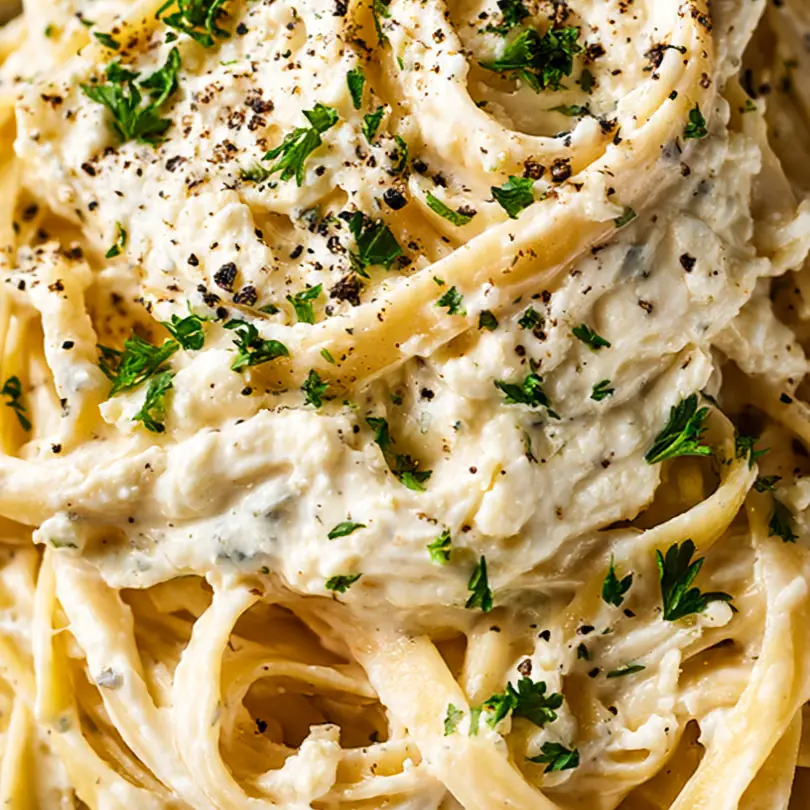
I have a confession to make: for years, I thought a truly creamy, indulgent pasta sauce required a whole tub of double cream and a mountain of butter. Then, on a trip to a small trattoria in Emilia-Romagna, I had a pasta dish that was impossibly silky and rich, yet felt strangely light. When I asked the chef, he just winked and pointed to a tub of ricotta. That moment sparked an obsession, and after countless experiments in my own kitchen, I landed on this version using cottage cheese. Friends always ask me for this recipe after trying it at dinner parties, and they can never quite believe the secret ingredient. This is not a diet pasta; it is genuinely luxurious, satisfying, and packed with protein to keep you going.
Recipe Overview
- Prep Time: 10 minutes
- Cook Time: 15 minutes
- Total Time: 25 minutes
- Servings: 4 generous portions
- Difficulty: Easy
Why You’ll Love This Cottage Cheese Alfredo Pasta (High-Protein & Creamy)
- Unbelievably Creamy Without the Cream: The cottage cheese blends into a velvety sauce that coats every strand of pasta, delivering that classic Alfredo mouthfeel without any double cream.
- High-Protein Powerhouse: Each serving packs around 30-35g of protein, thanks to the cottage cheese and a touch of Parmesan. This is a dinner that genuinely fuels your body.
- No-Fuss, One-Pan Sauce: Everything comes together in the same pan you cook your pasta in, meaning less washing up and a sauce that emulsifies perfectly with the starchy pasta water.
- Customisable Base: This sauce is a brilliant canvas. Add roasted vegetables, grilled chicken, or garlicky prawns. It also works beautifully with our Creamy Garlic Herb Chicken Recipe Skillet Meal for an extra protein boost.
- Foolproof Emulsion: Unlike traditional cream-based sauces that can split, this sauce is remarkably stable. The protein in the cottage cheese helps create a robust emulsion that holds together beautifully, even when reheated.
Ingredients You’ll Need
- 400g dried pasta (fettuccine, tagliatelle, or pappardelle work best)
- 250g full-fat cottage cheese (at room temperature)
- 60g freshly grated Parmesan cheese, plus extra for serving
- 3 cloves garlic, finely minced
- 2 tablespoons unsalted butter
- 1 tablespoon olive oil
- 200ml reserved pasta cooking water (you may not need all of it)
- ½ teaspoon freshly ground black pepper
- ¼ teaspoon grated nutmeg (optional, but highly recommended)
- Pinch of sea salt (go easy – the Parmesan is salty)
- Small handful of fresh parsley, finely chopped (for garnish)
Tip: Please use full-fat cottage cheese for this recipe. The low-fat versions contain too much water and will result in a thin, grainy sauce that lacks the luxurious texture we are after. Let it sit on the counter for 15 minutes while you prep everything else to take the chill off.
How to Make Cottage Cheese Alfredo Pasta (High-Protein & Creamy)
- Start the pasta. Bring a large pot of generously salted water to a rolling boil. Add your pasta and cook according to package directions until al dente. About two minutes before the pasta is done, use a heatproof mug to scoop out about 250ml of the starchy, cloudy water. Set this aside. Drain the pasta in a colander, giving it a good shake, but do not rinse it – you want that starch to help the sauce cling.
- Blitz the cottage cheese. While the pasta cooks, add the room-temperature cottage cheese to a blender or food processor. Blitz on high for 45 seconds to 1 minute, until the mixture is completely smooth and looks like thick, creamy yogurt. There should be no visible lumps or curds. Scrape down the sides halfway through. Set aside.
- Sizzle the garlic. In the same large frying pan or skillet you will use for the sauce, warm the olive oil and butter over a medium heat. Once the butter has melted and is gently foaming – you will hear a soft, happy sizzle – add the minced garlic. Cook for 45 to 60 seconds, stirring constantly, until the garlic is fragrant and just turning a pale gold at the edges. It should smell nutty and sweet, not sharp or burnt.
- Create the creamy base. Reduce the heat to low. Pour the blitzed cottage cheese into the pan with the garlic butter. Stir immediately to combine. The mixture will look slightly thick and pale. Add the grated Parmesan cheese and the nutmeg, if using, and stir until the Parmesan has fully melted into the sauce. You will see the sauce become noticeably silkier and glossier in texture.
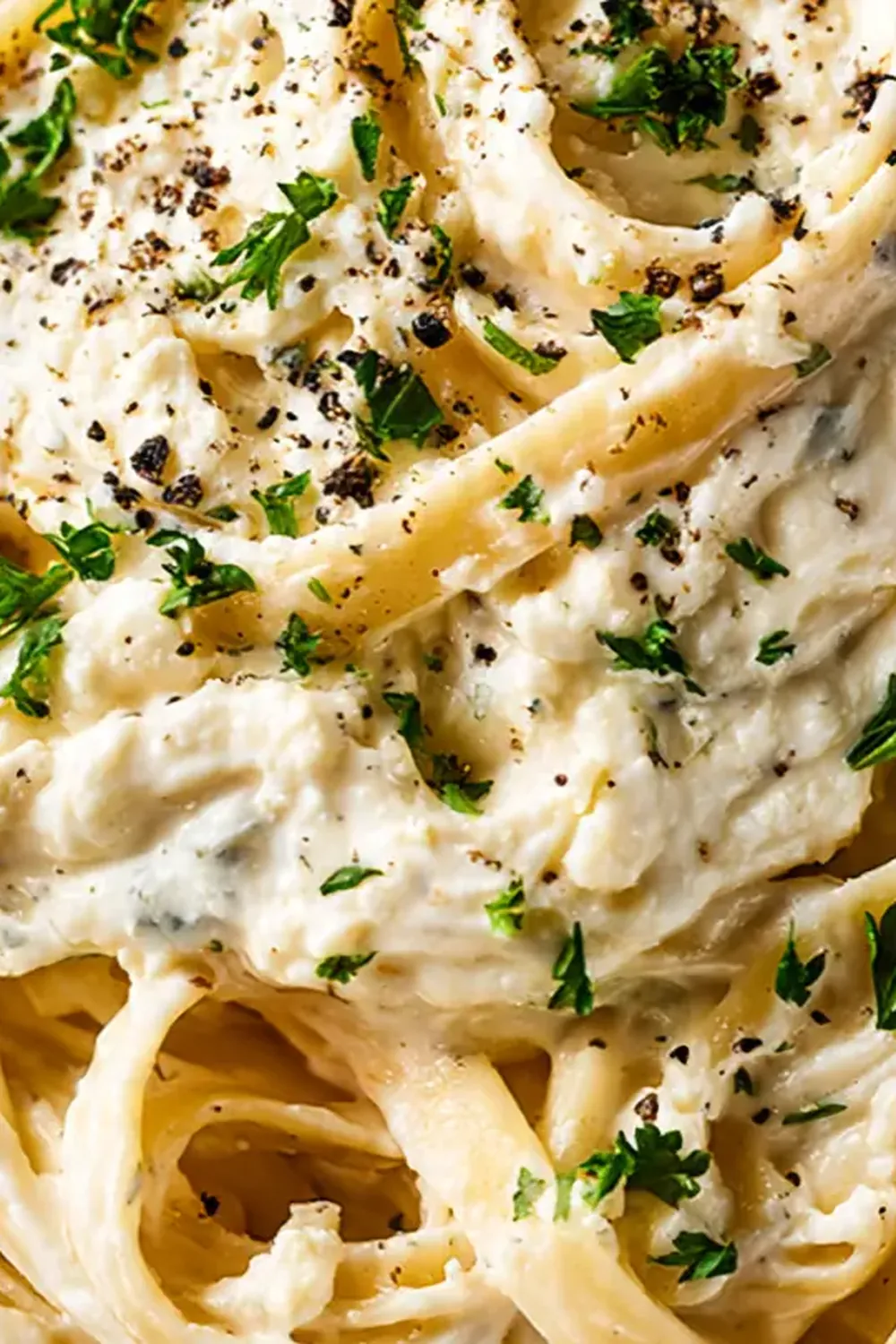
- Emulsify with pasta water. Now, ladle in about 100ml of your reserved pasta water, stirring vigorously with a wooden spoon. The sauce will loosen up and become very fluid. Keep stirring for about a minute – you will see it start to thicken slightly as the starch from the water works its magic. The colour will become a warm, creamy ivory.
- Marry the pasta and sauce. Add the drained pasta directly to the pan. Using tongs, toss and turn the pasta through the sauce for a full 60 to 90 seconds. This is the most important step. You want the pasta to drink up the sauce. As you toss, the sauce will reduce and coat every strand beautifully. If the sauce looks too tight, add another splash of pasta water. You are looking for a sauce that clings to the pasta but still moves freely in the pan – think of it like a silky, glossy blanket.
- Finish and serve. Turn off the heat. Sprinkle over the fresh parsley and grind over a generous amount of black pepper. Toss one final time. Serve immediately in warm bowls, with extra grated Parmesan on the side. The pasta should be steaming hot and the sauce perfectly emulsified – not a drop of oil should be separating.
Tips From My Kitchen
- Temperature is everything for the cottage cheese: Do not skip bringing the cottage cheese to room temperature. Cold cottage cheese, straight from the fridge, will cause the butter and cheese in the pan to seize up, resulting in a clumpy, broken sauce. Let it sit out for 15-20 minutes, or if you are in a rush, place the sealed tub in a bowl of lukewarm water for 5 minutes. The sauce will come together in seconds when everything is at a similar temperature.
- Blitz until your blender feels like it is going to take off: This is not a recipe for chunky cottage cheese. You need to blitz it for a full minute until it is as smooth as double cream. If your blender leaves a few tiny curds, the sauce will have a slightly grainy texture. A high-speed blender works best, but a food processor or even an immersion blender in a tall jug will work – just be patient and blitz thoroughly.
- Reserve more pasta water than you think you need: I always scoop out a full 250ml of pasta water, even if I only use half. The starch content in this water is the unsung hero of the dish. It helps bind the sauce to the pasta and gives it that glossy, restaurant-quality finish. If your sauce becomes too thick while tossing, a splash of hot water will revive it instantly. Never use plain tap water – it will make the sauce watery and thin.
- Go low and slow with the garlic: Garlic burns in seconds, and burnt garlic tastes bitter and acrid, ruining the delicate sweetness of the sauce. Keep the heat at medium-low and stir the garlic constantly. As soon as you smell that sweet, nutty aroma and see the edges just begin to colour, it is time to add the cottage cheese. Your nose is your best timer here.
- Toss, do not stir: Once the pasta goes in, use tongs to lift and turn the pasta over itself, rather than stirring it in circles with a spoon. This tossing action aerates the sauce and helps it coat every strand evenly. It also prevents the pasta from clumping together. Think of it like folding a soufflé – gentle, confident lifts. You will see the sauce cling to the pasta and become glossy and cohesive.
- Grate your own Parmesan: Pre-grated cheese contains anti-caking agents like cellulose, which prevent it from melting smoothly. For a sauce this simple, the quality of the Parmesan matters enormously. A block of Parmigiano-Reggiano, finely grated on a Microplane or the small holes of a box grater, will melt into the sauce like a dream, adding a nutty, salty depth that pre-shredded cheese simply cannot match.
Equipment You’ll Need
- Large pot for boiling the pasta
- Colander for draining
- Large frying pan or wide skillet (non-stick or stainless steel)
- Tongs or a pasta fork for tossing
- Blender or food processor for the sauce
- Wooden spoon or silicone spatula
- Heatproof measuring jug for pasta water
Common Mistakes to Avoid
- Overcrowding the pan: If your frying pan is too small, the pasta will steam instead of being tossed in the sauce. This leads to a clumpy, dry dish. Use a pan wide enough that the pasta has room to move freely. If you are doubling the recipe, cook the pasta in batches or use a very large sauté pan. A crowded pan traps steam and prevents the sauce from reducing and coating properly.
- Wrong temperature: Heat is the enemy of a good cottage cheese sauce. If the heat is too high when you add the cheese, the proteins will seize and the sauce will become grainy and may even split. Keep the heat on low once the cottage cheese goes into the pan. The residual heat from the pan and the hot pasta water is sufficient to warm everything through. You want to warm the sauce, not boil it.
- Skipping the rest time: This pasta is best served immediately, but if you need to hold it for a few minutes, do not leave it in the hot pan. Transfer it to a warmed serving bowl and cover it loosely with foil. Leaving it in the pan over residual heat will cause the sauce to thicken too much and eventually dry out. A quick toss with a splash of hot pasta water before serving will bring it back to life.
What to Serve With Cottage Cheese Alfredo Pasta (High-Protein & Creamy)
- A simple green salad with a sharp lemon vinaigrette to cut through the richness.
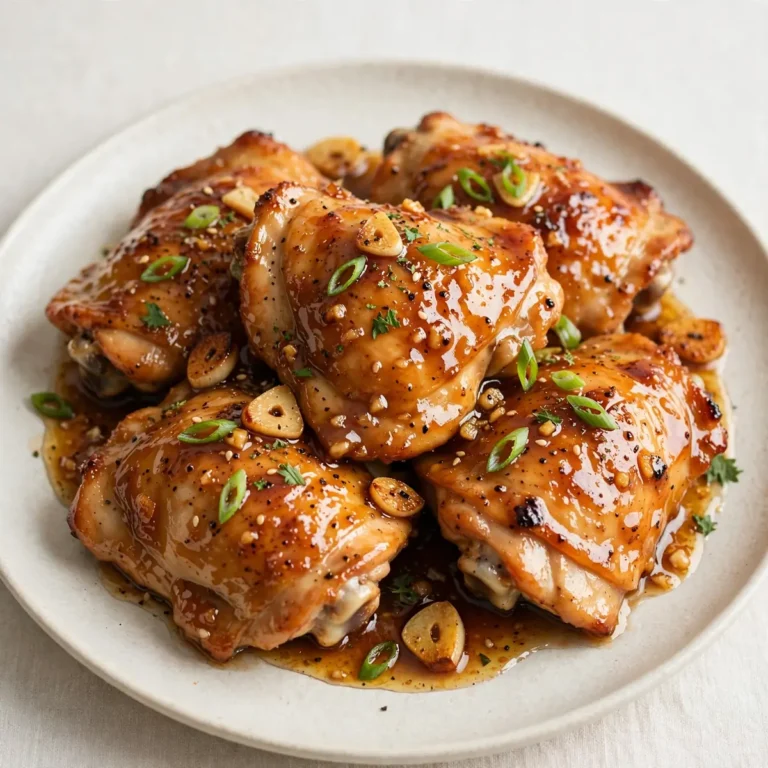
- Grilled or roasted chicken thighs – try our Glazed Chicken Recipe Sticky Sweet Dinner for a lovely sweet-savoury contrast.
- Steamed tenderstem broccoli or asparagus spears, drizzled with a little olive oil and lemon juice.
- Garlic bread or crusty sourdough to mop up any remaining sauce from the bowl.
Frequently Asked Questions
Cottage Cheese Alfredo Pasta (High-Protein & Creamy)
Ingredients
Method
- Start the pasta. Bring a large pot of generously salted water to a rolling boil. Add your pasta and cook according to package directions until al dente. About two minutes before the pasta is done, use a heatproof mug to scoop out about 250ml of the starchy, cloudy water. Set this aside. Drain the pasta in a colander, giving it a good shake, but do not rinse it – you want that starch to help the sauce cling.
- Blitz the cottage cheese. While the pasta cooks, add the room-temperature cottage cheese to a blender or food processor. Blitz on high for 45 seconds to 1 minute, until the mixture is completely smooth and looks like thick, creamy yogurt. There should be no visible lumps or curds. Scrape down the sides halfway through. Set aside.
- Sizzle the garlic. In the same large frying pan or skillet you will use for the sauce, warm the olive oil and butter over a medium heat. Once the butter has melted and is gently foaming – you will hear a soft, happy sizzle – add the minced garlic. Cook for 45 to 60 seconds, stirring constantly, until the garlic is fragrant and just turning a pale gold at the edges. It should smell nutty and sweet, not sharp or burnt.
- Create the creamy base. Reduce the heat to low. Pour the blitzed cottage cheese into the pan with the garlic butter. Stir immediately to combine. The mixture will look slightly thick and pale. Add the grated Parmesan cheese and the nutmeg, if using, and stir until the Parmesan has fully melted into the sauce. You will see the sauce become noticeably silkier and glossier in texture.
- Emulsify with pasta water. Now, ladle in about 100ml of your reserved pasta water, stirring vigorously with a wooden spoon. The sauce will loosen up and become very fluid. Keep stirring for about a minute – you will see it start to thicken slightly as the starch from the water works its magic. The colour will become a warm, creamy ivory.
- Marry the pasta and sauce. Add the drained pasta directly to the pan. Using tongs, toss and turn the pasta through the sauce for a full 60 to 90 seconds. This is the most important step. You want the pasta to drink up the sauce. As you toss, the sauce will reduce and coat every strand beautifully. If the sauce looks too tight, add another splash of pasta water. You are looking for a sauce that clings to the pasta but still moves freely in the pan – think of it like a silky, glossy blanket.
- Finish and serve. Turn off the heat. Sprinkle over the fresh parsley and grind over a generous amount of black pepper. Toss one final time. Serve immediately in warm bowls, with extra grated Parmesan on the side. The pasta should be steaming hot and the sauce perfectly emulsified – not a drop of oil should be separating.
Notes
I hope this recipe becomes a staple in your kitchen the way it has in mine. It is the kind of dinner that feels both nourishing and indulgent, something you can whip up on a busy Tuesday but is special enough to serve to guests. I would love to hear how you get on – drop a comment below and let me know your favourite way to serve it, or any twists you added to make it your own. Happy cooking!