How to Stock a Pantry for Last-Minute Meals
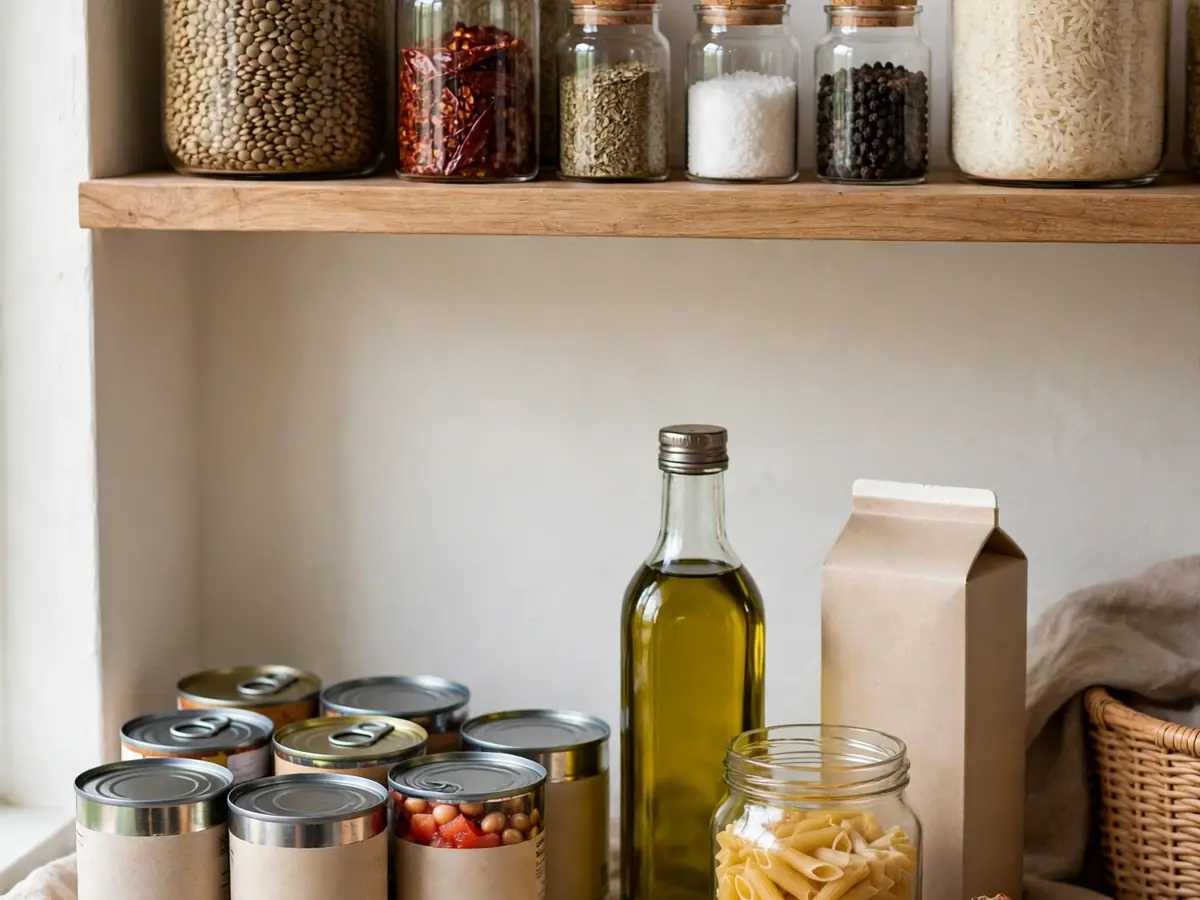
There is a particular kind of dinner emergency that every home cook recognizes: it is 6:30 p.m., the refrigerator holds half a lemon and a suspicious jar of olives, and the idea of ordering takeout for the third time this week feels both expensive and slightly defeatful. The antidote is not a bigger refrigerator or a more elaborate meal plan. It is a pantry built with intention — one that assumes some nights will be chaotic and that dinner still needs to happen in under thirty minutes.
Stocking for last-minute meals is a different exercise than stocking for a long-term emergency. You are not preparing for a month without grocery stores; you are preparing for a Tuesday. That means prioritizing quick-cooking proteins, shelf-stable bases, high-flavor shortcuts, and a small set of ingredients that combine well in many directions. This guide covers what to buy, how much to buy, how to store it, and how to turn it into actual meals — including three complete recipes you can make entirely from pantry staples.
The Core Principle: Build a Pantry That Can Improvise
A last-minute pantry works when its contents overlap. If you buy twelve unrelated specialty items, you will still struggle to assemble dinner. If you buy a smaller set of versatile ingredients — canned tomatoes, chickpeas, pasta, rice, coconut milk, tuna, olive oil, garlic — those items can combine into dozens of meals without a shopping trip.
Aim for three categories working together:
- Bases: pasta, rice, couscous, canned tomatoes, broth, coconut milk.
- Proteins: canned beans and chickpeas, canned tuna or salmon, shelf-stable tofu, eggs (refrigerated but essential), cured sausage or anchovies for flavor.
- Flavor builders: olive oil, vinegar, soy sauce, chili crisp or dried chili flakes, garlic, onions, spices, Parmesan or another hard cheese, capers or olives.
When these three layers are present, a meal is rarely more than twenty minutes away.
Exact Quantities for a Two-Person Last-Minute Pantry
The following quantities suit a household of two that cooks at home four to five nights per week, with roughly two of those nights being last-minute. Scale up proportionally for larger households.
Dry Goods and Starches
- Dried pasta (spaghetti and a short shape such as penne): 2 lb (900 g) total
- Long-grain rice: 3 lb (1.35 kg)
- Couscous or quick-cooking bulgur: 1 lb (450 g)
- Rolled oats: 2 lb (900 g)
- Canned tomatoes (diced or crushed): 6 cans, 14 oz (400 g) each
- Canned chickpeas: 3 cans, 15 oz (425 g) each
- Canned beans (black or white): 3 cans, 15 oz (425 g) each
- Canned coconut milk (full-fat): 2 cans, 13.5 oz (400 ml) each
- Canned tuna or salmon: 3 cans, 5 oz (142 g) each
- Chicken or vegetable broth: 4 quarts (about 3.8 L), cartons or concentrate
- Peanut butter or tahini: 1 jar, 16 oz (450 g)
Oils, Acids, and Condiments
- Olive oil: 1 quart (1 L)
- Neutral oil: 1 quart (1 L)
- Soy sauce: 10 oz (300 ml)
- Red or white wine vinegar: 16 oz (500 ml)
- Dijon mustard: 1 jar, 8 oz (225 g)
- Chili crisp or dried red pepper flakes: 1 jar or 1 oz (30 g)
- Honey or maple syrup: 12 oz (340 g)
- Capers or pitted olives: 1 jar each
- Anchovy fillets in oil: 1 small tin
Aromatics, Spices, and Cheese
- Garlic: 2 heads
- Yellow onions: 4
- Kosher salt and black pepper
- Ground cumin, smoked paprika, dried oregano, curry powder, bay leaves
- Parmesan or pecorino: 8 oz (225 g), refrigerated
- Eggs: 12
Storage Guidance That Actually Matters
Pantry stocking fails most often at the storage stage, not the shopping stage. A few practical rules:
- Transfer grains and flours into airtight containers. Clear square containers stack efficiently and let you see what is running low. Label with the date of purchase.
- Keep canned goods in a cool, dry place below 75°F (24°C). High heat degrades texture and flavor over months. Do not store cans directly on a concrete floor, which can cause rust.
- Store oils away from the stove. Heat and light accelerate rancidity. A dark cabinet within arm’s reach of your prep area is ideal.
- Refrigerate hard cheese wrapped in parchment, then loosely in foil. It keeps for three to four weeks this way, far longer than plastic wrap allows.
- Keep eggs in their carton on a middle shelf, not in the door, where temperature fluctuates.
- Rotate as you shop. Put new cans behind old ones and use the oldest first. A quick marker date on each can lid takes seconds.
Three Complete Last-Minute Meals From the Pantry
Each recipe below uses only ingredients from the list above, plus water and salt. All serve two.
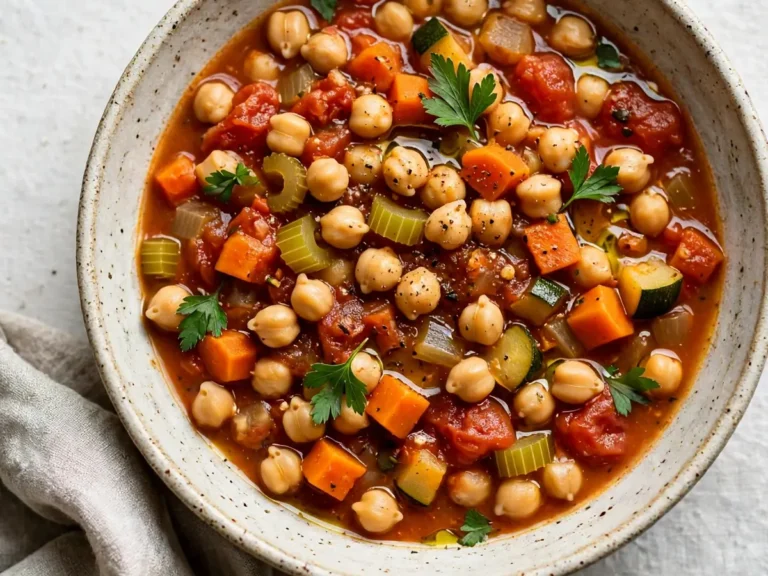
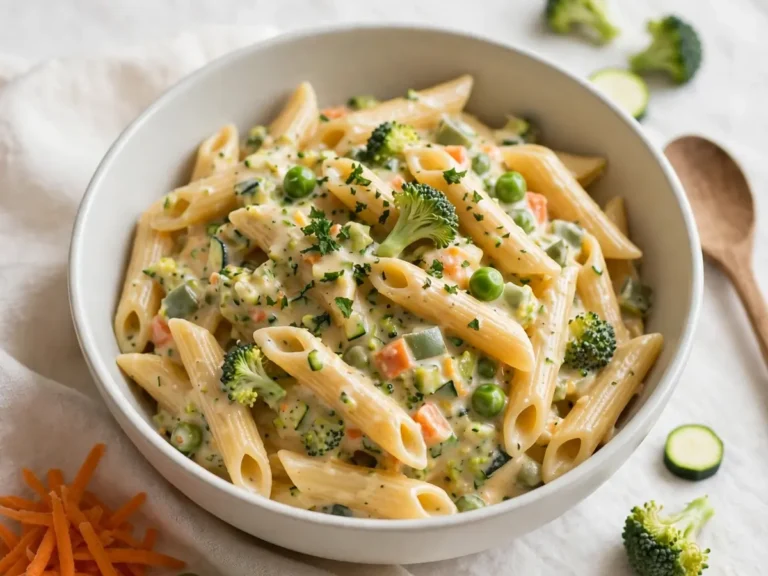
Recipe 1: Pantry Pasta With Chickpeas and Garlicky Tomato Sauce
Prep time: 5 minutes | Cook time: 18 minutes | Servings: 2
Ingredients:
- 8 oz (225 g) spaghetti or penne
- 3 tbsp (45 ml) olive oil
- 4 garlic cloves, thinly sliced
- 1/2 tsp (2 g) dried red pepper flakes
- 1 can (14 oz / 400 g) diced tomatoes
- 1 can (15 oz / 425 g) chickpeas, drained and rinsed
- 1/2 tsp (3 g) kosher salt, plus more for pasta water
- 1/4 tsp (1 g) black pepper
- 1 oz (30 g) Parmesan, finely grated
- 1 tbsp (15 ml) red wine vinegar
Instructions:
- Bring a large pot of generously salted water to a boil. Add the pasta and cook according to package directions until al dente, about 9 to 11 minutes. Reserve 1/2 cup (120 ml) of pasta water before draining.
- While the pasta cooks, heat the olive oil in a wide skillet over medium heat. Add the garlic and red pepper flakes and cook, stirring, for 60 to 90 seconds until fragrant but not browned.
- Add the diced tomatoes, chickpeas, salt, and black pepper. Simmer over medium heat for 8 minutes, stirring occasionally, until the sauce thickens slightly and the chickpeas are heated through.
- Add the drained pasta to the skillet along with 1/4 cup (60 ml) of the reserved pasta water. Toss over medium heat for 1 minute; add more pasta water a splash at a time if the sauce looks dry.
- Remove from heat. Stir in the vinegar and half the Parmesan. Taste and adjust salt.
- Divide between two bowls and finish with the remaining Parmesan.
Substitutions: White beans for chickpeas; crushed tomatoes for diced; sherry vinegar or lemon juice for red wine vinegar. Storage: Refrigerate leftovers up to 3 days; reheat with a splash of water in a covered pan.
Recipe 2: Coconut Chickpea Curry With Rice
Prep time: 5 minutes | Cook time: 20 minutes | Servings: 2
Ingredients:
- 1 cup (200 g) long-grain rice
- 2 tbsp (30 ml) neutral oil
- 1 medium onion, finely chopped
- 3 garlic cloves, minced
- 1 tbsp (6 g) curry powder
- 1/2 tsp (1 g) ground cumin
- 1 can (15 oz / 425 g) chickpeas, drained and rinsed
- 1 can (13.5 oz / 400 ml) full-fat coconut milk
- 1/2 tsp (3 g) kosher salt
- 1 tbsp (15 ml) soy sauce
- 1 tsp (5 ml) honey
Instructions:
- Rinse the rice under cold water until the water runs mostly clear. Combine with 1 3/4 cups (420 ml) water and a pinch of salt in a small saucepan. Bring to a boil, cover, reduce heat to low, and cook for 15 minutes. Remove from heat and rest, covered, for 5 minutes.
- Meanwhile, heat the oil in a deep skillet over medium heat. Add the onion and cook for 5 minutes until softened and translucent.
- Add the garlic, curry powder, and cumin. Stir constantly for 45 seconds until fragrant.
- Add the chickpeas, coconut milk, salt, soy sauce, and honey. Bring to a gentle simmer and cook uncovered for 10 minutes, stirring occasionally, until slightly thickened.
- Taste and adjust salt. Serve over the rice.
Substitutions: Dried chili flakes for part of the curry powder; black beans for chickpeas; 1 tbsp (15 ml) lime juice for the honey if you prefer a sharper finish. Storage: Refrigerate up to 4 days; the curry thickens as it sits, so loosen with water when reheating.
Recipe 3: Tuna, White Bean, and Caper Salad With Mustard Vinaigrette
Prep time: 10 minutes | Cook time: 0 minutes | Servings: 2
Ingredients:
- 2 cans (5 oz / 142 g each) tuna, drained
- 1 can (15 oz / 425 g) white beans, drained and rinsed
- 2 tbsp (30 ml) capers, drained
- 1/4 small red or yellow onion, very thinly sliced (about 3 tbsp)
- 3 tbsp (45 ml) olive oil
- 1 tbsp (15 ml) red wine vinegar
- 1 tsp (5 g) Dijon mustard
- 1/4 tsp (1 g) kosher salt
- 1/4 tsp (1 g) black pepper
- 1 oz (30 g) Parmesan, shaved (optional)
Instructions:
- Whisk the olive oil, vinegar, mustard, salt, and pepper in a small bowl until emulsified.
- Combine the tuna, white beans, capers, and onion in a medium bowl, breaking the tuna into large flakes with a fork.
- Pour the dressing over the salad and fold gently to combine. Let sit for 5 minutes so the onion mellows.
- Divide between two plates and top with shaved Parmesan if using.
Substitutions: Canned salmon for tuna; chickpeas for white beans; lemon juice for vinegar. Storage: Refrigerate up to 2 days; refresh with a teaspoon of olive oil before serving.
Practical Tips for Keeping the System Working
- Shop the pantry list monthly, not weekly. A short monthly top-up keeps the system stocked without turning into a chore.
- Keep a “use first” shelf. Designate one shelf for items nearing their date so they get used rather than forgotten.
- Buy concentrated broth. Better-than-bouillon-style pastes take a fraction of the space of cartons and last far longer.
- Freeze hard cheese rinds and add them to simmering beans or soups for depth.
- Label spice jars with purchase dates. Ground spices lose potency after about a year; replace them rather than doubling quantities.
- Do a five-minute pantry audit before each grocery run so you restock what you actually used rather than what you think you used.
For more weeknight-friendly ideas, browse the Cuisinebite blog, where you will find approachable recipes built around everyday ingredients.
Frequently Asked Questions
How long do canned goods actually last in a pantry?
Most canned goods remain at peak quality for two to three years from the date of purchase, and many stay safe well beyond that as long as the can is undamaged. Discard any can that is bulging, leaking, or deeply dented along a seam. Store cans below 75°F (24°C) and rotate older cans to the front so they get used first.
What is the single most useful ingredient to keep for last-minute meals?
Canned chickpeas are hard to beat. They are ready to eat straight from the can, work in hot and cold dishes, take on almost any flavor profile, and add protein and substance to pasta, curry, salads, and soups. Canned tomatoes and dried pasta are close runners-up, but chickpeas offer the most flexibility in the fewest steps.
Can I build a last-minute pantry without a large budget?
Yes. The most expensive part of pantry stocking is the initial build, not maintenance. Start with a short list of staples — pasta, rice, canned tomatoes, canned beans, olive oil, onions, and garlic — and add one or two items per week. Store-brand canned goods and dried staples are typically indistinguishable from name brands in cooked dishes.
How do I keep pantry staples from going stale or rancid?
Three factors matter most: moisture, heat, and light. Transfer grains, flours, and spices into airtight containers, store oils and nuts away from the stove and direct sunlight, and keep the pantry dry. Whole spices and nuts last longer in the freezer if you have space. Check oils by smell before using them — a faintly crayon-like or bitter aroma means they have turned.
What should I do if I have a pantry but still cannot think of what to cook?
Use a formula rather than a recipe. Pick one base (pasta, rice, or couscous), one protein (beans, tuna, or eggs), one sauce or flavor base (tomato, coconut milk, or a mustard vinaigrette), and one finishing touch (cheese, capers, chili crisp, or vinegar). Almost any combination of those four elements produces a coherent meal in under thirty minutes.