Grilling Times and Temperatures Cheat Sheet
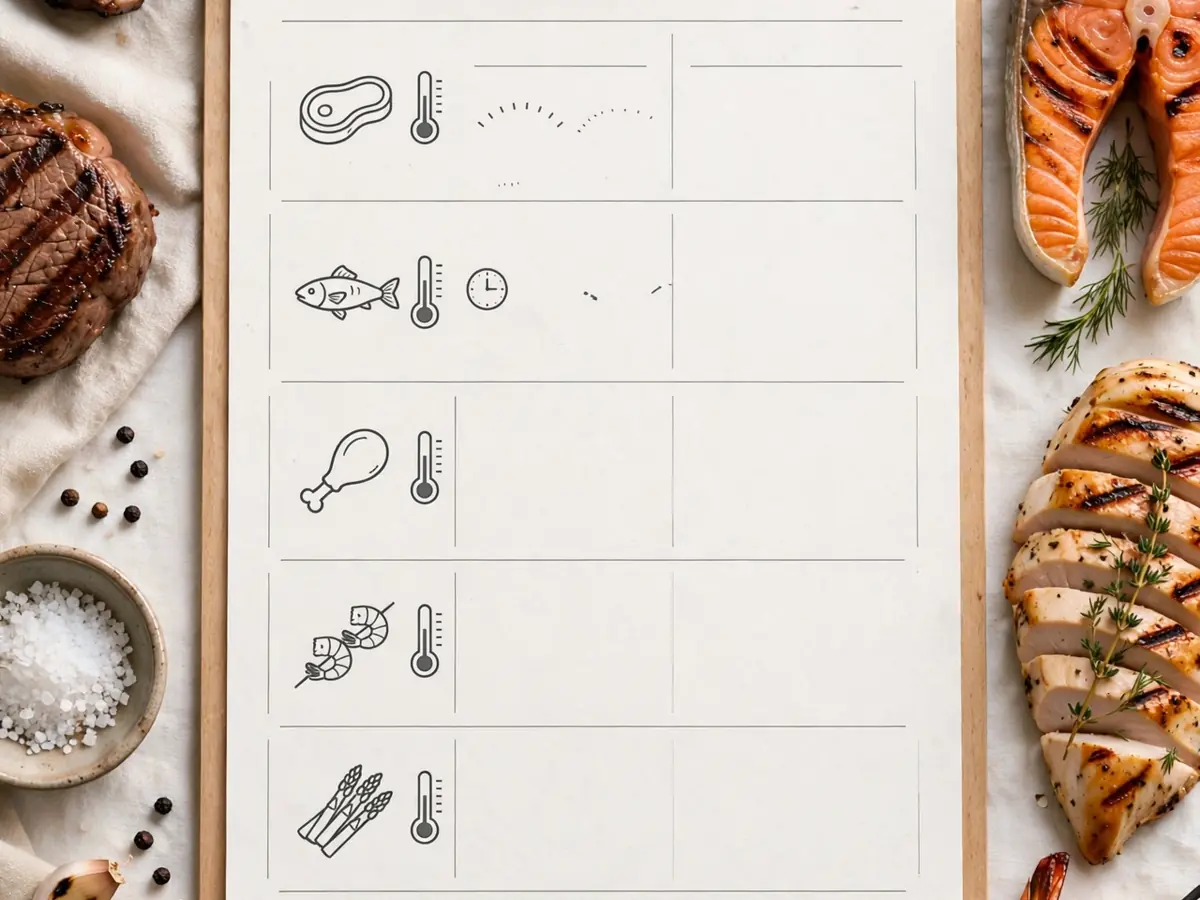
Grilling rewards confidence, and confidence comes from knowing two numbers: the temperature of the fire and the temperature of the food. Everything else — the marinade, the rub, the perfect char marks — follows from those two figures. This cheat sheet is built to be printed, pinned inside a cabinet door, or saved on a phone for quick reference. It covers the grill setups, the doneness targets, and the realistic timing windows for the foods most people cook over live fire, plus the quantities, equipment, and step-by-step method for a full mixed grill so you can put the whole chart into practice tonight.
Why Temperature Beats Timing Every Time
Timing is a helpful estimate; temperature is a measurement. A chicken breast cooked over a hot zone on a windy evening will finish several minutes faster than the same breast on a still day with a partially clogged burner. Rather than memorizing minutes alone, use the times in this guide as a planning window and confirm doneness with an instant-read thermometer inserted into the thickest part of the food, avoiding bone and fat. Carryover cooking matters too: a large steak or a whole chicken will rise 3–7°C (5–12°F) after it leaves the grill, so pull it slightly before the target and rest it.
Two temperatures matter on the grill side as well. Direct heat means food sits over the flame or coals — ideal for thin cuts, skewers, and anything that needs a crust. Indirect heat means the fire is on one side and the food on the other, with the lid closed — ideal for thicker cuts, whole birds, and anything that would burn before it cooks through. Most of the timing differences in this cheat sheet come down to which of those two zones you choose.
The Grill Setup Cheat Sheet
Before any food hits the grates, set up your zones and equipment. These are the baseline configurations referenced throughout the tables below.
- Two-zone setup (gas): Light all burners on high for 10–15 minutes with the lid closed, scrape and oil the grates, then turn off the burners on one side. The lit side is direct heat; the unlit side is indirect.
- Two-zone setup (charcoal): Light a chimney starter with about 4 litres (roughly 80–100 briquettes) and burn until gray-ashed, 15–20 minutes. Pour coals over one half of the charcoal grate. Lid vents stay over the food side to draw smoke across it.
- Grate temperature check: Hold your palm about 12 cm (5 inches) above the grate. Count seconds until you must pull away: 2 seconds = high heat (230–290°C / 450–550°F), 4 seconds = medium-high (200–230°C / 400–450°F), 6 seconds = medium (175–200°C / 350–400°F), 8–10 seconds = low (120–175°C / 250–350°F).
- Essential equipment: instant-read thermometer, long tongs, a stiff wire grill brush, a small bowl of neutral oil (about 60 ml / ¼ cup) with folded paper towels for oiling grates, a rimmed sheet pan for carrying food, and heavy-duty foil for resting.
Beef: Steaks, Burgers, and Roasts
Season beef generously with salt — about 4 g (¾ teaspoon) fine salt per 450 g (1 lb) of meat — at least 40 minutes before grilling, or up to 24 hours ahead and refrigerated. Pat dry before it hits the grates.
| Cut | Thickness / Weight | Heat | Approx. Time | Pull at (internal) |
|---|---|---|---|---|
| Ribeye or strip steak | 2.5 cm / 1 in | Direct, high | 4–5 min per side | 52°C / 125°F (medium-rare) |
| Flank steak | 2 cm / ¾ in | Direct, medium-high | 5–6 min per side | 54°C / 130°F |
| Beef burgers (150 g / 5 oz patties) | 2 cm / ¾ in | Direct, medium-high | 4 min per side | 71°C / 160°F |
| Beef tenderloin roast | 1–1.5 kg / 2–3 lb | Sear direct, finish indirect | 25–35 min total | 52–55°C / 125–130°F |
Rest steaks and roasts on a board for 5–10 minutes before slicing; burgers need 3 minutes. Slice flank steak against the grain into 1 cm strips.
Pork: Chops, Tenderloin, and Ribs
Modern guidance is to cook pork to 63°C (145°F) with a 3-minute rest for chops and loin — the meat will be blush-pink and juicy, not dry. Ribs are the exception: they need low, slow heat until tender.
| Cut | Thickness / Weight | Heat | Approx. Time | Pull at (internal) |
|---|---|---|---|---|
| Bone-in pork chops | 2.5 cm / 1 in | Direct, medium-high | 5–7 min per side | 63°C / 145°F |
| Pork tenderloin | 450–550 g / 1–1.2 lb | Sear direct, finish indirect | 20–25 min total | 63°C / 145°F |
| Baby back ribs | 1 rack, 800 g–1 kg | Indirect, low (150°C / 300°F) | 2–2½ hours | 88–93°C / 190–200°F |
| Pork sausages | Standard links | Direct, medium, turning often | 12–15 min | 71°C / 160°F |
For ribs, remove the membrane from the bone side, apply a rub of 2 tablespoons brown sugar, 1 tablespoon paprika, 2 teaspoons salt, and 1 teaspoon each garlic powder and black pepper per rack, then cook bone-side down over indirect heat, spraying with 60 ml (¼ cup) apple juice every 30 minutes.
Chicken and Turkey
Poultry is where thermometers earn their keep. All poultry should reach 74°C (165°F) in the thickest part of the meat, not touching bone.
| Cut | Thickness / Weight | Heat | Approx. Time | Pull at (internal) |
|---|---|---|---|---|
| Boneless chicken breasts | 2.5 cm / 1 in | Direct, medium-high, then indirect | 8–10 min per side | 74°C / 165°F |
| Bone-in chicken thighs | 150–200 g each | Indirect, medium (175°C / 350°F) | 35–45 min | 80°C / 175°F (more tender) |
| Chicken drumsticks | Standard | Direct then indirect | 25–30 min | 74°C / 165°F |
| Chicken wings | Whole wings | Indirect, medium-high | 25–30 min, turning once | 74°C / 165°F |
| Whole chicken | 1.6–1.8 kg / 3.5–4 lb | Indirect (190°C / 375°F) | 1¼–1½ hours | 74°C / 165°F in thigh |
| Spatchcocked turkey | 5–6 kg / 11–13 lb | Indirect (175°C / 350°F) | 1¾–2¼ hours | 74°C / 165°F in thigh |
For whole chicken, rub the skin with 1 tablespoon olive oil and 1½ teaspoons salt, truss loosely, and place breast-up over an indirect drip pan. Rotate the bird once halfway through. Rest 10 minutes before carving.
Fish and Seafood
Fish is done when it flakes at the thickest point and turns opaque; most fillets need only 8–12 minutes total. Oil the grates well and handle fish with a wide spatula.
| Seafood | Thickness / Size | Heat | Approx. Time | Doneness |
|---|---|---|---|---|
| Salmon fillet | 2.5 cm / 1 in | Direct, medium-high, skin down | 8–10 min total | 52–55°C / 125–130°F, flakes easily |
| Shrimp (16–20 count) | Standard | Direct, high, skewered | 2–3 min per side | Opaque and pink throughout |
| White fish fillets (cod, halibut) | 2–2.5 cm / ¾–1 in | Direct, medium, in foil or basket | 10–12 min total | 58–60°C / 136–140°F |
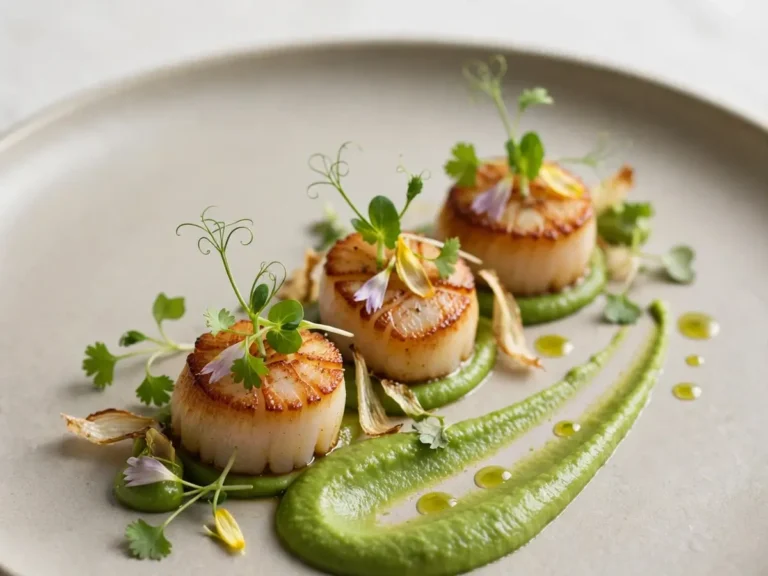
| Scallops | Large, dry-packed | Direct, high | 2–3 min per side | Opaque center, 50–52°C / 122–125°F |
For shrimp skewers, toss 450 g (1 lb) peeled shrimp with 2 tablespoons olive oil, 1 teaspoon smoked paprika, ½ teaspoon salt, and 1 minced garlic clove; thread onto soaked skewers and grill 4–6 minutes total, turning once.
Vegetables and Fruit
Vegetables need a hot, oiled grate and a light coating of oil — about 1 tablespoon per 450 g (1 lb). Dense vegetables benefit from a brief blanch or a head start over indirect heat.
- Corn on the cob: direct, medium-high, 10–12 minutes with the lid closed, turning every 3 minutes.
- Asparagus (thick spears): direct, medium-high, 4–6 minutes, turning once.
- Bell peppers and zucchini (halved or in 1 cm planks): direct, medium, 4–5 minutes per side.
- Whole sweet potatoes: indirect, medium (190°C / 375°F), 45–60 minutes until a skewer slides in easily.
- Portobello mushrooms: gill side up over direct medium heat, 5 minutes, then flip and grill 4–5 minutes more.
- Peaches and pineapple: direct, medium-high, 3–4 minutes per side, brushed with 1 tablespoon honey mixed with 1 tablespoon melted butter.
Putting the Cheat Sheet to Work: A Complete Mixed Grill
This menu uses the tables above in a single session: a two-zone fire feeds chicken thighs, corn, and zucchini, with skewered shrimp added at the end. It is a practical way to test your setup before a larger cookout. Serves 4.
Ingredients: 8 bone-in chicken thighs (about 1.4 kg / 3 lb), 450 g (1 lb) large shrimp, 4 ears corn, 2 medium zucchini cut into 1 cm planks, 60 ml (¼ cup) olive oil, 2 teaspoons fine salt, 1 teaspoon black pepper, 1 tablespoon smoked paprika, 2 garlic cloves minced, 1 lemon halved, and 2 tablespoons chopped parsley.
Steps:
- Set up a two-zone grill and heat to medium (175–200°C / 350–400°F) on the indirect side, with the direct side at medium-high.
- Pat the chicken thighs dry. Rub with 2 tablespoons of the olive oil, 1 teaspoon salt, ½ teaspoon pepper, and the smoked paprika. Let sit at room temperature for 20 minutes.
- Place the thighs skin-side up over indirect heat, close the lid, and cook 25 minutes.
- Meanwhile, shuck the corn, brush with 1 tablespoon olive oil, and season with ¼ teaspoon salt. Toss the zucchini with 1 tablespoon oil and ¼ teaspoon salt.
- After 25 minutes, move the thighs skin-side down over direct heat for 4–5 minutes to crisp, then return to indirect heat until they reach 80°C (175°F), about 10–15 minutes more.
- Add the corn to direct heat, turning every 3 minutes for 10–12 minutes, and the zucchini planks for 4–5 minutes per side. Move both to indirect heat as they finish.
- Toss the shrimp with the remaining 2 tablespoons oil, ½ teaspoon salt, ¼ teaspoon pepper, and the garlic; thread onto skewers and grill over direct heat 2–3 minutes per side.
- Grill the lemon halves cut-side down for 2 minutes. Rest the chicken 5 minutes, squeeze the lemon over everything, and scatter with parsley.
Storage: Refrigerate leftovers in a sealed container for up to 3 days; reheat chicken and corn to steaming, and eat shrimp cold or reheated once only. Do not refreeze thawed shrimp.
Practical Tips and Substitutions
- No thermometer? Buy one — it is the single best grilling investment. As a rough backup, juices should run clear for poultry and fish should flake, but treat these as fallbacks, not standards.
- Swap charcoal for gas or vice versa: keep the zone layout identical; gas responds faster, so begin checking food 2–3 minutes earlier than the charcoal times above.
- Windy or cold weather: add 10–20% to all indirect times and keep the lid down.
- Sugar-based sauces: brush on only in the final 5 minutes; earlier application burns before the food is cooked.
- Salt timing: dry-brine poultry and pork overnight uncovered in the fridge for crisper skin; skip the overnight step for fish and vegetables.
- Resting: foil-tent large cuts for 10 minutes; small items need only 3–5 minutes.
Frequently Asked Questions
What is the difference between direct and indirect grilling, and when should I use each?
Direct grilling places food over the heat source and is best for thin cuts that cook in under about 20 minutes — steaks, chops, burgers, skewers, and vegetables. Indirect grilling places food beside the heat with the lid closed, creating an oven-like environment for thicker cuts, whole chickens, ribs, and roasts that would otherwise burn outside before cooking through. Many recipes combine the two: sear over direct heat, then finish over indirect.
How accurate are grilling times if I use a different grill than the recipe assumes?
Times are planning windows, not guarantees. Gas grills heat faster and hold steadier temperatures than charcoal, and wind, altitude, and lid use all shift results. Start checking food 2–3 minutes before the earliest time listed, and rely on the internal temperature targets — for example, 74°C (165°F) for poultry and 63°C (145°F) with a short rest for pork — as the final word.
Can I prepare food ahead and grill later?
Yes, with care. Dry-brine poultry and pork uncovered in the refrigerator up to 24 hours ahead, and marinate beef or chicken in the fridge for 2–12 hours (discard used marinade). Skewer vegetables and shrimp up to 4 hours ahead and refrigerate. Bring thick cuts to room temperature for 20–30 minutes before grilling so they cook evenly, and never leave raw meat out longer than that.
How should I store and reheat grilled leftovers?
Cool leftovers within 2 hours of cooking, then refrigerate in shallow sealed containers for up to 3 days. Reheat poultry, pork, and beef to steaming (74°C / 165°F is the safe target for poultry) and eat seafood cold or reheated once. Grilled vegetables keep 3–4 days. Discard anything that sat out longer than 2 hours, and do not refreeze seafood or poultry that was previously frozen and thawed.
What can I substitute if I do not have a chimney starter or instant-read thermometer?
Without a chimney, build a pyramid of charcoal and light it with paraffin cubes, waiting 15–20 minutes for gray ash. Without a thermometer, use the palm-count heat test for the grill and visual cues for food, but recognize these are estimates — checking a few cuts early and keeping notes on your own grill will quickly build reliable personal timing. For a relaxed weekend cooking project between grilling sessions, the Cuisinebite blog has more kitchen ideas to explore.