Creamy Shrimp Pasta
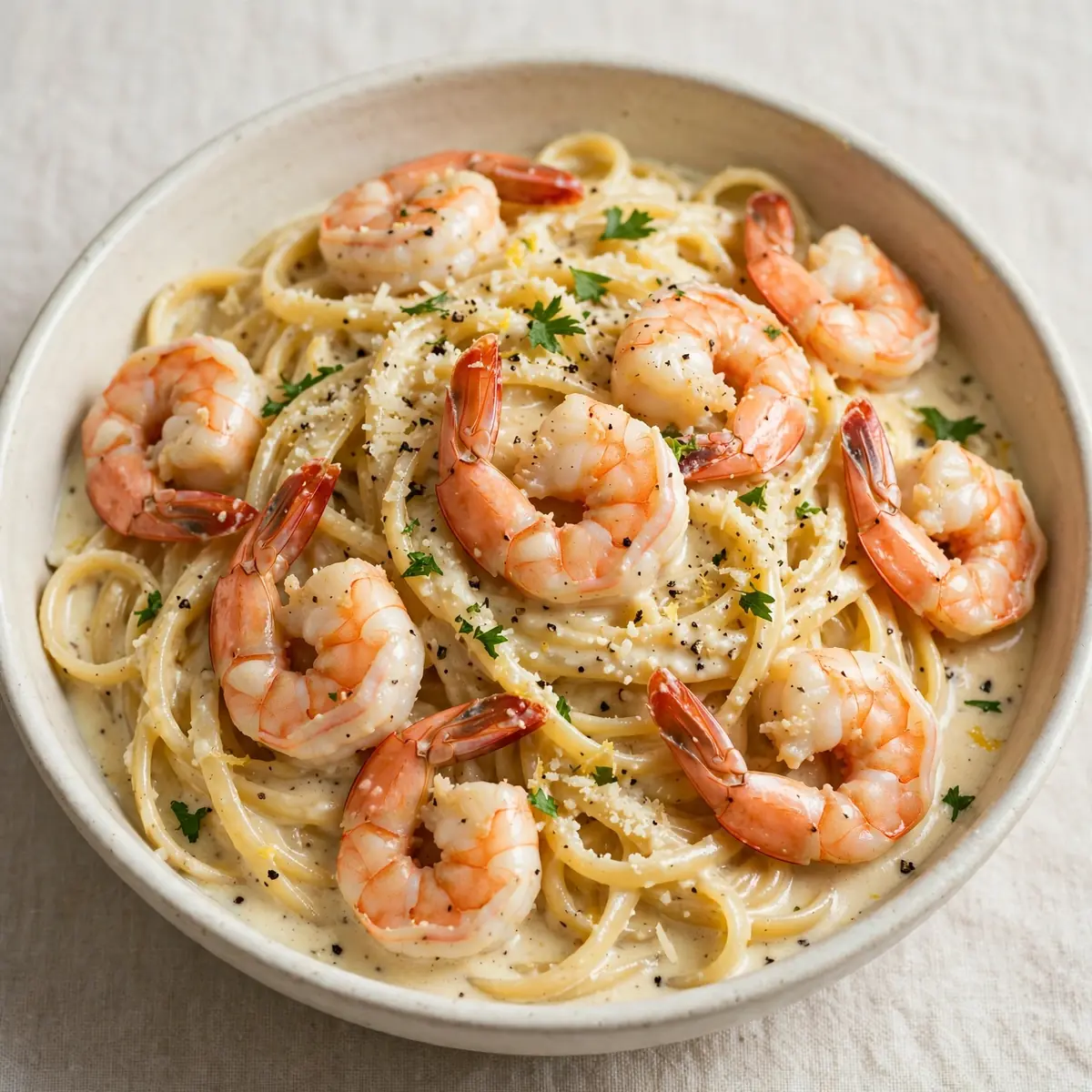
I don’t know about your house, but in mine, the gap between walking through the door after a long day and getting dinner on the table often feels like a high-speed race I’m losing. That’s why this creamy shrimp pasta became my secret weapon—it’s the one recipe that turns a frantic scramble into a calm, satisfying finish in about 20 minutes flat.
Recipe Overview
- Prep Time: 10 minutes
- Cook Time: 12 minutes
- Total Time: 22 minutes
- Servings: 4
- Difficulty: Easy
Why You’ll Love This Creamy Shrimp Pasta
- One-Pan Speed: The sauce comes together in the same pan where you sear the shrimp, meaning fewer dishes to wash and a meal that’s ready before the kids finish setting the table.
- Make-Ahead Friendly: You can prep the shrimp, grate the cheese, and measure the stock hours in advance, so dinner is just a quick assembly job when you need it.
- No Heavy Cream Needed: The sauce gets its luxurious texture from a simple combination of pasta water, stock, and Parmesan—lighter on the stomach but still deeply satisfying.
- Kid-Approved Flavour: The garlic and lemon are gentle enough for little palates, while the creamy coating makes even the pickiest eaters ask for seconds.
- Budget-Conscious: Frozen shrimp work beautifully here, and you only need a handful of pantry staples, making this a brilliant option for a midweek meal that won’t break the bank.
Ingredients You’ll Need
- 300g dried linguine or spaghetti
- 400g raw peeled shrimp (prawns), thawed if frozen
- 3 tablespoons olive oil
- 4 cloves garlic, finely minced
- 1 small onion, finely diced
- 250ml chicken or vegetable stock
- 120ml reserved pasta cooking water
- 60g grated Parmesan cheese, plus extra for serving
- Juice of 1 lemon
- Zest of ½ lemon
- 30g unsalted butter
- ½ teaspoon salt
- ¼ teaspoon black pepper
- 2 tablespoons fresh parsley, chopped
Tip: Buy raw shrimp with the shells on if you can. Peeling them yourself takes five minutes, but the shells can be simmered in the stock for a few minutes to add a deeper seafood flavour to the sauce. Discard the shells before adding the liquid to the pan.
Equipment You’ll Need
- Large pot for boiling pasta
- Colander
- Large frying pan or skillet (at least 28cm diameter)
- Tongs or a pasta fork
- Measuring jug
- Grater for the Parmesan
How to Make Creamy Shrimp Pasta
- Start the pasta water. Fill your large pot with water, add a generous pinch of salt, and bring it to a rolling boil. Drop in the linguine and cook according to the packet instructions until al dente—usually about 9 to 10 minutes. About two minutes before the pasta is ready, scoop out 120ml of the starchy water with a measuring jug and set it aside. The water should look cloudy and feel slightly viscous between your fingers; that starch is what helps the sauce cling to every strand.
- Season and sear the shrimp. While the pasta boils, pat the shrimp dry with kitchen paper. Toss them with ¼ teaspoon of salt and a pinch of black pepper. Heat 1 tablespoon of olive oil in your large frying pan over a medium-high flame. When the oil shimmers and a single shrimp sizzles on contact, lay the rest in a single layer. Cook for 90 seconds on the first side until the edges turn pink and opaque, then flip and cook for another 60 seconds. The shrimp should be curled slightly and feel firm to the touch. Transfer them to a clean plate—don’t wipe the pan.
- Sweat the aromatics. Reduce the heat to medium and add the remaining 2 tablespoons of olive oil to the same pan. Tip in the diced onion and cook, stirring often, until it turns translucent and smells sweet—about 3 minutes. Add the minced garlic and cook for another 30 seconds, just until you can smell it strongly. If the garlic starts to brown, the pan is too hot; pull it off the heat for a few seconds.
- Build the creamy base. Pour the chicken or vegetable stock into the pan, scraping up any browned bits from the bottom with a wooden spoon. Let it bubble and reduce by half—this takes about 3 minutes. The liquid should look slightly thickened and smell deeply savoury. Stir in the reserved pasta water, then add the butter and let it melt, swirling the pan gently. The sauce will look thin now, but it will thicken in the next step.
- Emulsify with cheese and lemon. Remove the pan from the heat. Add the grated Parmesan in three batches, stirring vigorously after each addition until the cheese is fully melted and the sauce looks silky and pale gold. Squeeze in the lemon juice and sprinkle the zest over the top, then stir once more. The sauce should coat the back of a spoon and have a glossy sheen.
- Combine pasta and shrimp. Drain the linguine (don’t rinse it—you want the starch on the surface) and add it directly to the sauce pan. Use tongs to toss the pasta thoroughly, lifting and turning until every strand is coated in the creamy mixture. The sauce will cling to the pasta rather than pooling at the bottom of the pan. Gently fold in the cooked shrimp, taking care not to break them up. Taste and adjust salt and pepper if needed.
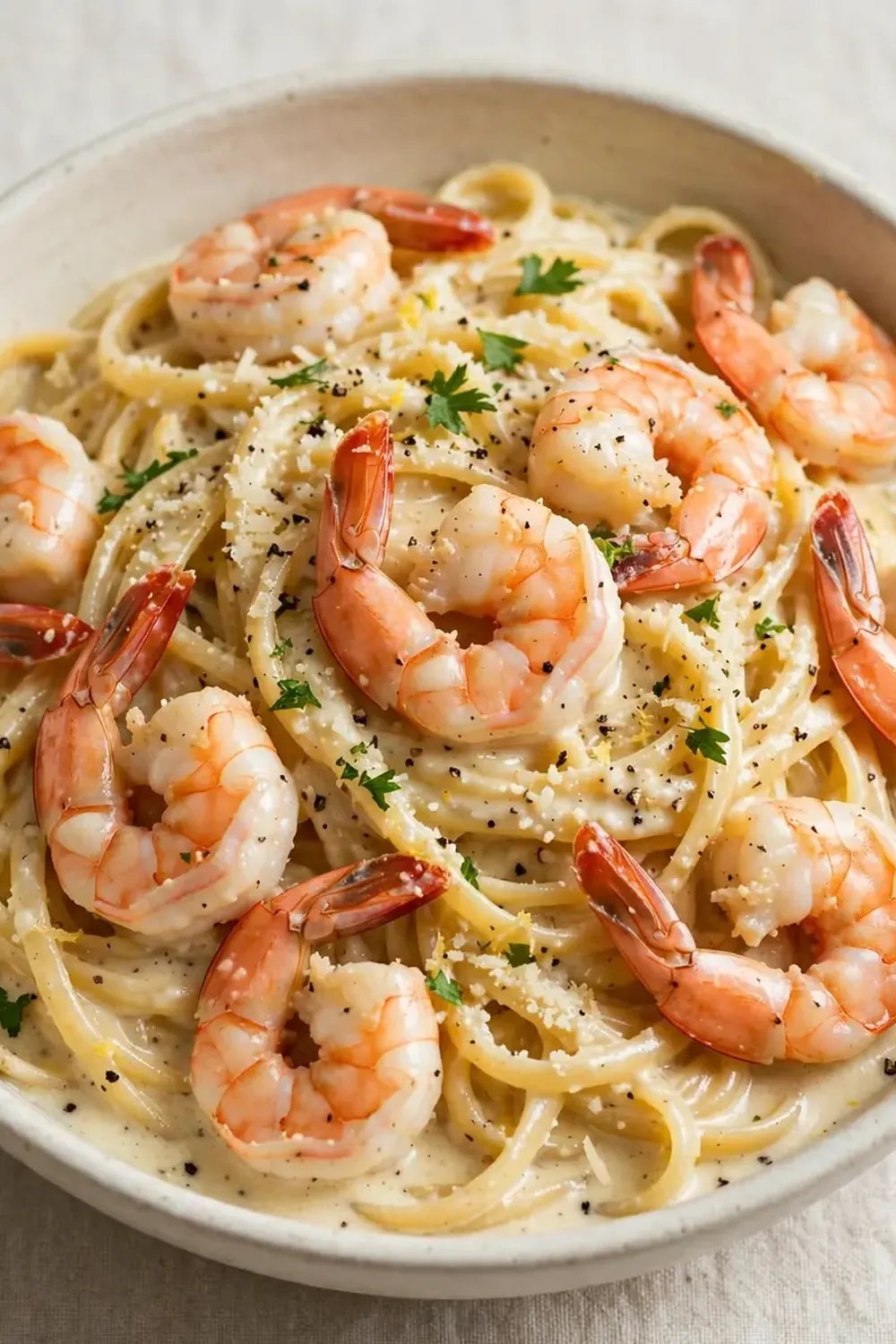
- Serve immediately. Divide the pasta among warm bowls, scatter the chopped parsley over the top, and pass extra Parmesan at the table. The dish should look glossy and inviting, with the shrimp peeking out from the creamy linguine and the lemon zest adding little flecks of brightness.
Tips From My Kitchen
- Reserve pasta water early. I used to forget to scoop it out until after I’d drained the pasta, and then I’d be left scrambling. Set a timer for two minutes before the pasta is due to finish cooking, and grab that water while you can. The starch in it is the secret to a creamy sauce without needing a carton of double cream. If you forget, you can stir a teaspoon of cornflour into a splash of stock as a backup, but the pasta water works best.
- Don’t overcrowd the shrimp. If you pile the shrimp into the pan all at once, they’ll steam rather than sear, and you’ll lose that lovely browned flavour. I learned this the hard way after serving pale, rubbery shrimp one Tuesday. Cook them in a single layer with space between each one, and if you’re doubling the recipe, sear them in two batches. The reward is a golden crust and a tender interior.
- Grate your own Parmesan. Pre-grated cheese from a bag is coated in anti-caking agents that stop it from melting smoothly into the sauce. I stumbled upon this combination by accident when I ran out of the bagged stuff and had to grate a block I’d forgotten about. The difference was night and day—the sauce turned silky instead of grainy. Take two minutes to grate a block of Parmesan; your dinner will thank you.
- Prep everything before you turn on the heat. This dish moves fast once you start cooking—there’s no time to hunt for the lemon or chop parsley mid-step. I used to struggle with this dish until I discovered this technique: measure the stock, grate the cheese, mince the garlic, and chop the onion all before you even boil the water. Line them up on the counter in the order you’ll use them. This small habit shaves five minutes off the total cooking time and keeps the process stress-free.
- Adjust the sauce consistency before serving. After you toss the pasta, the sauce will continue to thicken as it sits. If it looks too tight, add a splash of the remaining pasta water or a little more stock. If it’s too thin, let it simmer for an extra minute while tossing constantly. The perfect texture is one where the sauce clings to the pasta but still flows slightly when you lift a forkful—it should never look dry or claggy.
Delicious Variations to Try
- Spicy Version: Add ½ teaspoon of red pepper flakes along with the garlic, and finish the dish with a drizzle of chilli oil before serving. The heat cuts through the creamy sauce beautifully and gives the dish a lovely warmth without overwhelming the shrimp.
- Vegetarian/Vegan Option: Omit the shrimp and double the amount of mushrooms—use a mix of chestnut and shiitake, sliced thickly and seared until golden. For a vegan version, swap the butter for a plant-based alternative, use nutritional yeast in place of Parmesan, and choose a good-quality vegetable stock.
- Different Protein: Diced chicken breast works wonderfully here. Cook it in the same way as the shrimp, allowing about 6 minutes per side until golden and cooked through. You can also use firm white fish fillets, cut into chunks, for a lighter variation that pairs beautifully with the lemon and garlic.
What to Serve With Creamy Shrimp Pasta
- A crisp green salad dressed with a simple lemon vinaigrette to balance the richness of the pasta.
- Garlic bread or crusty baguette slices for mopping up any leftover sauce from the bowl.
- Steamed green beans or asparagus spears tossed with a little butter and salt for a quick vegetable side.
Still hungry for ideas? You might also love The Ultimate Creamy Cajun Shrimp Pasta Recipe, Marry Me Shrimp Pasta Recipe from our sister kitchens.
Frequently Asked Questions
Creamy Shrimp Pasta
Ingredients
Method
- Start the pasta water. Fill your large pot with water, add a generous pinch of salt, and bring it to a rolling boil. Drop in the linguine and cook according to the packet instructions until al dente—usually about 9 to 10 minutes. About two minutes before the pasta is ready, scoop out 120ml of the starchy water with a measuring jug and set it aside. The water should look cloudy and feel slightly viscous between your fingers; that starch is what helps the sauce cling to every strand.
- Season and sear the shrimp. While the pasta boils, pat the shrimp dry with kitchen paper. Toss them with ¼ teaspoon of salt and a pinch of black pepper. Heat 1 tablespoon of olive oil in your large frying pan over a medium-high flame. When the oil shimmers and a single shrimp sizzles on contact, lay the rest in a single layer. Cook for 90 seconds on the first side until the edges turn pink and opaque, then flip and cook for another 60 seconds. The shrimp should be curled slightly and feel firm to the touch. Transfer them to a clean plate—don’t wipe the pan.
- Sweat the aromatics. Reduce the heat to medium and add the remaining 2 tablespoons of olive oil to the same pan. Tip in the diced onion and cook, stirring often, until it turns translucent and smells sweet—about 3 minutes. Add the minced garlic and cook for another 30 seconds, just until you can smell it strongly. If the garlic starts to brown, the pan is too hot; pull it off the heat for a few seconds.
- Build the creamy base. Pour the chicken or vegetable stock into the pan, scraping up any browned bits from the bottom with a wooden spoon. Let it bubble and reduce by half—this takes about 3 minutes. The liquid should look slightly thickened and smell deeply savoury. Stir in the reserved pasta water, then add the butter and let it melt, swirling the pan gently. The sauce will look thin now, but it will thicken in the next step.
- Emulsify with cheese and lemon. Remove the pan from the heat. Add the grated Parmesan in three batches, stirring vigorously after each addition until the cheese is fully melted and the sauce looks silky and pale gold. Squeeze in the lemon juice and sprinkle the zest over the top, then stir once more. The sauce should coat the back of a spoon and have a glossy sheen.
- Combine pasta and shrimp. Drain the linguine (don’t rinse it—you want the starch on the surface) and add it directly to the sauce pan. Use tongs to toss the pasta thoroughly, lifting and turning until every strand is coated in the creamy mixture. The sauce will cling to the pasta rather than pooling at the bottom of the pan. Gently fold in the cooked shrimp, taking care not to break them up. Taste and adjust salt and pepper if needed.
- Serve immediately. Divide the pasta among warm bowls, scatter the chopped parsley over the top, and pass extra Parmesan at the table. The dish should look glossy and inviting, with the shrimp peeking out from the creamy linguine and the lemon zest adding little flecks of brightness.
Notes
I’d love to hear how this creamy shrimp pasta turns out in your kitchen. Drop a comment below and tell me if your family loved it as much as mine does—or if you tried one of the variations and made it your own. Happy cooking!